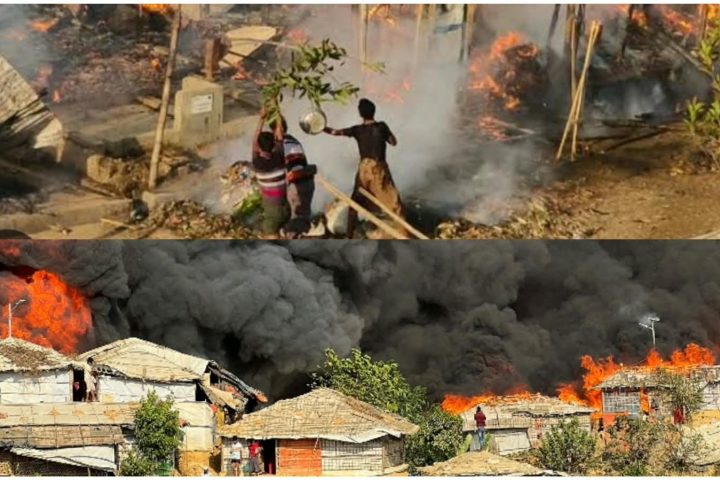

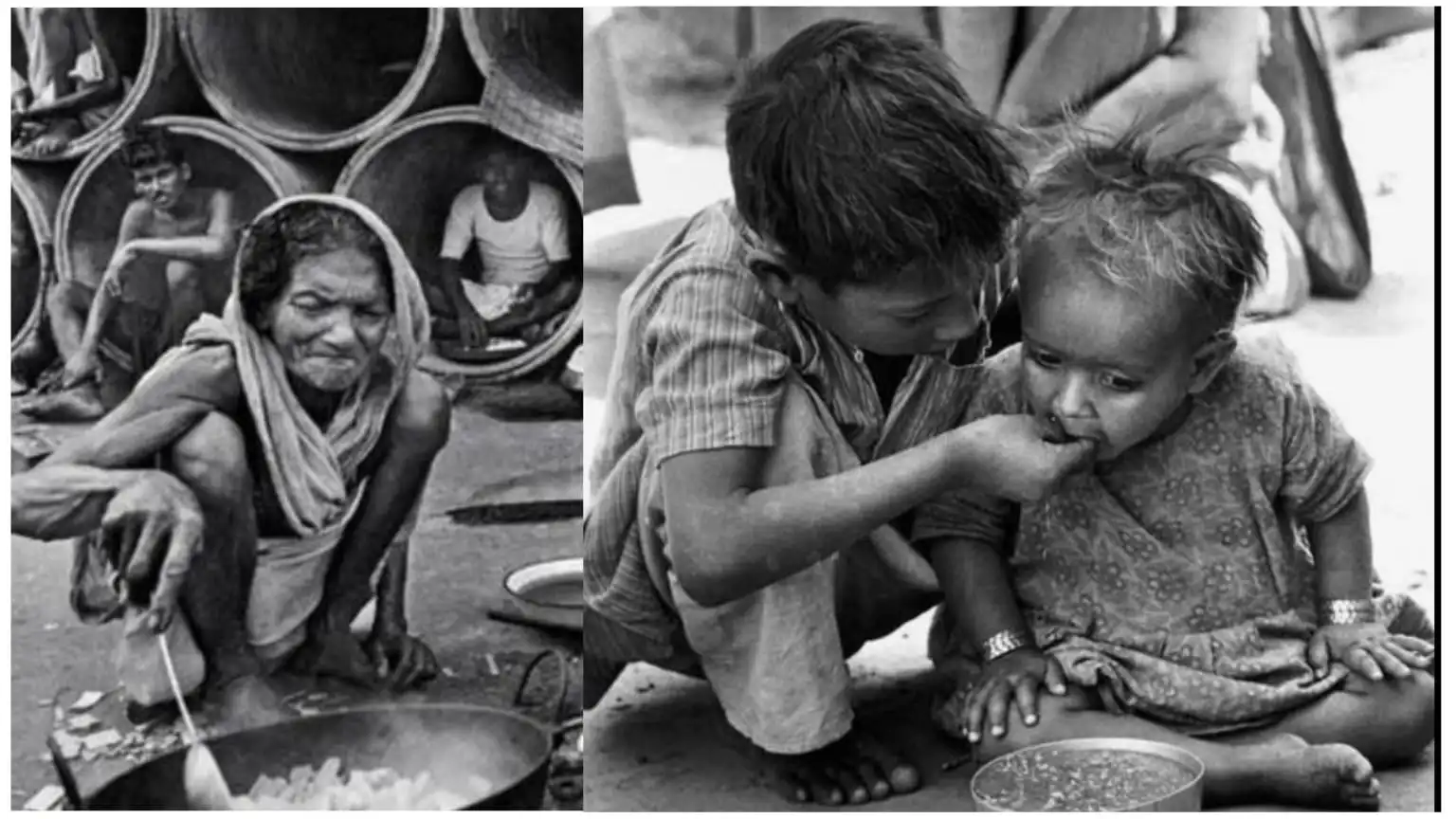
In the crowded camps of Cox’s Bazar in Bangladesh, a plate of rice and lentils is no longer a simple meal. For many Rohingya families, it is close to the only meal they can count on. As the crisis enters its tenth year, the Integrated Food Security Phase Classification estimates that 35% of Rohingya are now facing crisis levels of hunger or worse, up from 30% a year earlier.
A Diet Built on Very Little
Refugees in the camps cannot work, so they depend almost entirely on aid. Each person gets a monthly ration of mostly rice, lentils and oil, with a small amount of meat and almost no fresh fruit or vegetables. In recent years that ration has shrunk to food worth just $7 to $12 a month.
The gap shows up in children’s health. Nearly one in three Rohingya children under five suffers from malnutrition.
How the Cuts Piled Up
The squeeze did not happen overnight. In 2023, the World Food Programme cut rations twice because of a global funding shortage. The monthly value fell from $12 to $10 in March and then to $8 in June, which works out to about 27 cents a day. Within months, 90 percent of the camp population struggled to get an adequate diet, and more than 15 percent of children were malnourished, the highest rate on record.
Rations were later raised, but the relief did not last. In 2025, plans to halve rations to just $6 a month raised fresh alarm among aid groups. That same year, Islamic Relief reported at least a 27% rise in severe acute malnutrition, with many people living on less than 1,000 calories a day. More refugees were arriving too. About 160,000 people fled escalating violence in Myanmar from late 2024.
What a Family Actually Eats
Aid workers and families describe the same pattern. One advocacy group estimates that $7 buys only about 13 kilograms of rice and roughly a litre of cooking oil in camp markets, leaving little room for protein, vegetables or spices.
A refugee interviewed by Doctors Without Borders (MSF) in June 2026 said his family of nine now eats rice with dried fish or wild greens gathered nearby. He recalled that when the ration was larger, the family got far more rice, plus lentils and other staples.
Another father, Abdu Shukkur, saw his family’s supplies run out in just 18 days. He borrowed money and slipped out of the camp through a gap in the barbed wire to buy more rice and lentils for his eight children. His story shows how families take risks to bridge the gap.
Why Lentils Are Not Always the Answer
Lentils are a good source of protein, but food habits matter. In the MSF testimonies, one refugee said the ration system provides lentils, but his community prefers fish. A nutrition study in the camps also found that caregivers rejected a rice and lentil dish for young children because they believed it caused diarrhoea. So even when lentils are available, they do not always reach the children who need them most.
Children Carry the Heaviest Burden
Children make up more than half of the refugee population. Save the Children warned in August 2026 that 35% of Rohingya refugees are expected to face crisis or emergency hunger levels this year. One aid group predicts that about 10 per cent of refugees will fall into the emergency phase by year-end. At nutrition centres, Concern saw a 14% rise in severe and moderate acute malnutrition cases in 2025.
A Note of Caution on the Data
The picture is not simple. WFP says that even its lowest level of assistance is meant to meet minimum food needs, and one analyst warned against blaming every case of child labour, child marriage or malnutrition on the latest food changes. Still, most aid groups agree that rising need and falling funding are a dangerous mix.
What Needs to Happen Next
Families in Cox’s Bazar are asking for something basic: enough food, and enough variety, to get through the month. Aid agencies are calling for steady funding so rations can stay stable, along with more nutrition support and small garden projects inside the camps. Without that, rice and lentils will remain the only meal on the table for more than a million people.
Discover Rohingya Crisis, Bangladesh & International Support
Q1. Why has the Rohingya return to Myanmar remained such a difficult challenge?
From security concerns to conditions in Myanmar, explore the major hurdles standing in the way of Rohingya repatriation.
Q2. What happens when food shortages and climate risks collide in Rohingya camps?
Explore how hunger, climate pressures and ration cuts are adding to the hardships faced by Rohingya refugees in Bangladesh.
Q3. How is the UAE supporting Rohingya refugees in Bangladesh?
From humanitarian assistance to refugee support, discover the UAE’s role in helping Rohingya communities facing a prolonged crisis.
Q4. Why are Rohingya refugees turning to bank accounts and formal financial channels in Bangladesh?
Take a closer look at Rohingya banking access, financial transactions and the concerns surrounding hundi networks.
Q5. What could Tarique Rahman’s UNGA visit mean for Bangladesh’s international messaging?
Explore the key focus and diplomatic significance of Tarique Rahman’s UNGA visit as Bangladesh engages with the wider international community.