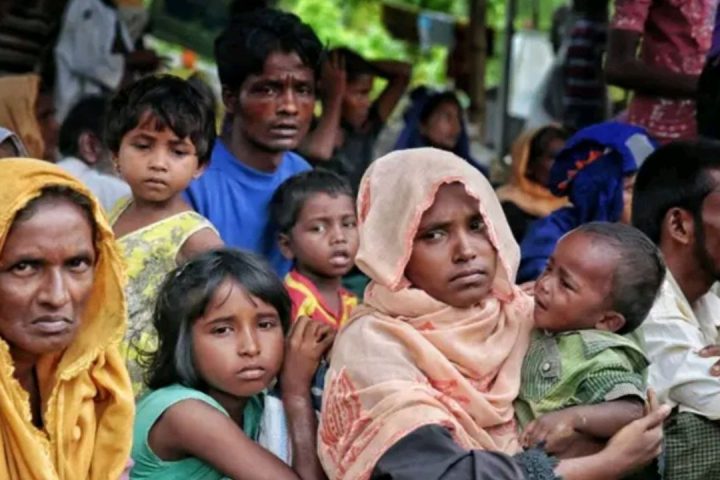
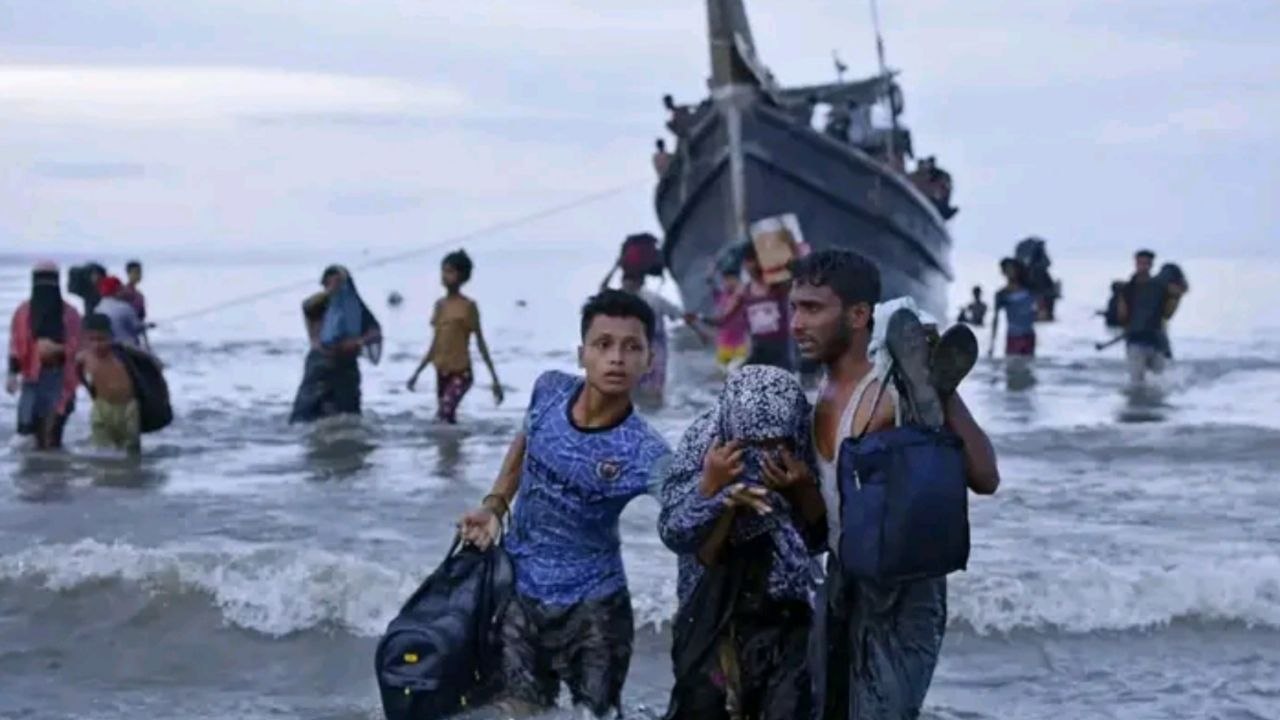
The Rohingya crisis has changed shape. Nine years after the 2017 military crackdown, more than 1.2 million Rohingya still live in Bangladesh, and the path home has become more complicated.
A New Power in Rakhine
The old plan assumed Myanmar’s military would control the areas of return. That is no longer true. Rakhine has become one of the main fronts of Myanmar’s civil war, and the Arakan Army (AA) now holds almost all the areas where the Rohingya once lived. It also took control of the entire border with Bangladesh in December 2024. Any return now depends on the AA as much as on the government in Naypyidaw.
Safety Concerns Remain
The United Nations says conditions in Rakhine are not yet right for voluntary, safe, dignified and sustainable repatriation. The AA has also been accused of abuses against Rohingya in areas it controls since 2024. Analysts note that the group has given no sign it is ready to receive returnees.
Slow Verification
Bangladesh has sent data on 829,036 Rohingya to Myanmar in six phases. Myanmar has verified 393,503 and officially recognised 283,086 as people who previously lived in the country, according to the foreign minister. Verification is meant to be the basis for return, but the process is slow and citizenship questions remain.
Discover More Stories Worth Your Time
Explore How To Buy Match Tickets?
Discover the easiest steps to secure cricket match tickets in Bangladesh.
Check Where Monsoon Travel Works?
Explore the best places to visit and areas to avoid during Bangladesh’s rainy season.
See Why India Visit Uncertain?
Discover how the Hasina extradition and Hadi murder case could affect Tarique Rahman’s India trip.
Find What Story Comes Next?
Explore what Tanim Noor may bring after Utsab and Bonolota Express.
Learn Why Saudi Invitation Matters?
Discover what the Saudi Crown Prince’s invitation could mean for Tarique Rahman’s upcoming visit.
Different Approaches
Malaysia and Myanmar have discussed returning up to 5,000 Rohingya, though the groups and procedures are unclear and Myanmar says it concerns people with verified nationality. Bangladesh wants a wider process, with an end to violence, legal guarantees, humanitarian funding and international involvement.
Dhaka Talks to Both Sides
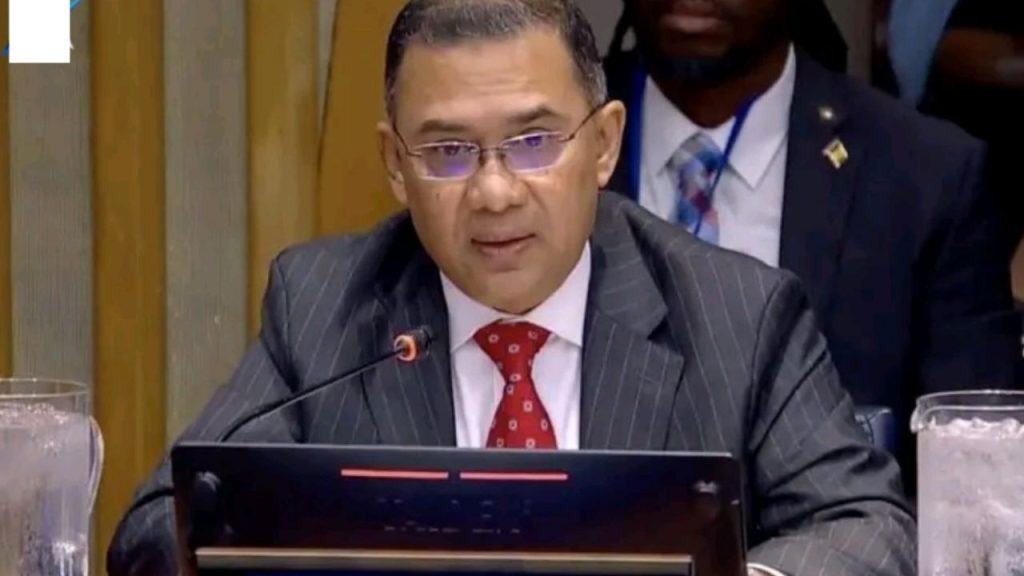
Foreign Minister Khalilur Rahman has said Dhaka is working to build dialogue between Myanmar and the AA, and that return depends on security in Rakhine. Reports say Bangladesh already has contact with the AA, while balancing concerns about rights abuses.
Without safety, citizenship rights and funding, large-scale return looks unlikely soon. Camp populations will need long-term support.