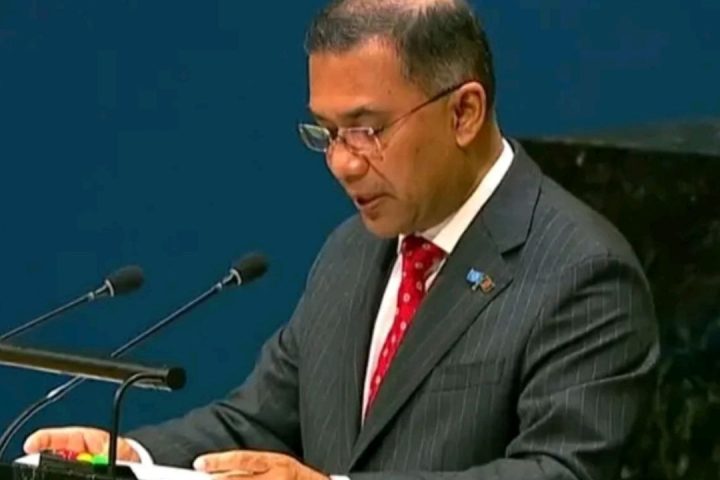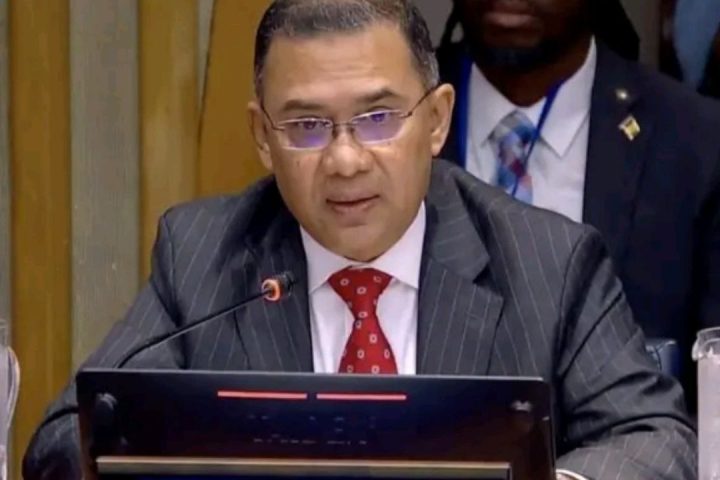
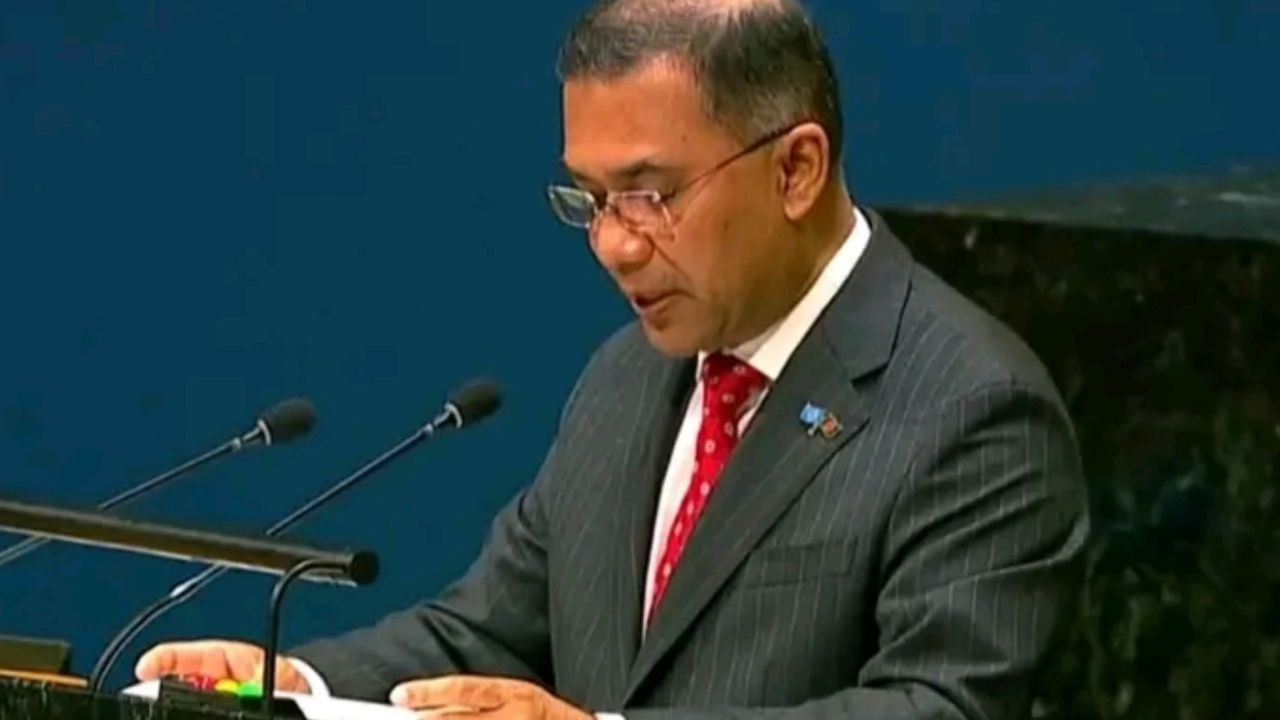
Bangladesh Prime Minister Tarique Rahman’s five-day visit to New York for the 81st UN General Assembly (UNGA) marked a historic moment for both his country and his family, combining his maiden UN address with a packed schedule of climate diplomacy, Rohingya advocacy and bilateral meetings. Here are the key highlights from the visit.
A Historic First Address
Rahman delivered his 21-minute speech in Bengali on September 24-25, becoming the third member of his immediate family to address the UN General Assembly, following his father, President Ziaur Rahman, in 1980, and his mother, Prime Minister Khaleda Zia, in 1993. Calling the moment “somewhat nostalgic,” he told delegates he stood there to speak for his country’s interests and for a peaceful world community.
The 3-R Strategy
Rahman used the address to outline his government’s “Recovery, Restoration and Reconstruction” strategy, framing it as the path to Bangladesh’s democratic and economic transformation following the 2024 uprising and the BNP’s return to power after February 2026’s election. He described the previous period of governance as authoritarian and positioned his administration as steering the country back toward genuine electoral democracy, alongside economic democratisation through welfare schemes like the Family Card, Farmers’ Card and e-Health Card.
Push For Rohingya Repatriation
The Rohingya crisis featured prominently across Rahman’s UN engagements. On September 23, he joined a high-level event on the issue, highlighting the international funding shortfall affecting more than 1.2 million displaced people currently sheltering in Bangladesh, and pressed for stronger global cooperation to secure their safe, voluntary and dignified return to Myanmar.
Climate Action And Sea-Level Rise
Climate diplomacy formed another major pillar of the visit. Rahman took part in a high-level meeting on climate action and just transition, and delivered opening remarks at a separate session on the existential threats posed by sea-level rise, using both platforms to press for climate finance, adaptation support, technology transfer, and measures to address loss and damage as a climate-vulnerable nation.
Women’s Empowerment And Democracy
In his address, Rahman emphasised women’s empowerment, noting that women make up more than half of Bangladesh’s population and outlining government initiatives including free education up to the undergraduate level and expanded financing access for women entrepreneurs. He also reaffirmed Bangladesh’s commitment to multilateralism, citing its role as Vice-Chair of the UN Peacebuilding Commission and the contributions of Bangladeshi peacekeepers worldwide.
Calls For Palestinian Statehood
Rahman reiterated Bangladesh’s long-standing demand for an independent Palestinian state, framing it as a matter of global equal dignity, according to BNP leaders who characterised the broader speech as a call for diplomacy and humanity over conflict.
Discover More Stories Worth Your Time
Looking for a Family Trip Before Eid?
Discover five budget-friendly weekend getaways near Dhaka for a relaxing holiday.
What Are the Top Eid Fashion Trends This Year?
Explore the latest outfit styles and fashion ideas to upgrade your Eid look.
Who Are Bangladesh’s Richest Cricketers?
See the top five stars, their estimated net worth, and successful business ventures.
Is Your Electricity Meter Overcharging You?
Learn the warning signs of a faulty meter and how to report billing issues.
How Can You Get the Tk 10 Lakh Student Loan?
Find out the eligibility, application process, and benefits of the government education loan scheme.
Bilateral Engagements
Beyond the podium, Rahman’s schedule included a welcome breakfast hosted by UN Secretary-General António Guterres, along with bilateral talks with Turkish President Recep Tayyip Erdoğan focused on expanding trade and investment cooperation between Bangladesh and Türkiye.
Why This Visit Matters
As Bangladesh’s Foreign Minister Khalilur Rahman also serves as President of the 81st General Assembly this year, officials described the country’s UNGA presence in 2026 as carrying special significance. For Rahman personally, the visit offered his first major platform to present his government’s vision to the world, just months after taking office, positioning Bangladesh’s democratic transition, climate vulnerabilities and Rohingya advocacy squarely on the global agenda.