
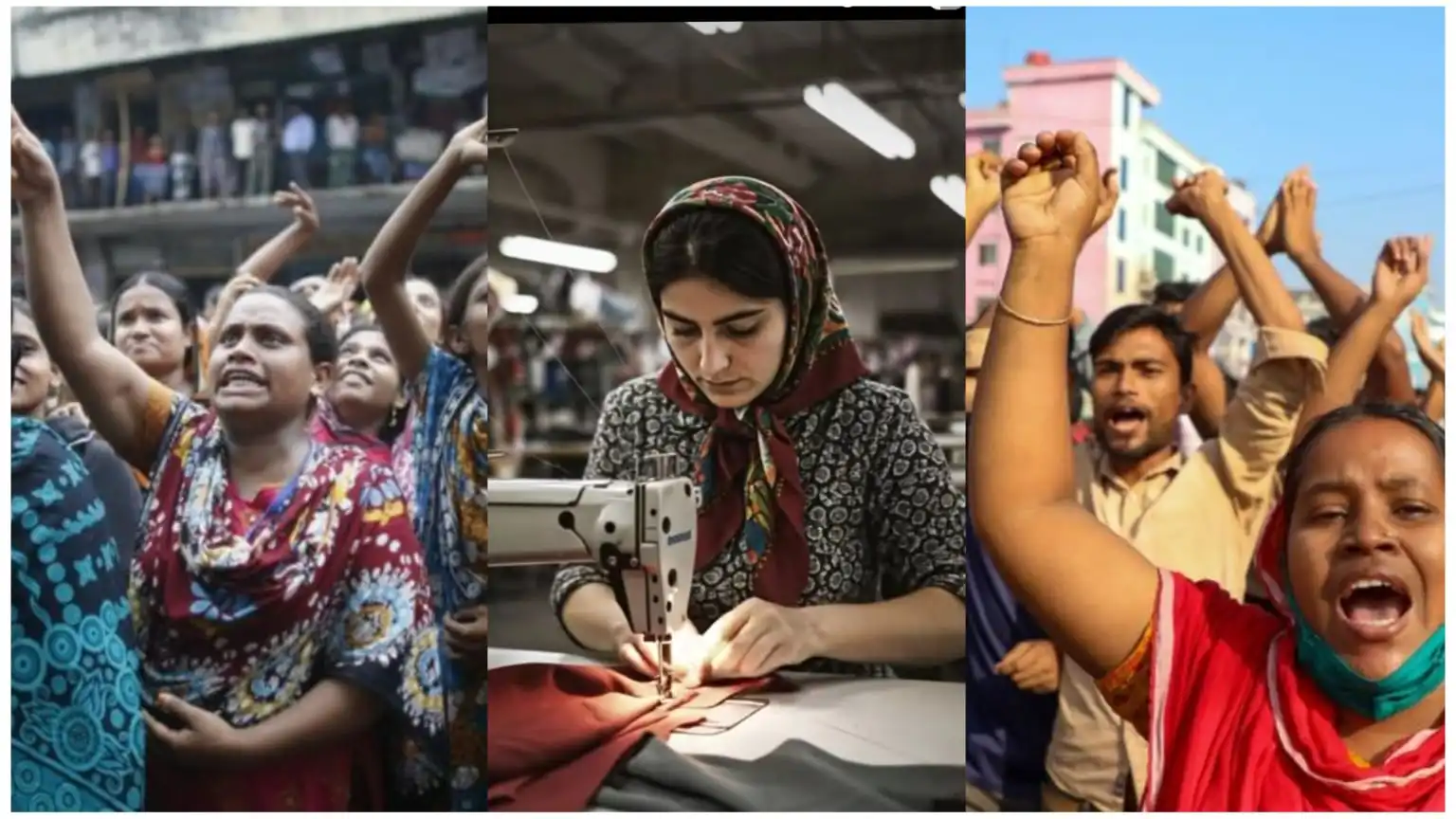
For commuters on the Dhaka-Tangail highway, Thursday started the way several mornings have this month. Around 8:30 am, workers from several garment factories gathered on the road in the Mouchak area of Kaliakair. Workers from nearby factories joined in, and traffic soon stopped, leaving long tailbacks stretching back from the Safipur section.
Local media reported that around 1,500 workers from six to eight factories were involved. Kaliakair police station’s officer-in-charge, Shahidul Islam, said officers were clearing the road, but that workers kept returning. After factories declared a holiday, police used sound grenades to push workers off the highway, and by about 11:30 a.m., traffic was moving again.
What the Workers Want
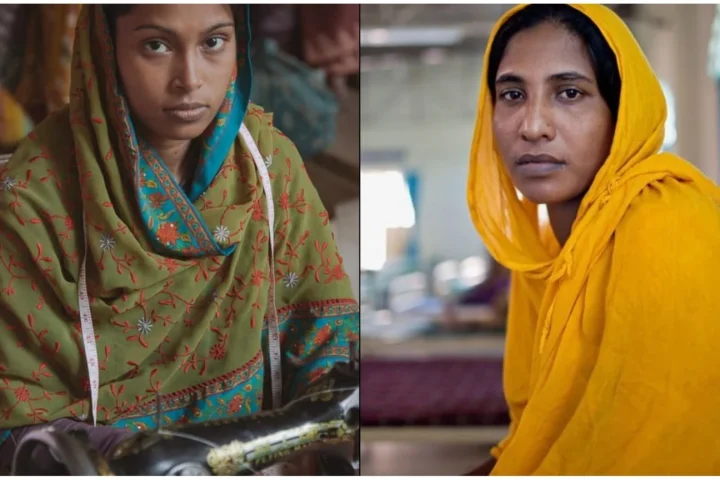
Their main demand is simple: raise the minimum monthly wage to Tk 30,000. Some reports also mention demands for implementing the existing minimum wage and meeting other conditions. Workers say that rising living costs leave their pay too low to cover rent, food and family expenses.
A Pattern Since 1 November
This week’s protest is part of a longer run. On Sunday 1 November, workers blocked roads at several points in Kaliakair, including Safipur Bazar, Chandra Palli Bidyut, Mouchak and Telichala. Workers from factories in the Ratanpur area joined in. According to police, protesters set fire to a police box on the highway in Konabari, and clashes broke out in several places. Traffic on the highway was disrupted for around six hours.
The blockade resumed on Monday, with about 1,000 workers on the road at Palli Bidyut according to Gazipur Industrial Police, and again on Tuesday. Reports from earlier in the month say Border Guard Bangladesh was deployed, tailbacks stretched at least 10km, and about 80 factories in Gazipur and Savar shut down at one stage. Protests also spread to Mirpur in Dhaka, where three metro stations were closed for hours, and the prime minister held a meeting on the unrest.
Police and Owners’ View
Police have said that some protesters were outsiders who joined workers on the road, a claim that is difficult to verify independently. Factory owners say the repeated stoppages disrupt production and deliveries, and they have grown worried about recurring unrest in the country’s major industrial belts. At a meeting on Wednesday, owners put forward 11 proposals to address the situation, though the reports do not spell out their content.
Who Else Pays the Price
The highway is a major route linking Dhaka with Gazipur, Mymensingh, Tangail and the north. When it is blocked, buses, trucks, ambulances and ordinary commuters are stranded, often for hours. Transport workers and small traders who depend on a day’s earnings lose income too. Rights groups have also raised concerns about the use of tear gas and water cannons and about detentions of workers in Gazipur.
A Familiar Cycle
Garment protests on this belt are not new. In November 2024, workers blocked the Dhaka-Mymensingh highway over unpaid wages, and commuters complained of the same long delays. Unpaid or delayed wages, wage levels, benefits and unionisation have fuelled anger in the sector for years.
What Comes Next
The sector earns most of Bangladesh’s export income, so both sides have a strong reason to find a settlement. Analysts generally say that lasting calm will depend on credible talks between workers’ representatives, owners and the government, and on clear, enforced wage rules. For now, the road is open, but with the demand unchanged, another blockade cannot be ruled out.