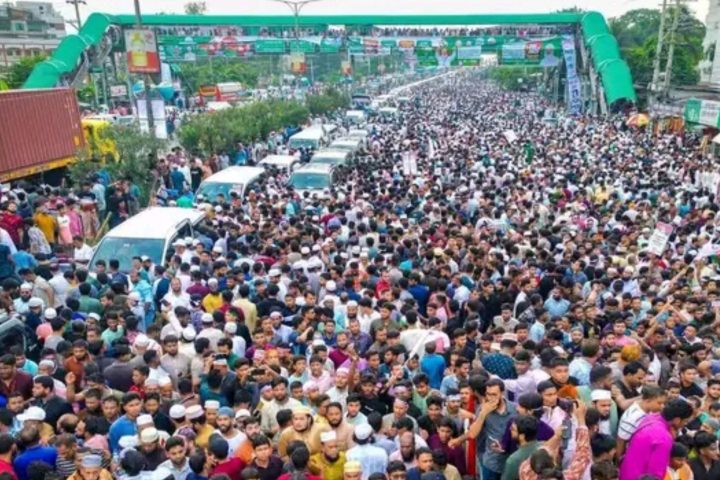

Bangladesh is facing one of its toughest labour standoffs in years. Garment workers are demanding a minimum wage of Tk 30,000 a month, more than double the current Tk 12,500 set in December 2023. The wage board announced on 4 November that it has agreed to a rise, but it has not yet said how much. The outcome will matter far beyond the factory floor.
Why Workers Are Back on the Streets
Workers say the cost of food, housing, transport and healthcare has eaten away at their purchasing power, with inflation running at about 8 per cent. Many say the 2023 wage no longer covers basic needs, even with the 9 per cent annual increment. A change to the Bangladesh Labour Act in April 2026 shortened the wage review cycle from five years to three, and unions have pushed hard for a new wage board ever since.
The Cost of the Shutdown
The unrest has been costly. According to the Bangladesh Garment Manufacturers and Exporters Association (BGMEA), 529 factories have shut down, leaving about 987,000 workers out of work across the main industrial hubs. The protests have turned violent in places, with police using tear gas and water cannons.
An Industry the Country Cannot Afford to Lose
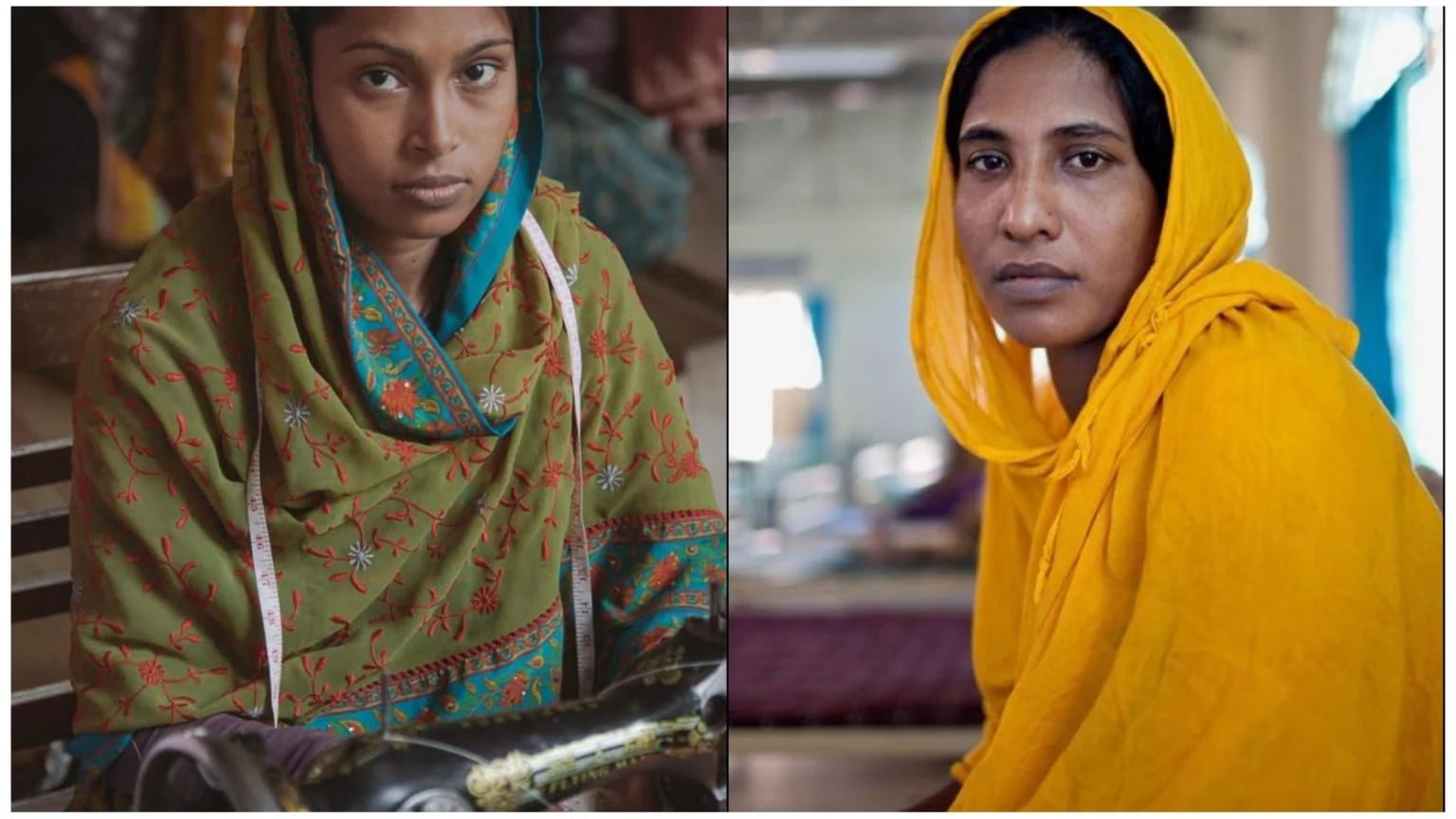
Ready-made garments are the backbone of the economy. Exports reached US$38.70 billion in fiscal year 2025-26, about 80.6 per cent of all merchandise exports. The sector employs around four million people, and most of them are women. Every day of lost production puts export orders, foreign currency earnings and household incomes at risk.
Where Each Side Stands
Union groups have set out different numbers. Thirty-five labour federations are asking for Tk 37,125, while the IndustriALL Bangladesh Council wants Tk 32,000. Factory owners say the Tk 30,000 demand has no logical or mathematical basis. Brands also have a role, as labour advocates are urging them to commit to responsible purchasing and help absorb any wage increase.
The government has formed a six-member wage board with two worker representatives, two employer representatives, one government member and one neutral member.
The Real Test Ahead
This is not only a fight over a number. A wage that is too low keeps workers hungry and angry. One that outpaces what buyers will pay could push orders to rival producers. The board has to find a figure that is fair, affordable and backed by brands willing to pay a fair price for the clothes they sell.
Final Thoughts
Bangladesh’s garment crisis is a test of whether its biggest industry can grow without leaving its workers behind. A balanced settlement could restore calm and protect exports. A failed one could deepen the unrest and weaken the economy.
Discover More Stories Related to Tarique Rahman’s Japan Visit with Bangla Pulse
1. Why is Tarique Rahman visiting Japan, Türkiye and Saudi Arabia?
Tarique Rahman’s planned foreign visits aim to strengthen Bangladesh’s diplomatic, economic and strategic relationships. Japan is a key partner for trade and investment, while Türkiye and Saudi Arabia offer opportunities for climate cooperation, employment and investment. Read more about the Tarique Rahman Japan, Türkiye and Saudi Arabia visits.
2. What deals could Bangladesh sign during Tarique Rahman’s Japan visit?
Bangladesh and Japan could explore cooperation in trade, agriculture, fisheries, skilled employment, human resource development and environmental protection. Learn more about the potential agreements in this report on Tarique Rahman’s Japan visit and proposed deals.
3. How could Tarique Rahman’s Japan visit benefit Bangladesh’s economy?
The visit could help attract Japanese investment, expand export opportunities, create jobs and strengthen infrastructure and technology cooperation. Potential agreements could also support long-term economic ties between the two countries. Read the full report on potential deals during Tarique Rahman’s Japan visit.
4. Will Tarique Rahman discuss employment opportunities for Bangladeshi workers in Japan?
Employment opportunities and skills development are important areas of Bangladesh-Japan cooperation. Discussions may focus on skilled-worker recruitment, technical training and Japanese-language education to help Bangladeshi workers access employment opportunities. Explore the broader diplomatic agenda in the article on Tarique Rahman’s Japan, Türkiye and Saudi Arabia visits.
5. What are the key objectives of Tarique Rahman’s planned visits to Türkiye and Saudi Arabia?
The visits aim to strengthen Bangladesh’s international partnerships. Türkiye offers opportunities for climate diplomacy and cooperation, while Saudi Arabia remains important for labour migration, energy, investment and regional relations. Read more in the Bangla Pulse report on Tarique Rahman’s planned foreign visits.