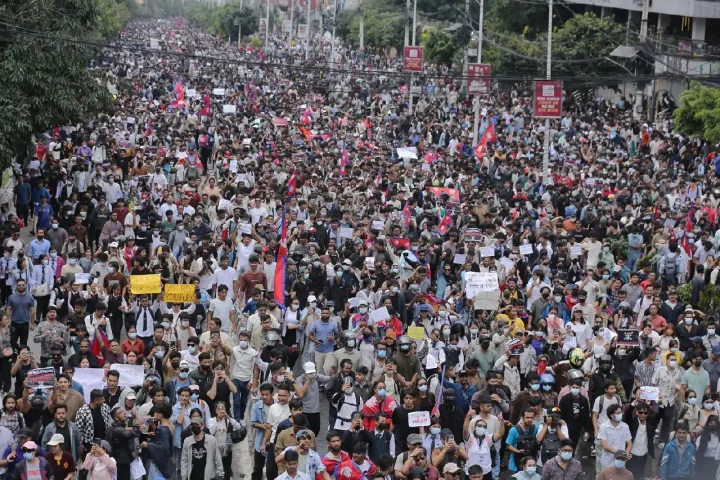

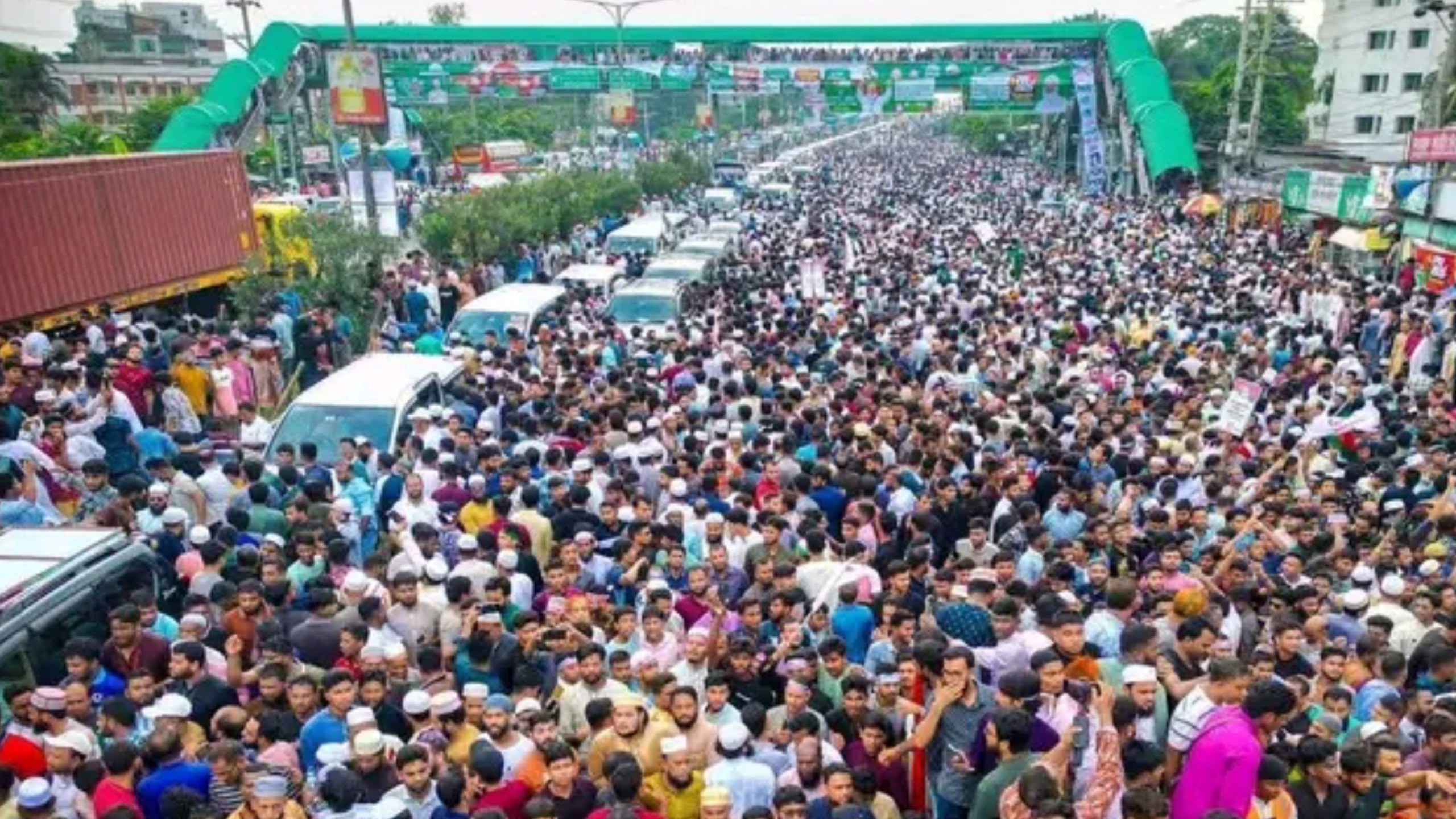
New Government Faces First Major Test. Bangladesh has been hit by a wave of public protests, the biggest display of discontent since Prime Minister Tarique Rahman came to power. Thousands have protested in several cities as what began as localised demonstrations has morphed into a wider national movement. A wide cross-section of society, ranging from urban professionals to rural communities, is participating in the demonstrations, united by a frustration over the continuing rise in prices of food staples, fuel and other essentials of everyday life.
What Protesters Are Asking For
The organisers of the demonstrations have set out a clear set of demands, not a nebulous demand for relief.
Among them are price caps on basic goods, higher government subsidies for the poor and more transparency in the way markets are regulated. Protesters are also demanding a broader review of existing economic policy to uncover what is really behind the current inflationary pressure, instead of treating price hikes as an inevitable outcome of global factors.
The truth about the anger
The frustration on the streets is backed up by hard data. Bangladesh Bank’s quarterly Inflation Dynamics report for the fourth quarter of the last fiscal year showed that energy costs were the main driver of the rise in average headline inflation to 9.21 per cent.
Food inflation has followed suit, rising to 8.7 per cent in June, from 7.71 per cent in December and 8.24 per cent in March. For families already operating on a tight budget, that mix of climbing food and energy costs has eaten into the financial cushion many families once relied on to cover emergencies or even save modest amounts each month.
How the Iran War Made It Worse
Much of the recent price pressure can be traced to the regional war that began in February. As the fighting started, Bangladesh’s government raised prices of fuel, electricity and liquefied petroleum gas, adding to the already high cost of food and transport. As early as June, the Centre for Policy Dialogue had warned that higher power tariffs risked exacerbating an already dire inflationary environment, a warning that has since played out in the central bank’s own data. Dhaka residents said that the fuel price increases came twice in less than two months, not allowing households much time to adjust their budgets between increases.
A Squeeze That Hits the Middle Class
The current wave of protests is remarkable for the breadth of the pressure. “In Dhaka, middle-class households, families who used to manage rent, utilities, food and transport while still saving a little, are finding that cushion has vanished,” the reports say. Many households have responded by cutting back on discretionary spending, delaying healthcare and education costs, choosing less expensive alternatives for everyday goods or simply borrowing to sustain the current standard of living. That’s politically important because pockets of distress here and there have less impact on government responses than sustained middle-class discontent.
Discover More Stories Worth Your Time
Explore Why Dengue Cases Rising?
Discover what is driving Bangladesh’s latest dengue surge and the health concerns emerging nationwide.
See Why Rising Seas Threaten Dhaka?
Discover why the UN warns millions across Mumbai, Kolkata, and Dhaka face immediate coastal risks.
Find Why Trump Praised Tarique?
Explore what the US president’s letter says about the Boeing aircraft deal.
Learn How Adani Supply Returns?
Discover how Bangladesh’s payment settlement helped restore full electricity supply from the Godda plant.
Check How Sylhet Border Watch Improves?
Explore how the new facility strengthens Bangladesh’s border surveillance and drone capabilities.
Workers are the ones who feel it most directly
The squeeze has been hardest on Bangladesh’s working class, especially the garment sector that supports much of the country’s export economy. An increase in the minimum wage agreed earlier this year was intended to relieve some of that pressure, but workers say the new rate still lags far behind the real cost of living at a time when inflation is running close to 9.5 per cent. Tens of thousands of garment workers have lost their jobs this year as factories have closed, adding to the problem and compounding job insecurity with the pressures driving people into the streets.
What the Government is Facing Next
The government now faces the immediate challenge of how to respond to the protests, the first major public challenge to Tarique Rahman’s administration, in a way that convinces the protesters that their demands are being taken seriously without abandoning the broader fiscal discipline it has tied itself to since coming to power. The question of how officials can square price stabilisation measures with existing budget commitments is likely to determine whether this wave of unrest fizzles out quickly or gathers further momentum. For the time being, with inflation remaining hot and no clear timeline for relief, the pressure on Bangladeshi households, and on the government trying to manage their anger, shows no sign of abating.