
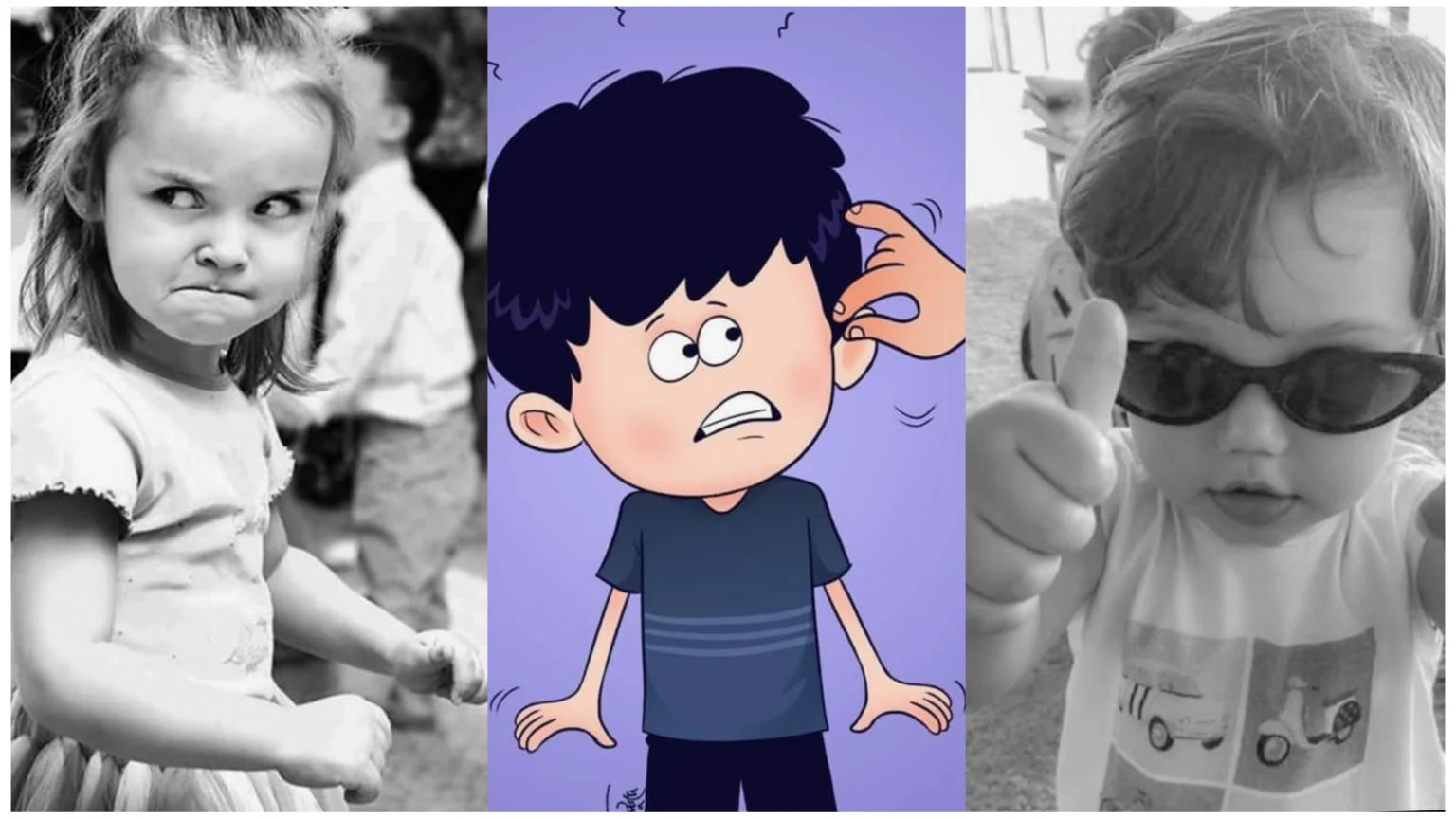
Many parents in Bangladesh feel pressure to start teaching letters and numbers early. But toddler learning works best when a child feels safe, relaxed and curious. Sitting a 2-year-old down with a book often leads to frustration. The good news is that early childhood development happens naturally through everyday life, without costly resources.
Turn Daily Life Into Play-Based Learning
Children this age learn by touching, listening and moving. Whether you live in a flat in Mirpur or a village home in Rajshahi, you can teach a lot during ordinary routines.
- Count rice scoops, bananas or the steps they climb.
- Name colours while sorting clothes or picking vegetables at the bazaar.
- Let your toddler help lay out plates and spoons.
This is play-based learning, and children usually ask for more. If your child walks away, let them go and try again later.
Use Bangla Rhymes, Stories and Calm Routines
Language grows from listening. Sing Bangla rhymes such as “Ay Ay Chand Mama” with actions, and repeat them often. Toddlers love repetition, and it helps them remember new words.
Ask grandparents to join in. Short folk stories at bedtime build vocabulary and help children feel part of the family. Routine also helps toddlers feel safe, so pick a calm time of day, such as after the afternoon nap or before evening prayer.
Keep Screen Time Short and Shared
Many Bangladeshi families use mobile phones, and that is understandable when parents are busy. If you do use videos, choose slow, clear ones in Bangla or English. Sit with your child and talk about what you see. The WHO guidelines on screen time for children advise no sedentary screen time for babies under 1, and none recommended for 1-year-olds. For 2-year-olds the limit is no more than one hour a day, and less is better.
Encourage Effort and Be Patient With Each Child
Every child learns at their own pace. Don’t compare your toddler with a cousin or a neighbour’s child, as this only adds stress. Praise effort rather than results. A simple “You tried so hard!” goes a long way.
If you are worried about your child’s speech or development, visit your nearest upazila health complex or a trusted paediatrician. Early advice is helpful and often reassuring.
The Bottom Line
Stay patient and cheerful, and let your toddler lead. Children who learn through play and warmth are more likely to grow up enjoying learning.
Discover Food with Bangla Pulse
1. Wondering which traditional Bangladeshi dishes are slowly disappearing from our kitchens?
Take a delicious trip into the past with these lost recipes and forgotten traditional dishes of Bangladesh.
2. Love Ilish but want to move beyond the usual preparation?
These classic Ilish recipes bring some of Bangladesh’s favourite fish dishes to your kitchen.
3. Think you know Bangladeshi cuisine? You may be missing these hidden gems.
Discover lesser-known Bangladeshi dishes that deserve a place on every food lover’s list.
4. Looking for something warm, comforting and seasonal when the monsoon arrives?
Try these healthy monsoon comfort food recipes inspired by homestyle flavours.
5. Weekend plans but no idea what to cook? Why not make biryani?
From familiar favourites to exciting variations, here are 7 biryani recipes to try this weekend.