Bangladeshi food is much bigger than biryani, bhuna and fish curry. Behind the restaurant menus lies a quieter world of village recipes, seasonal greens, fermented fish, handmade pithas and slow-cooked festival dishes. Many of these are slowly disappearing as kitchens get smaller, lives get busier and younger cooks reach for faster options. This article looks at why traditional recipes fade, introduces some dishes worth knowing, and suggests simple ways to keep them on the table.
Why Recipes Disappear
Most traditional Bangladeshi recipes were never written down. They lived in the hands of grandmothers, aunts and village cooks, passed along by watching, tasting and being corrected. A pinch of this and a handful of that were the only measurements.
Today, many families have moved from villages to cities. Joint households have become nuclear ones. Ingredients that once grew behind the house, such as wild greens, taro stems or particular chillies, are hard to find in city markets. Packaged spice mixes and delivery apps have also changed daily habits. A recipe that takes half a day to prepare simply does not fit into most schedules anymore.
None of this means the food is gone, but it does mean it needs a little attention.
Dishes Worth Knowing
Shidol, from Sylhet
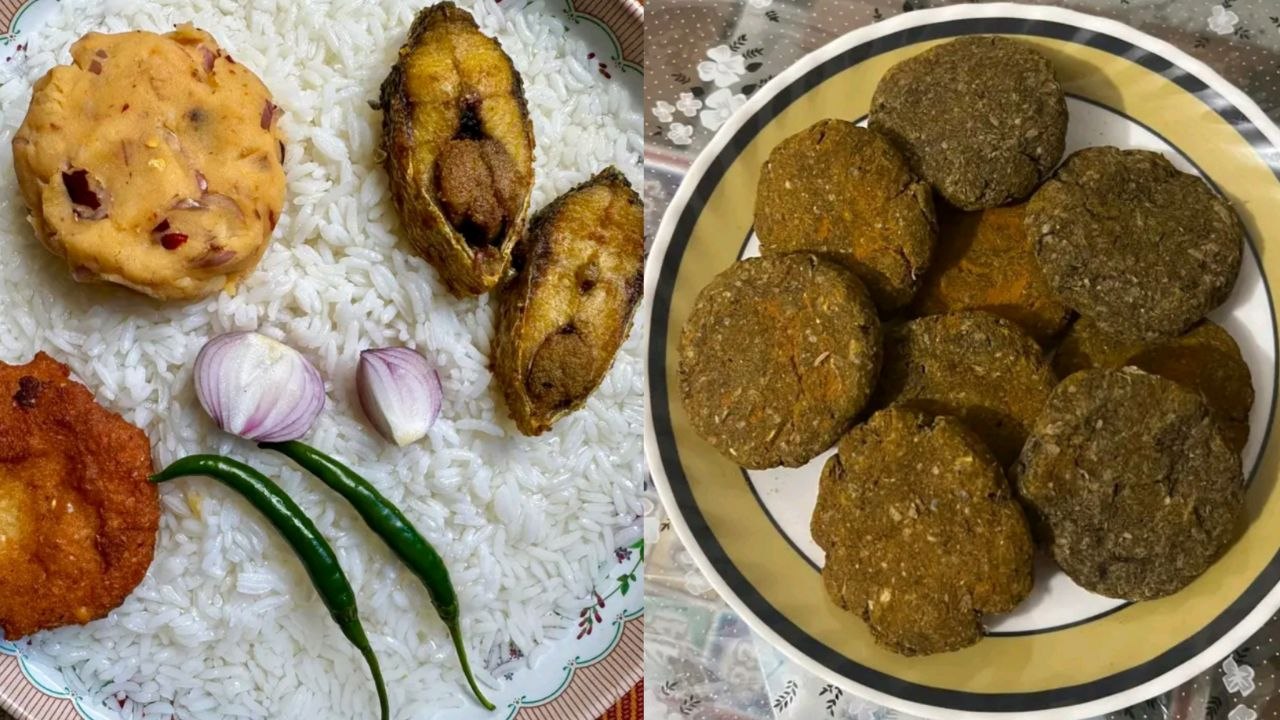
Shidol is a fermented fish paste made from small dried fish, and it is one of the boldest flavours in the country’s northeast. It is usually cooked into a mash with chillies, onions and mustard oil, or added to vegetable dishes. The smell is strong, and not everyone loves it at first, but people who grow up with shidol often describe it as the taste of home. It is a good example of a food that younger city cooks now rarely make.
Chui Jhal, from the southwest
Chui jhal is a pungent, peppery root or stem used in meat curries in parts of Khulna and nearby districts. Its warm, slightly numbing bite sets the dish apart from ordinary curries. Because the ingredient is regional and not always easy to buy elsewhere, many people outside the area have never tasted it.
Bakarkhani, from Old Dhaka
This layered, crisp bread has long been part of Old Dhaka’s food identity. It is often served with tea or alongside rich meat dishes. Some old bakeries still make it the traditional way, but the craft depends on skilled hands, and fewer young people are learning it. Buying from a long-standing shop is one of the easiest ways to support it.
Kala Bhuna, from Chattogram
Chattogram’s kala bhuna is a dark, deeply spiced beef dish cooked slowly until the masala clings to the meat. It belongs to the same family of festive cooking as Chattogram’s mezban feasts, where large pots are cooked for gatherings. The slow, patient technique is what gives it its flavour, and it is hard to rush.
Bamboo-cooked dishes, from the hills
In parts of the Chittagong Hill Tracts, communities cook meat, fish and vegetables inside hollow bamboo, often with herbs and mild seasoning. The bamboo adds a faint sweetness and keeps the food moist. Dishes like these are part of the culinary heritage of the hills, and they deserve more recognition than they usually get.
Winter pithas, from village kitchens
Pitha is the heart of Bengal’s winter food culture. Bhapa pitha, patishapta, chitoi pitha and many others are made with rice flour, coconut, jaggery and date palm syrup. Some versions need long soaking, careful shaping and special moulds. Fancier designs, such as the decorated nakshi pitha, take real skill. Many families now buy pithas at winter fairs instead of making them at home.
Foraged greens and humble vegetables
Older kitchens made use of leafy greens and plants that most people today ignore. Spinach, taro leaves, water spinach and various wild shaks were simple, nutritious and cheap. They were cooked with a little garlic, chilli or dried fish, and paired with plain rice. These dishes are no longer fashionable, yet they remain among the most balanced and affordable meals in the country.
Panta Bhat
Fermented rice soaked overnight in water, then eaten with salt, onion, green chilli, mustard oil and fried fish, was once an everyday meal for farmers and labourers. It is now mostly associated with the Bengali New Year. Still, many nutrition writers praise it as a cooling, filling dish, and it is easy to try at home.
Discover More Stories Worth Your Time
See Which Foods Ease Seasonal Changes?
Explore five comforting foods that can help you feel your best.
Learn How To Spot H1N1?
Discover H1N1 symptoms, prevention tips, and essential facts for Bangladesh.
Explore Why Wages Stay Frozen?
Discover how stagnant minimum wages are affecting Bangladesh’s garment workers and families.
Check How Conflict Hurts Jobs?
Explore why Middle East tensions could threaten Bangladesh’s jobs and poverty gains.
Find Which Netflix Picks Worth Watching?
Discover binge-worthy Netflix choices for a relaxing weekend at home.
How to Keep These Recipes Alive
You do not need to open a restaurant or write a cookbook. Small steps matter more than they seem.
Sit with an older relative and cook one dish together. Write down quantities as you go, even if they are rough. Record a short video, because techniques are easier to understand when you can see them.
Buy from local sellers and small producers when you can. A neighbourhood bakery, a village pitha stall or a roadside cook is often the last keeper of a traditional method.
Try one forgotten ingredient a month. A new green, a regional spice or a simple fermented dish can open a whole new corner of the cuisine.
If you write about food, share recipes with the name of the person or place they came from. Credit keeps the story attached to the dish.
A Taste of Memory
Food is one of the strongest links to the past. A bowl of warm pitha on a foggy morning or a spoonful of shidol mash can bring back a whole childhood. When a recipe disappears, a small piece of local history disappears with it.
Bangladesh’s kitchens still hold plenty of treasure. All it takes is curiosity, a little patience and the willingness to ask, “How did you make this?” before the answer is gone.