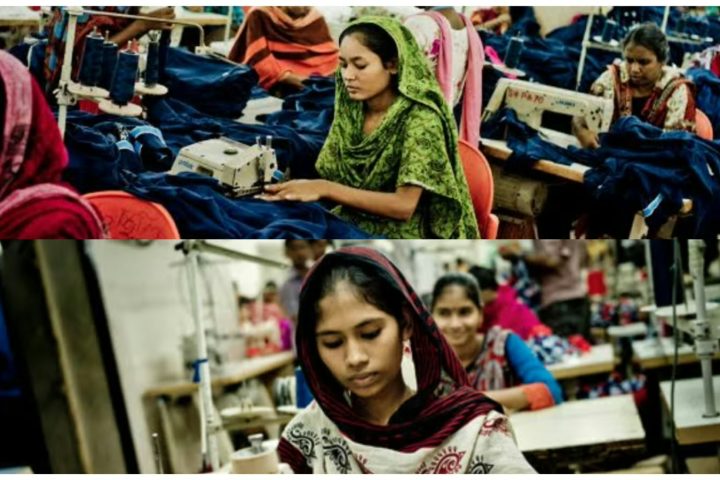

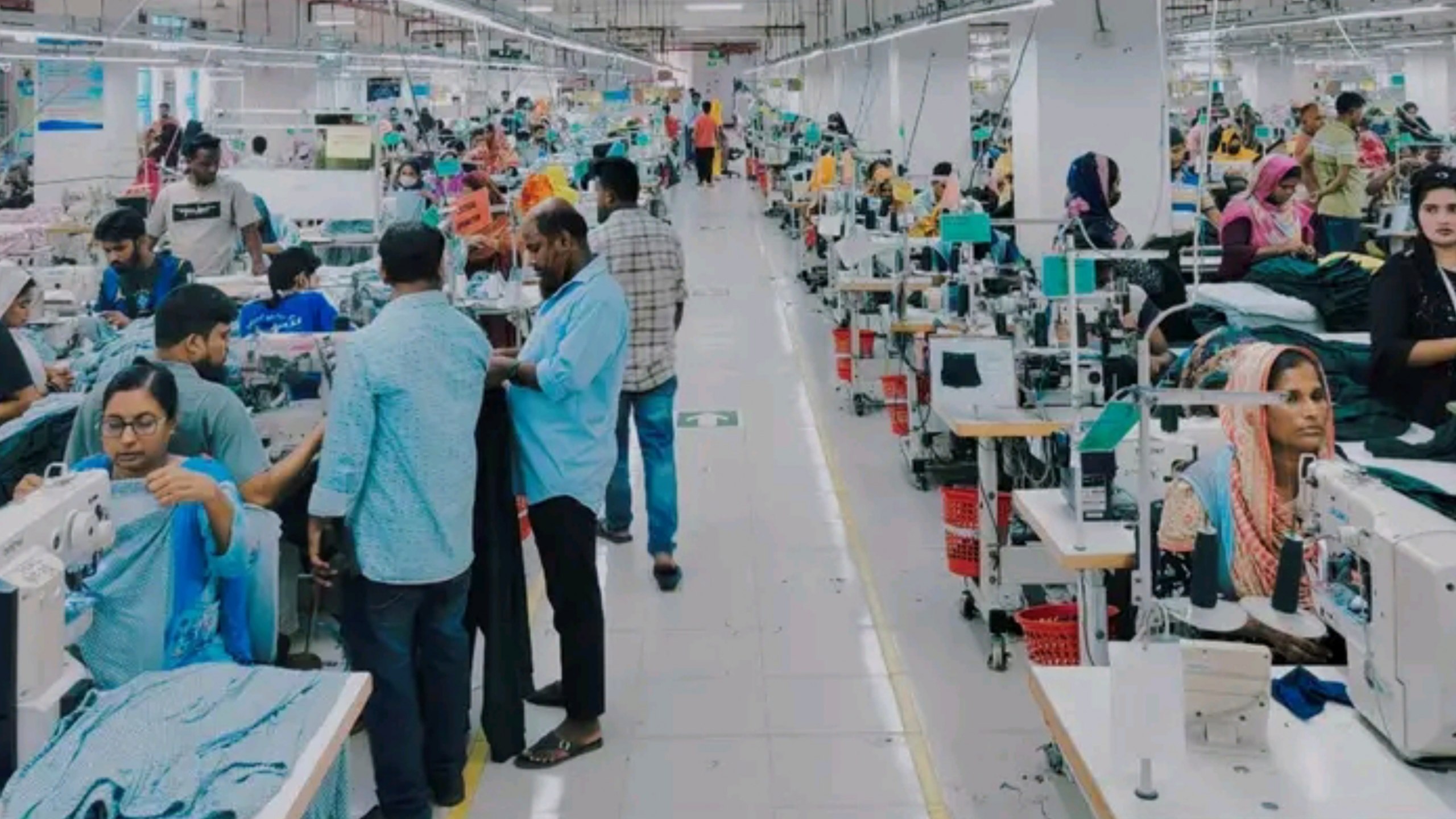
Bangladesh’s legal minimum wage for garment workers is around 12,500 taka a month, or roughly 113 dollars, set in December 2018 after violent protests forced factory owners to more than double the previous rate of 8,300 taka. It hasn’t increased since. Labour rights researchers say the Consumer Price Index in Bangladesh has risen by about 35 per cent in that time, so workers can buy significantly less with the same pay cheque now than they could seven years ago.
A policy brief by the Cornell University Global Labour Institute found that Bangladeshi garment workers’ average monthly earnings are the lowest among all major apparel-producing nations, at just 389 dollars in purchasing-power-parity terms, after adjusting for purchasing power. Labour groups, including the Worker Rights Consortium, have called for a new minimum wage of about 215 dollars, or between 23,000 and 25,000 taka, saying the figure represents what families actually need to cover food, rent and basic expenses today.
What Workers Are Really Taking Home
For many workers, overtime is the only way to cover the gap between minimum wage and survival. Garment worker Rehana Begum told journalists in early 2026 that her monthly earnings, including overtime, amounted to about 20,000 taka, or about 163 dollars, which she said was just enough to cover rent, food and other living expenses.
More than 80 per cent of garment workers run out of money before they get their next pay cheque and a similar share are already in debt from high-interest loans taken just to get by, according to a Bangladesh Institute for Labour Studies survey. In recent years, rice, lentils, flour, eggs and cooking oil have all soared in price, with some staples said to have doubled in price, making even the government’s own 2018 wage figure seem more and more out of touch with day-to-day reality.
No accident, a conscious decision
Economists and labour researchers say Bangladesh’s success in remaining competitive in the global apparel manufacturing sector has long depended on keeping its labour costs lower than its regional rivals. As the country approaches leaving the United Nations’ Least Developed Countries list in 2026 – a milestone tied to broader economic growth – that growth has not translated into meaningfully higher take-home pay for the workers whose labour helped generate it.
Brands sourcing from Bangladesh have faced mounting pressure to back higher wages by paying factory suppliers more and backing transparent wage-setting processes. But labour advocates say international buyers have largely been slow to act, all the while profiting from what researchers say are sub-poverty wages.
Discover More Stories Worth Your Time
Explore Why Sundarbans Disappear?
Discover how climate change is threatening Bangladesh’s world-famous mangrove forest.
Check How Farmers Benefit?
Explore what the new Farmer’s Card means for growers in Rangpur and Rajshahi.
See Why President May Resign?
Discover the latest political developments surrounding President Shahabuddin’s future.
Find Why Flood Alert Issued?
Explore how a massive monsoon cloud band could affect Bangladesh’s weather.
Learn Which Bangla Series Watch?
Discover three homegrown Bangla web series perfect for your next weekend binge.
Women workers left even farther behind
The pressure has hit women, who make up the bulk of the garment workforce in Bangladesh, the hardest. Many took part in the student-led uprising of July 2024 that overthrew the previous government, hoping that the political change would bring real change to their working conditions. But a report published in early 2026 found that women garment workers had largely been sidelined and erased from the subsequent political transition – left to face the same wage pressures without any meaningful improvement in their bargaining position.
No simple solution in sight
Unlike 2023, when mass protests forced a wage increase within weeks, there is no wage board negotiation underway this time that could reset the minimum for 2026. For most workers, without a formal review, that means overtime, informal borrowing and increasingly stretched household budgets to cover costs that have moved well past what a seven-year-old wage figure was ever designed to handle.
For a country whose international reputation and economic growth are heavily dependent on its garment sector, the widening gap between what workers earn and what they need to live has become difficult to ignore, and so far, even harder to close.