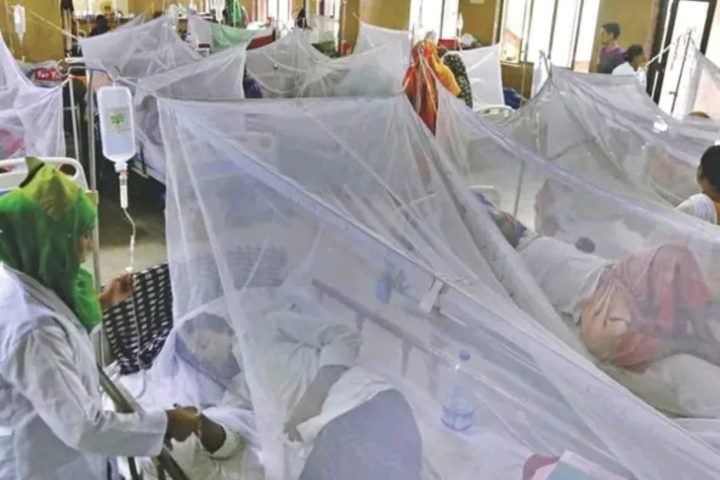
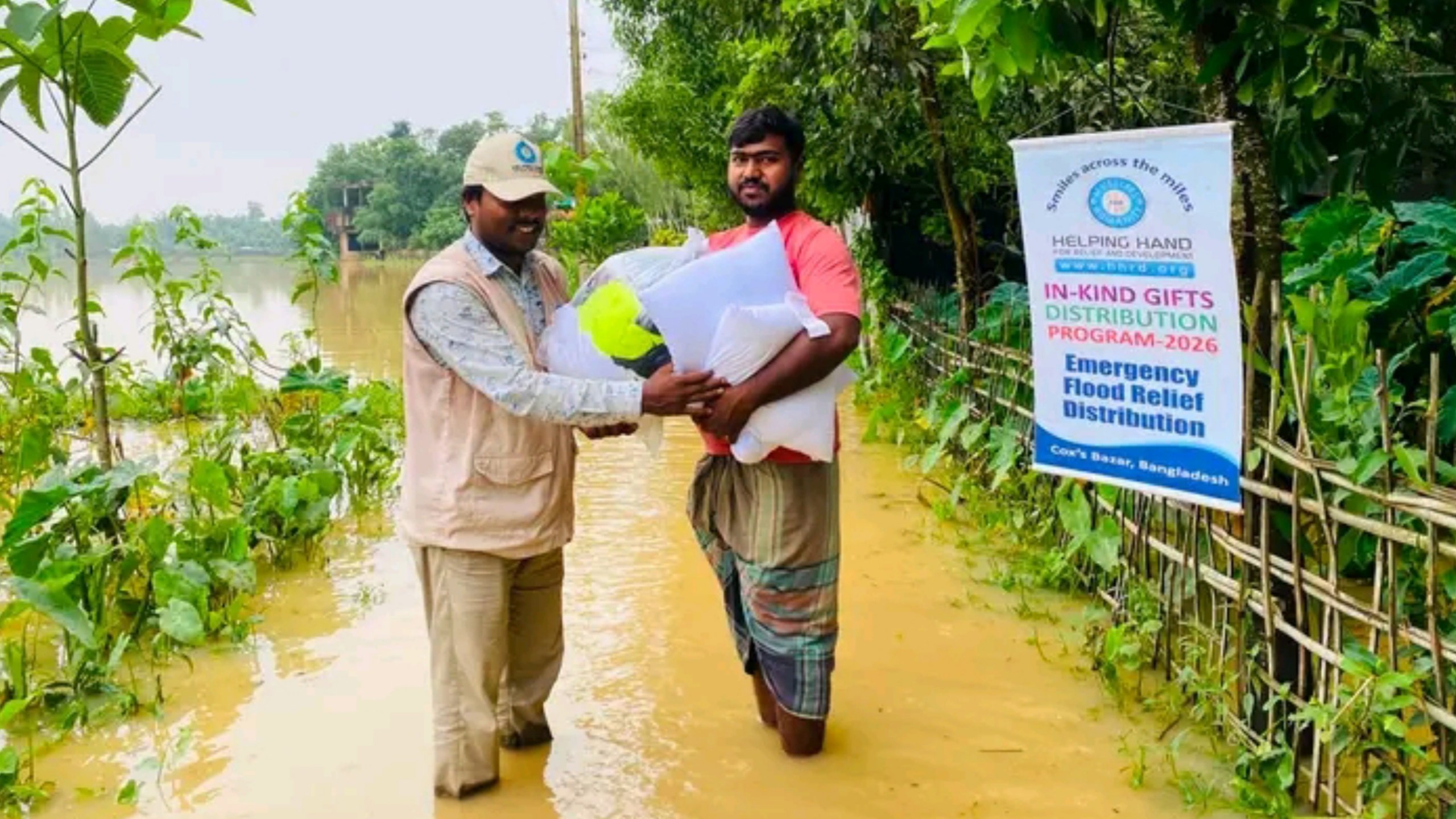
Flooding in Bangladesh tends to strike fast and hit wide, from the haor basin in the northeast to Feni, Noakhali, and Cumilla in the southeast. When rivers overflow and news of stranded families spreads, Facebook posts and personal fundraising links multiply within hours. Because so much giving here happens informally, through a shared bKash or Nagad number rather than a registered charity account, it becomes far easier for a fake appeal to blend in among genuine ones. A convincing photo of flood damage and an urgent caption are often all it takes to get people sending money without asking who is actually behind the post.
Red Flags To Watch For
Be cautious of posts that describe flooding in only general terms without naming a specific village, union, or upazila, since real relief efforts on the ground almost always reference precise locations. Watch out for personal mobile wallet numbers with no organisational name attached, especially when the account was created or first used to post about the flood only recently. Photos and videos recycled from previous flood years are another common giveaway; a quick reverse image search can reveal if a photo has circulated in earlier disasters. Be wary too of posts that pressure you to donate immediately and discourage questions about how funds will be used.
Check Who Is Actually Collecting The Money
Established organisations such as BRAC, the Bangladesh Red Crescent Society, and various mosque- or madrasa-based relief committees usually publish clear updates on where funds are going, often with photos of actual distribution and lists of affected upazilas. If a fundraiser claims to be linked to a known NGO, verify this directly on that organisation’s official Facebook page or website rather than trusting the fundraiser’s word alone. For personal or informal appeals organised by an individual, look for a real name, a visible local address or workplace, and posts from before the flood that show an established public presence rather than an account created only to collect donations.
Using bKash and Nagad Safely
Because so much flood relief moves through mobile financial services, take the same care with a payment number that you would with a bank account. A legitimate collector should be willing to share their registered name as it appears on the wallet, and that name should match the person or organisation named in the post. If a number is described only as “amar bhai er” or “relief committee er” without a full name, ask before sending. Where possible, prefer sending to organisations with merchant or agent accounts, which carry more verification than personal numbers.
What To Do Before You Donate
Search the organiser’s name or the fundraiser text on Facebook to see whether others have already raised concerns. Cross-check the flooding details, affected districts, and casualty figures against reporting from established Bangladeshi news outlets, since fake appeals often exaggerate or misstate basic facts. If you’re unsure, it’s safer to donate through a well-known relief organisation’s official channel than through an individual’s personal appeal, even if the personal post reached you first through a friend’s share.
Discover More Stories Worth Your Time
Explore Why Sundarbans Disappear?
Discover how climate change is threatening Bangladesh’s world-famous mangrove forest.
Check How Farmers Benefit?
Explore what the new Farmer’s Card means for growers in Rangpur and Rajshahi.
See Why President May Resign?
Discover the latest political developments surrounding President Shahabuddin’s future.
Find Why Flood Alert Issued?
Explore how a massive monsoon cloud band could affect Bangladesh’s weather.
Learn Which Bangla Series Watch?
Discover three homegrown Bangla web series perfect for your next weekend binge.
The Bottom Line
A fundraiser being widely shared on Facebook is not proof that it is genuine. During Bangladesh’s flood seasons, verifying an organiser’s identity, checking the specifics of their claims, and preferring established organisations over anonymous mobile wallet numbers are simple habits that ensure your contribution reaches families in Sylhet, Feni, or wherever the water has actually risen — not a stranger looking to profit from someone else’s disaster.
Summary: With flooding a recurring crisis across Sylhet, Feni, Cumilla, and other districts, flood relief fundraisers spread quickly across Facebook, WhatsApp, and mobile financial services like bKash and Nagad. That same speed makes it easy for fake appeals to piggyback on real tragedies. This guide explains the red flags to watch for in Bangladesh’s donation landscape and the checks that confirm a fundraiser is legitimate before you send money.