
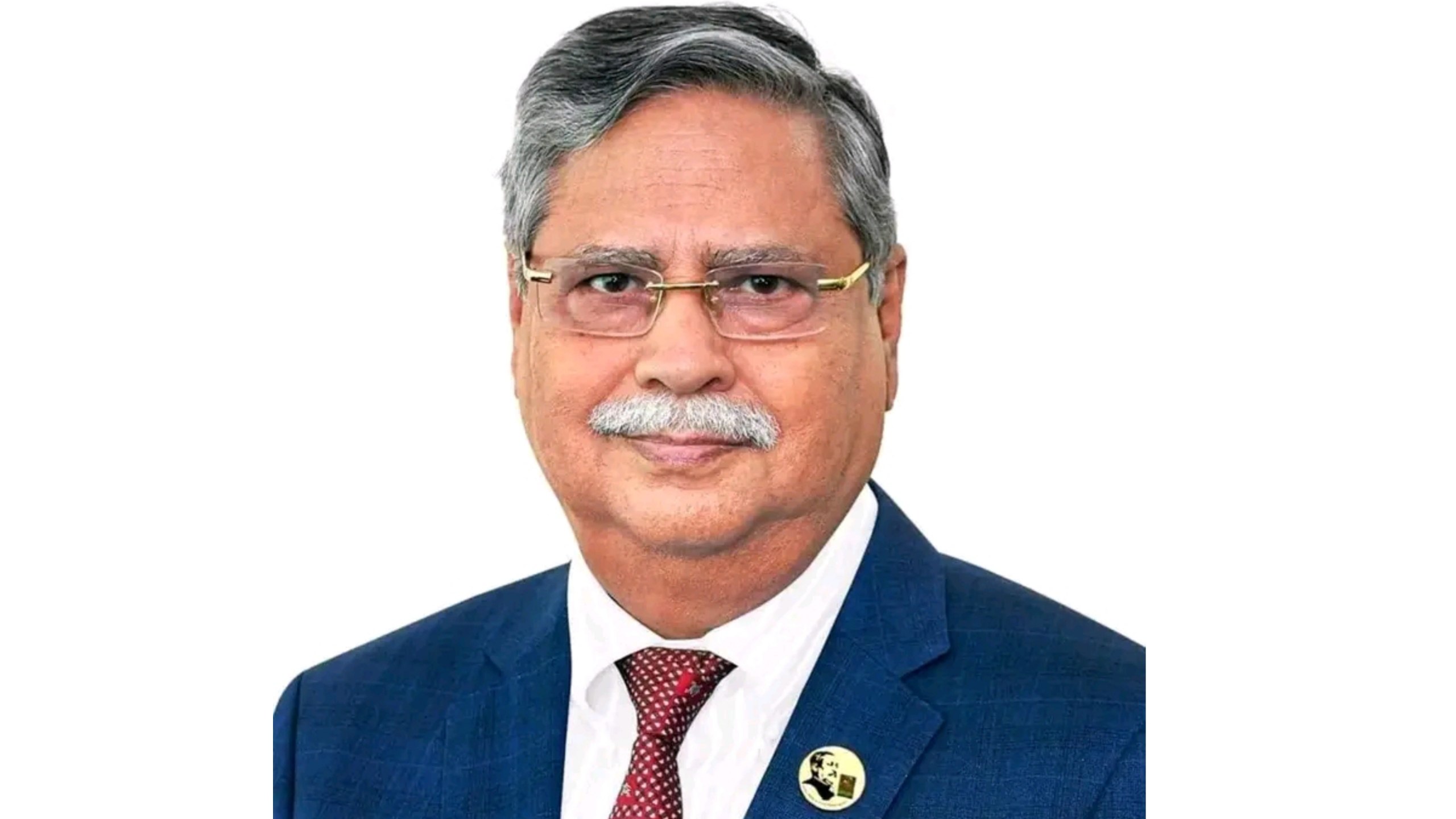
Speculation over the political future of Bangladesh’s President Mohammed Shahabuddin intensified sharply this week after Jatiya Sangsad Speaker Hafiz Uddin Ahmed abruptly cut short a medical trip to Bangkok, landing back in Dhaka on Friday, two days ahead of his original schedule. The timing has been widely read as a signal that the president’s resignation, long rumored but never confirmed, may now be imminent.
Why the Speaker’s Return Matters
Under Article 50(3) of Bangladesh’s Constitution, a sitting president resigns by submitting a signed letter addressed to the Speaker of Parliament. Because Hafiz Uddin had been in Thailand since July 19 for a medical check-up, with an original return date of July 26, his continued absence had effectively left the formal resignation process on hold. His early return, arriving at Hazrat Shahjalal International Airport just after midday on Friday, is seen by many observers as clearing the last procedural obstacle to a handover.
Speaking to reporters after landing, Hafiz Uddin said he had been out of the country and did not know what had happened regarding the president, adding that he expected to find out more now that he was back.
What’s Reportedly Driving the Resignation
According to Reuters, sources familiar with the matter said the government pressed Shahabuddin to step aside because of his long-standing ties to former Prime Minister Sheikh Hasina, whose ouster from power preceded his own increasingly uncomfortable position in office. The pressure has reportedly grown since Hasina indicated in an interview that she intends to return to Bangladesh, a development expected to test the current government’s efforts to stabilize the country after two years of political turmoil.
Shahabuddin’s press secretary, Sarwar Alam, confirmed to Reuters that the resignation would become effective once a signed letter reached the speaker, adding that the president intended to tender it once Hafiz Uddin returned from Thailand.
This is not the first time Shahabuddin’s position has come under pressure. Organizations behind the 2024 uprising had already demanded his resignation as far back as last October, though the interim government at the time opted against removing him, in part due to concerns raised by the BNP about triggering a constitutional crisis. Shahabuddin himself told Reuters in December 2025 that he intended to step down after the February parliamentary election, later saying he had felt sidelined during the interim government’s tenure.
Discover More Stories Worth Your Time
Explore Which Water Project Matters?
Discover the scale and impact of Bangladesh’s biggest water project in years.
Check What Changed Six Months?
Explore the BNP government’s progress on major policies since the February election.
See Why Border Tensions Continue?
Discover what BGB-BSF talks reveal about push-in disputes and bilateral relations.
Find Why Pori Stays Trending?
Explore the relationship drama keeping Bangladesh fascinated with Pori’s personal life.
Learn Who Hurts Fishermen Most?
Discover how middlemen, rather than nature, are cutting into hilsa fishermen’s incomes.
What Happens If He Resigns
Bangladesh’s presidency is a largely ceremonial post, with executive power resting in the hands of the prime minister and cabinet. Even so, the transition matters constitutionally. Under Article 54, if the office of president becomes vacant, the Speaker takes over presidential duties until a new president is elected by Parliament. Home Minister Salahuddin Ahmed told reporters this week that the president retained the constitutional right to resign on health or personal grounds, but said the government had taken no direct initiative on the matter itself.
Bangabhaban has issued no official statement confirming a resignation as of Friday, though sources described the mood inside the presidential palace as one of transition. Sources close to the matter also pointed to Shahabuddin’s declining health, including complications from severe diabetes, as a contributing factor alongside the political pressure.
What to Watch Next
With the speaker now back on Bangladeshi soil, attention turns to whether Shahabuddin formally submits his resignation letter in the coming hours or days. If he does, Hafiz Uddin Ahmed would assume the role of acting president, a scenario with precedent in Bangladesh’s history, most notably in 2002 when the then speaker served as acting head of state for 78 days following a previous presidential resignation.
Summary: President Mohammed Shahabuddin appears set to resign as Speaker Hafiz Uddin Ahmed rushed back from Bangkok two days early. Under the Constitution, the Speaker would serve as acting President once a resignation letter is submitted.