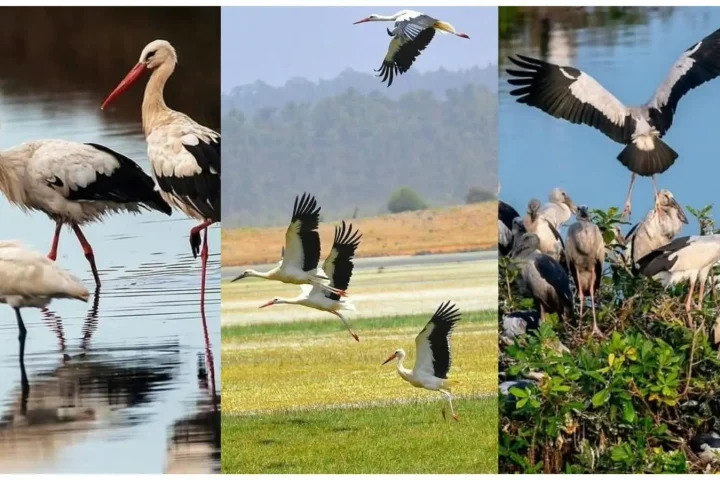

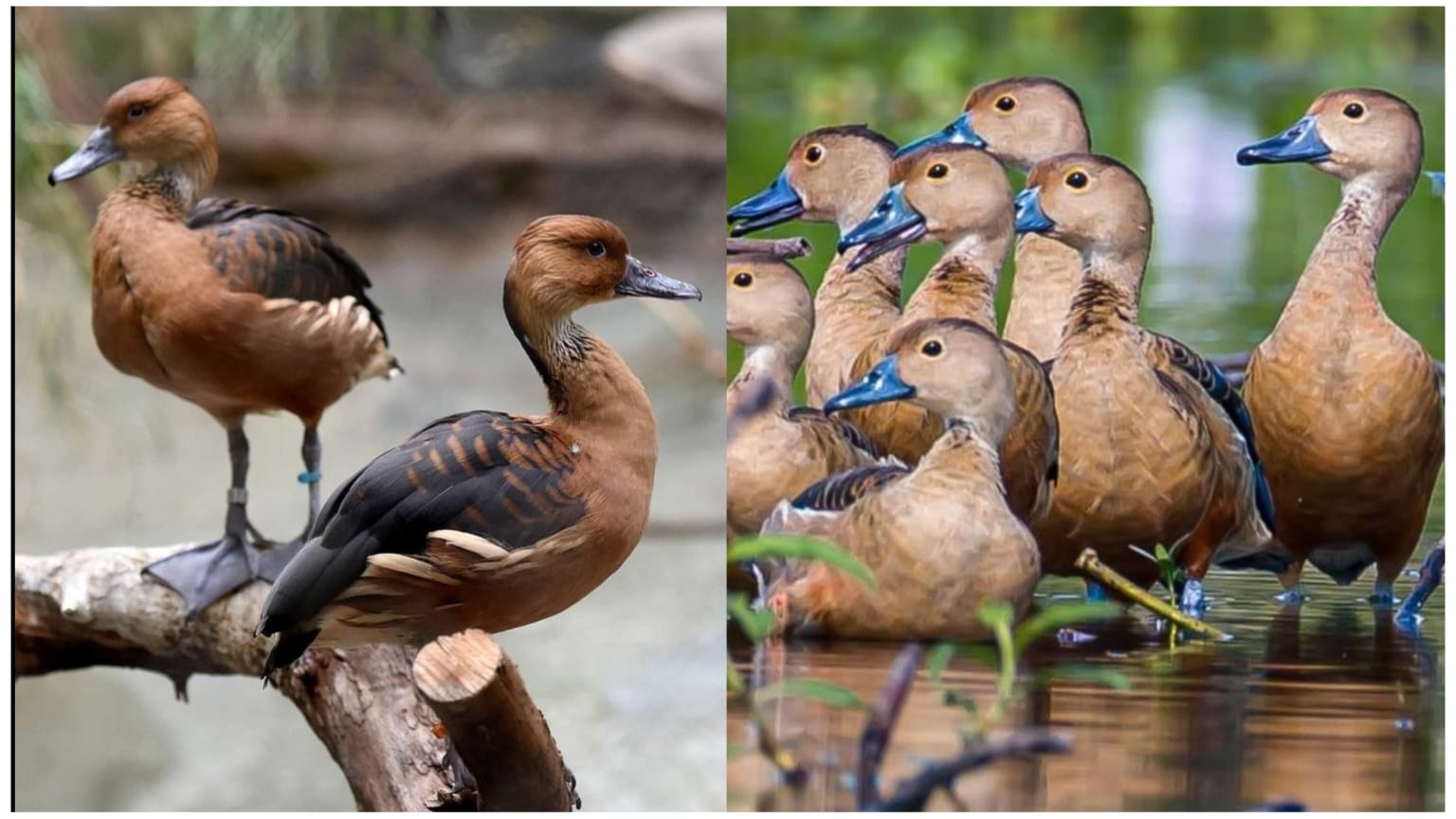
Saving the Winter Guests: Jahangirnagar University Bans Outside Visitors on Campus. Migratory birds have arrived, so Jahangirnagar University has stopped outsiders from entering the campus.
The notice, dated October 25, Sunday, was signed by Dr Mohammad Mohiuddin, acting director, Public Relations Office. “Lakes are ready for birds already,” the administration said, explaining that the restriction aims to ensure the safety of the birds and to keep them undisturbed.
Other Prohibited Items on the JU Campus
Teachers and students are asked to observe the birds from a safe distance. No fishing, no parking at the lakes. The beating of drums, bursting of firecrackers, clapping and any other loud noise is also banned. Don’t frighten birds. Don’t throw polythene or plastic bottles in the water.
Why These Rules Matter for Migratory Birds
Since 1986, these lakes have been visited by migratory birds from Siberia and the campus was declared a sanctuary by the government in 2014. But the numbers have dropped. In years past, researchers counted 6,000 to 7,000 birds last winter, a drop to about 1,500. Noise, heavy crowds and traffic have been blamed for years.
Rules only work when they are followed and enforced. If they are kept up, the lakes may have the quiet that the winter guests require.
Discover Migratory Bird and Winter Tourism With Bangla Pulse
1. Why do migratory birds visit Tanguar Haor and Hakaluki Haor during winter?
Tanguar Haor and Hakaluki Haor attract migratory birds during winter because their wetlands provide food, shelter and resting places. These ecosystems are important for bird conservation and seasonal wildlife tourism. Read more about winter visitors to Tanguar Haor and Hakaluki Haor.
2. What are the major threats to migratory birds in Bangladesh?
Migratory birds in Bangladesh face threats from illegal hunting, poaching, habitat destruction, pollution and wetland degradation. Protecting their habitats and enforcing wildlife conservation laws are essential to preserving bird populations. Learn more about bird poaching in Bangladesh.
3. Do migratory birds visit Bangladesh during the monsoon season?
Yes, several bird species visit or remain in Bangladesh during the monsoon, although migration patterns vary by species. Wetlands, rivers and flooded landscapes provide important breeding, feeding and nesting habitats for many birds. Explore the seasonal patterns of migratory birds in Bangladesh during the monsoon.
4. How can tourists reach Hakaluki Haor in Bangladesh?
Travellers can generally reach Hakaluki Haor through nearby towns in Moulvibazar and Sylhet districts, depending on their chosen entry point. The journey may involve road transport followed by local transport or a boat ride. Check this complete travel guide to reaching Hakaluki Haor for route-planning information.
5. What is the best time to visit Hakaluki Haor for birdwatching?
Winter is generally a popular time to visit Hakaluki Haor because migratory birds arrive at Bangladesh’s wetlands during the colder months. Visitors should maintain a safe distance from birds, avoid loud noises and never disturb their natural habitats. Discover more about winter wildlife and visitors at Tanguar Haor and Hakaluki Haor.