
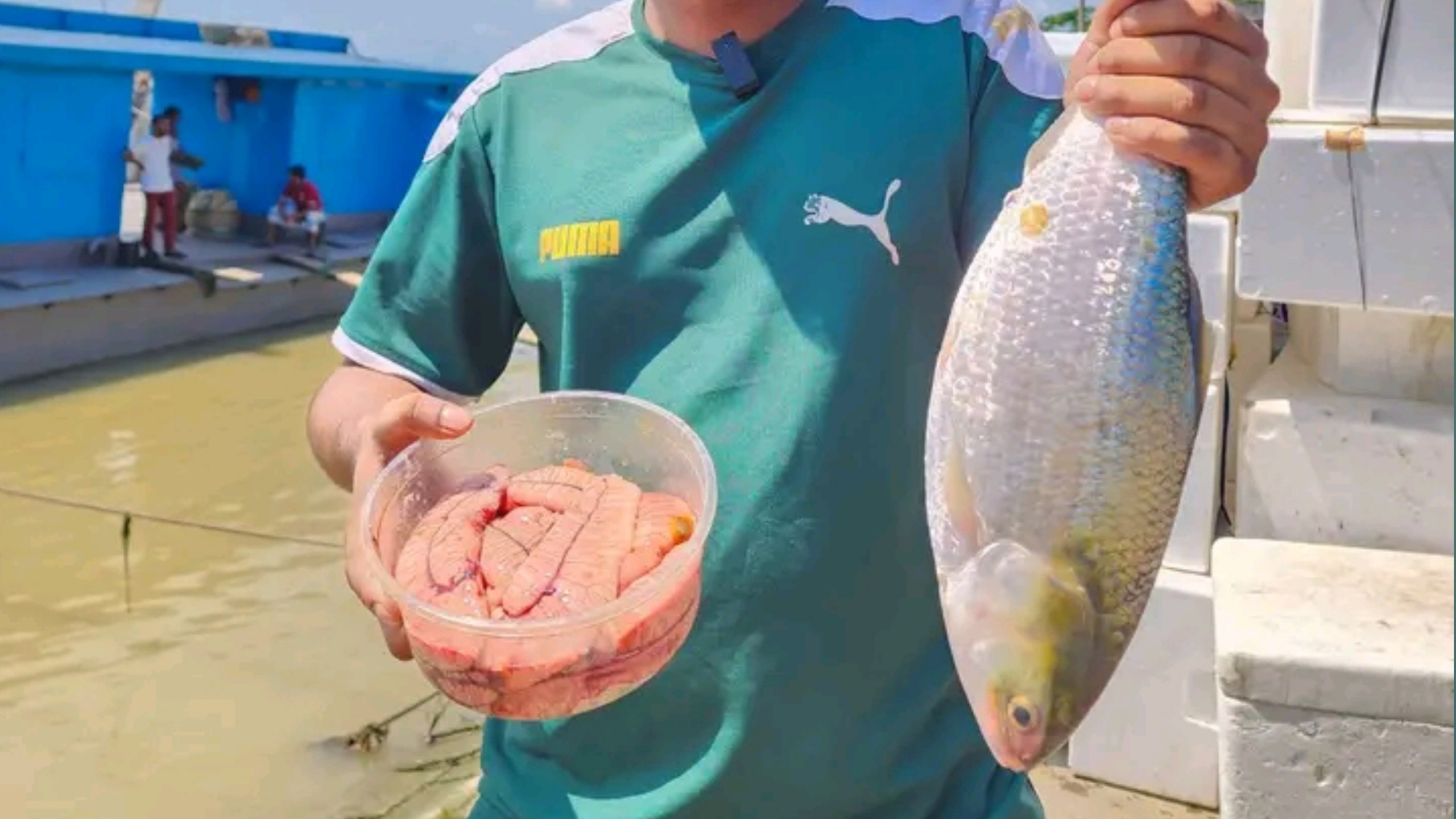
Hilsa is often described as Bangladesh’s national treasure, a fish so central to the country’s identity that it appears on dinner tables, in folk songs and in export statistics worth billions of dollars. But the men who risk their lives at sea to catch it are among the poorest workers in the supply chain. The usual explanation points to nature, overfishing, river pollution or fickle weather. But a closer look at how hilsa actually goes from boat to plate tells a different story. The ocean is not the biggest threat to a fisherman’s income. It’s the network of middlemen that stands between him and a fair price.
A Fishery on the Rebound, A Fisherman in Distress
It has become a conservation success story for the hilsa fishery of Bangladesh. Seasonal bans on fishing, protected sanctuary zones and restrictions on catching young jatka have helped stocks recover from near collapse in the late 1990s. Today, the fishery supports millions of people and contributes billions of dollars a year to the economy. In theory, that recovery should mean better earnings for the roughly 287,000 fishers who directly depend on hilsa.
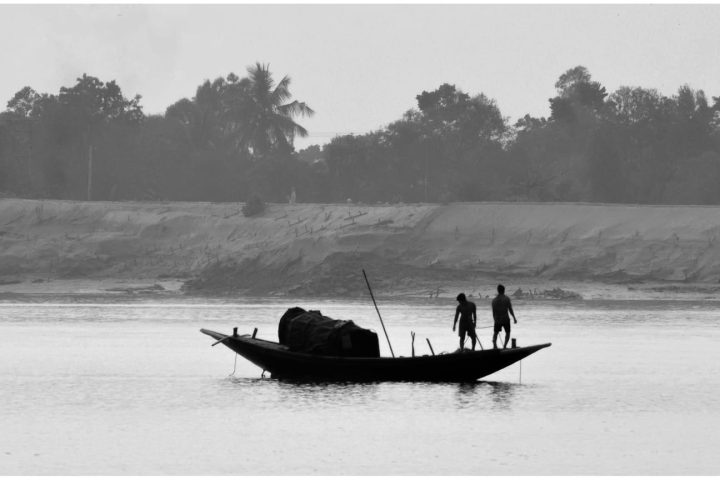
In practice, many still come back from days at sea with very little to show for it. Investigative reporting has revealed fishermen going out to sea for nine or ten days, returning with a catch worth several lakh taka, and yet coming back home in debt after the middlemen and moneylenders get their share.
The Dadon System Trapping Fishermen in a Cycle
The core of the problem is an informal credit system locally known as dadon. Fishing costs money – boats, nets, fuel, ice – and many fishermen borrow from local traders or money lenders before they go to sea. Instead, they agree to sell their entire catch back to that same lender, usually at a price set far below the open market rate.
This is an arrangement that puts the price in the hands of the lender, not the fisherman. When the fish gets to the moneylender, the wholesaler and the retailer, several layers of margin have already been added. Fishermen, who bear the real physical risk of the job, receive a minimum share of the final price paid by consumers in Dhaka or Chittagong.
Where the Money Actually Flows
Repeated studies on the supply chain of hilsa have warned about the same pattern. The price difference between the amount a fisherman gets on the riverbank and the price a consumer pays in the city is huge. The price difference increases with each middleman the fish goes through. Unlike the fisherman, these intermediaries have relatively little risk, and they get a disproportionate share of the value.
Government compensation schemes such as rice distribution during fishing bans have helped to offset some lost income during closed seasons. But these programs don’t address the structural issue of who sets the price once the fish is caught. Fishermen’s dependence on middlemen before they even leave the shore means that conservation gains at sea won’t necessarily translate into household income gains on land.
Discover More Stories Worth Your Time
How Can You Claim Structural Damage Insurance in Bangladesh?
Learn the steps, required documents, and claim process after property damage.
Why Does Dhaka’s Traffic Get Worse During the Monsoon?
Discover the main causes behind the city’s growing rainy-season congestion.
Is the Sundarbans Worth Visiting During the Monsoon?
Explore what to expect, travel tips, and whether it’s the right season to visit.
What Does Signal No. 3 Mean for Coastal Residents?
Find out how the latest low-pressure system may affect ports, travel, and weather.
How Will Bangladesh’s LDC Graduation Affect You?
Understand how the transition could impact prices, jobs, and the economy.
What might alter the equation?
Fisheries economists and development groups working in the sector have proposed some solutions. More access to formal micro-credit might help reduce reliance on dadon arrangements for fishermen. The bargaining power of fishermen could also be improved by improving cooperative marketing structures where fishermen sell as a group rather than individually to one lender. Another oft-quoted gap is stronger enforcement of existing market management rules for hilsa, which exist on paper but are rarely well enforced.
If these structural problems are not addressed, the story of Bangladesh’s hilsa fishery will be a tale of two cities. The government data will still show healthier stocks and increasing national catch figures. Fishermen will continue to land with proceeds representing only a fraction of the value of their catch, not because the sea gave too little but because too many hands took their cut before the fish reached the market.
Summary: Hilsa stocks in Bangladesh have rebounded through conservation, yet fishermen remain poor. Investigations point to middlemen and advance-money lenders who capture most of the fish’s value before it reaches the market.