
The story of Bangladesh’s relationship with India during the first five months of the BNP’s Tarique Rahman’s tenure is less one story than two parallel stories. On another track, the two governments trade diplomatic gestures to rebuild ties strained by Sheikh Hasina’s ouster in 2024. On the other, a sharp increase in disputed border “push-ins,” unresolved killings and incendiary rhetoric from Indian state leaders keeps pulling the relationship back toward crisis.
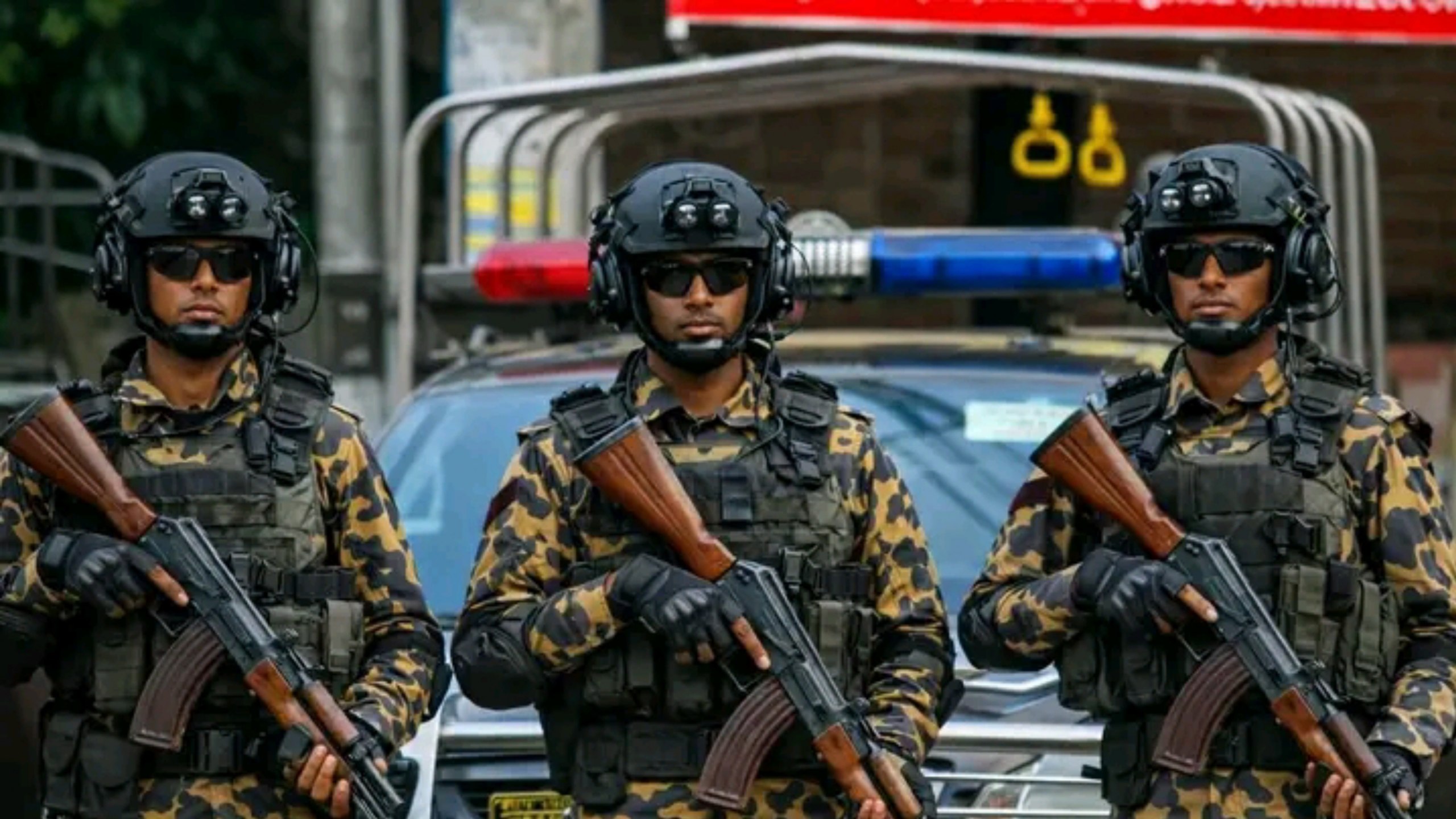
What Went Down At The 57th BGB-BSF Conference In June, border security was the focus of the four-day conference held in New Delhi between officials from Border Guard Bangladesh and India’s Border Security Force. The Bangladesh delegation was led by BGB Director General Major General Mohammad Ashrafuzzaman Siddiqui and the Indian side by BSF Director General Praveen Kumar. The talks were described as cordial in a joint statement afterwards, and both sides agreed to meet again in Dhaka in November.
Behind that language, the two delegations were openly at loggerheads. Bangladesh protested against the illegal and inhumane push-ins, saying they were a violation of international law and the Coordinated Border Management Plan. India said it was only repatriating illegal foreigners under its own laws. Dhaka recorded 39 deviations in India’s border fencing.
The Numbers Involved In The Dispute
BGB numbers show at least 2,303 people, including 126 Indian and 38 Myanmar nationals, were pushed into Bangladesh between May 2025 and January 2026. Bangladesh says it will take in any of its citizens who are identified through due process, but India needs to stop bypassing the process, it says. Attacks in West Bengal increased after Suvendu Adhikari’s BJP government took power in May 2026 on a campaign of “detect, delete, deport”, with BGB reporting 30 to 40 foiled attempts in the subsequent weeks. Rights groups say the crackdown has been linked to religious tension, with many of those caught up in it Muslim residents whose papers of citizenship were suddenly challenged.
The human cost of the dispute is border killings. Rights groups recorded at least four Bangladeshis killed by BSF gunfire in May 2026 alone, part of a toll of 594 deaths recorded between 2009 and 2023. Bangladeshi officials say past meetings saw repeated commitments by the BSF to bring the number of killings to zero, but these promises have not led to any real change.
And The Tension, along with Diplomatic Resets
As incidents increased, both capitals sought to stabilise relations. India’s new High Commissioner Dinesh Trivedi presented his credentials in late June and said tourist visas for Bangladeshis would be resumed after a two-year suspension. Bangladesh resumed issuance of all categories of visas for Indians after February, while India continues to issue Bangladeshi visas on a limited scale.
That goodwill has run afoul of state-level rhetoric on several occasions. Assam Chief Minister Himanta Biswa Sarma stirred a controversy when he said his government “regularly ferries” alleged illegal migrants to the border and dumps them in Bangladeshi territory at night. Dhaka summoned India’s Acting High Commissioner and called the remarks disparaging.
Discover More Stories Worth Your Time
Why Is a Third Language Becoming Mandatory from Class 6?
Understand what the new curriculum means for students and parents.
Which Freelancing Skills Can You Learn for Free on YouTube?
Discover beginner-friendly skills that can help you earn in dollars.
How Can You Claim Structural Damage Insurance in Bangladesh?
Learn the steps, required documents, and claim process after property damage.
Why Does Dhaka’s Traffic Get Worse During the Monsoon?
Discover the main causes behind the city’s growing rainy-season congestion.
Is the Sundarbans Worth Visiting During the Monsoon?
Explore what to expect, travel tips, and whether it’s the right season to visit.
A Dual Track Strategy With Purpose?
Some commentators in Bangladesh say there is no contradiction. India’s position is a two-level game, with diplomatic signals to Dhaka countered by domestic messaging calibrated for Indian state electorates where anti-migration rhetoric has real resonance, an analyst writes in The Daily Star. Indian academic Sreeradha Datta takes a more structural view, noting that migration is a reflection of real labour demand on the Indian side and that lasting solutions require a framework that recognises that reality rather than unilateral pushbacks.
Both sides have a deadline to prove the commitments made in June lead to change on the ground, as the 58th conference is due to be held in Dhaka in November. Until then, it’s a two-track relationship: cautious management at the top, unresolved tension at the frontier.
Summary: Five months into Tarique Rahman’s government, Bangladesh-India relations show two tracks moving in opposite directions. Diplomatic gestures like a new high commissioner and resumed tourist visas sit alongside a sharp rise in disputed “push-in” incidents, unresolved border killings, and inflammatory remarks from Indian state leaders that have forced Dhaka to lodge formal protests.