
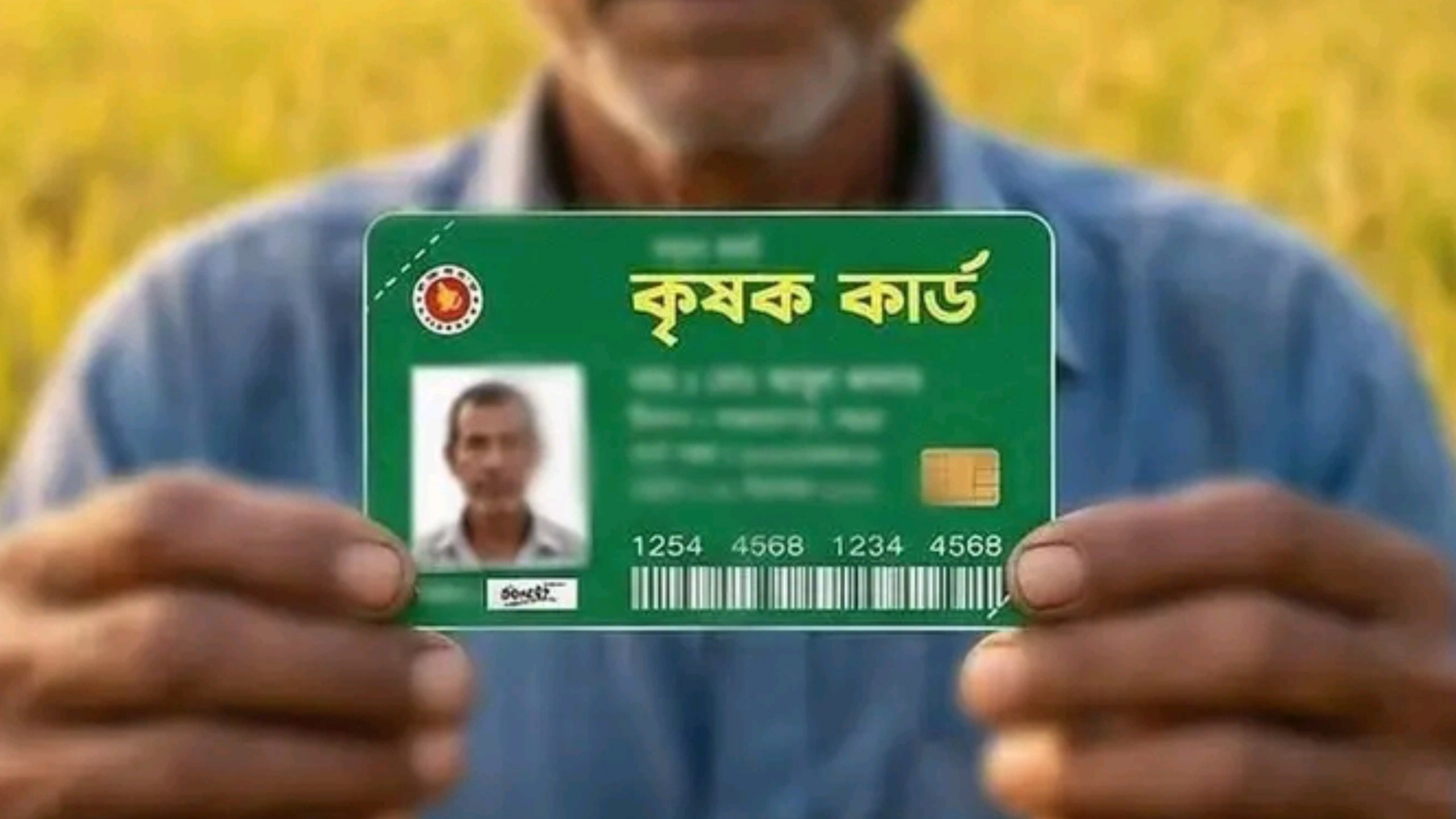
Bangladesh’s agriculture ministry has started distributing the Farmer’s Card, a digital identity card that will consolidate various programs helping farmers into a single system. For farmers in Rangpur and Rajshahi, two divisions where landless and marginal farming is common, the card could change the way subsidies, credit and insurance really get to the field.
The Farmer’s Card: What It Does
The card connects a farmer’s identity with services that used to require separate applications and separate offices. One card is supposed to provide access to fair-price agricultural inputs, irrigation, credit facilities, crop insurance and training programs instead of scattered paperwork. The government has pitched it as a way to formalise who is a working farmer and not just who owns land.
Who is eligible
Landowners are not the only entities eligible. All crop growers, fish farmers, livestock rearers, lease cultivators and sharecroppers are eligible to apply. This is especially true in divisions such as Rangpur and Rajshahi where a large proportion of cultivation is done on leased or sharecropped land and not on land legally owned by the farmer. The card may now open a door for those who have been excluded from formal credit or subsidy programs because they don’t have a land deed.
What Cardholders Really Receive
Landless, marginal and small farmers who have the card get an annual government incentive of 2,500 taka to buy agricultural inputs such as seeds and fertiliser. The card is also being marketed as a necessary document to get agricultural loans in future, potentially making it the standard proof of farming status at bank counters. Alongside the rollout, the government has already waived loans up to 10,000 taka for about 12 lakh small and marginal farmers across the country to begin the next agricultural season without the burden of old debt.
The Status of the Rollout
The program was first tried out on Pohela Boishakh, distributing cards to just over 21,000 landless, marginal and small farmers in 11 upazilas. The coverage is being rolled out in phases, not all at once, so farmers in Rangpur and Rajshahi who haven’t received a card yet, the best thing to do is to check with their local Union Parishad member, chairman or agriculture office for their area’s rollout schedule.
Farmers are eligible if they have National ID and land or tenancy documents and apply through the designated local channel once their upazila opens the application. Given the loan-linked incentives attached to the card, it is worth the trouble to apply early rather than wait until the next planting season to catch up.
Summary
The government’s Farmer’s Card offers subsidies, loan access, and insurance to landless and small farmers. First-phase rollout began in select upazilas. Here’s what Rangpur and Rajshahi farmers need to know about eligibility and benefits.