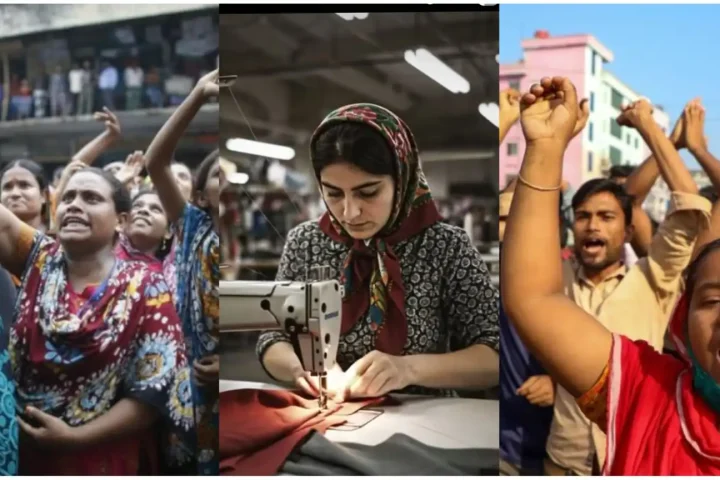

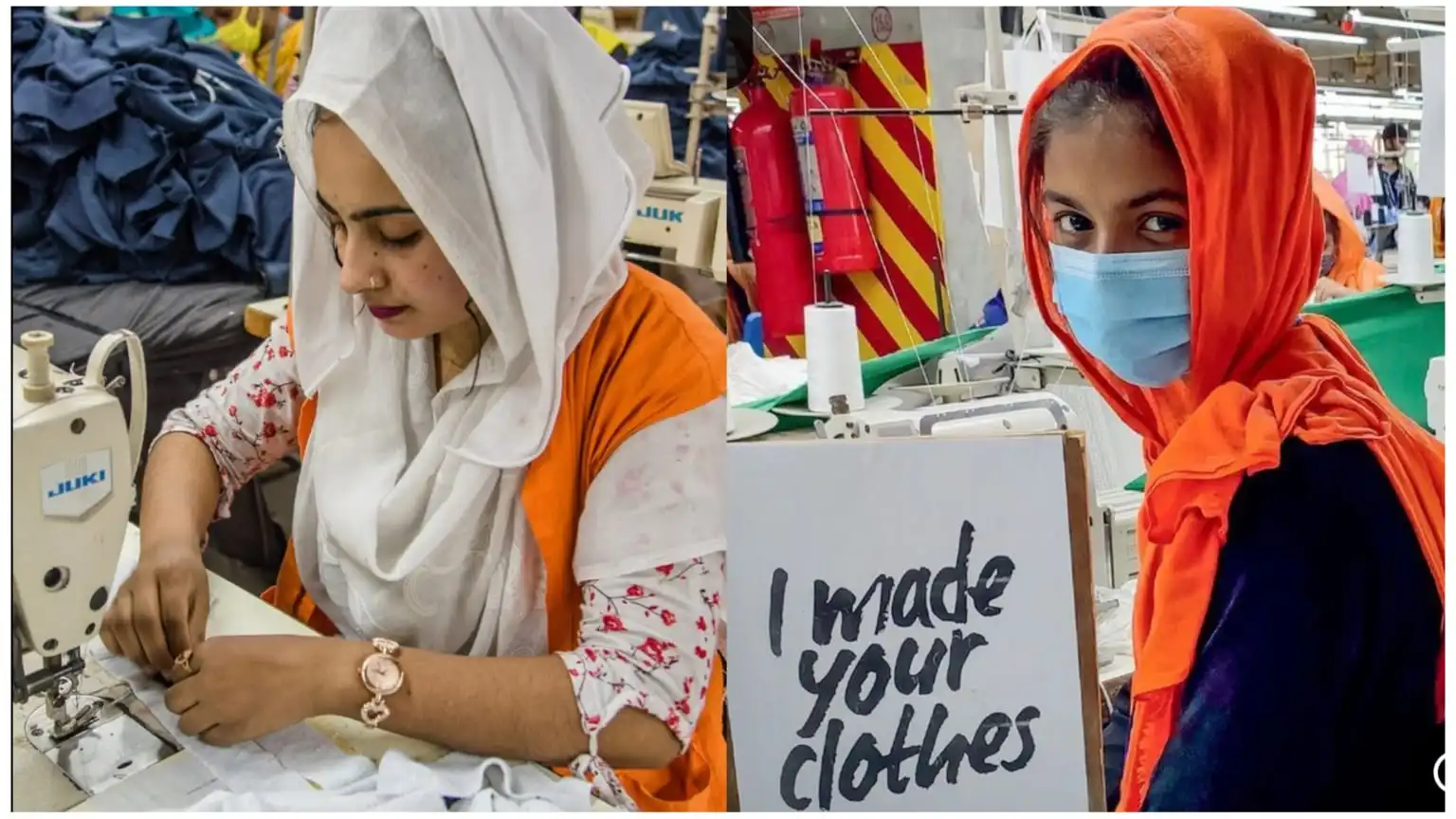
Before dawn each day, Shilpi Khatun lights a wood-fired clay stove because her family cannot afford gas. Then she heads to a factory in Gazipur. After five years in the industry, her pay has risen from Tk 9,000 to Tk 13,500. With overtime, she earns about Tk 16,000, but she told Reuters it rarely lasts until the next payday.
Her story is not unusual. Another worker, a sewing operator in Ashulia, said she thinks twice before buying anything, even food. Workers describe cutting meals and delaying medical care, because rent, food, transport and healthcare keep getting more expensive.
Three Years Without a Revision
The garment minimum wage was last set in December 2023 at Tk 12,500 for the entry grade, with the top worker grade at Tk 15,035. The government later raised the annual increment from 5 percent to 9 percent from December 2024. Even so, workers say that increase has not kept pace with rising prices, and a new hire can still start at the Tk 12,500 floor.
Bangladesh has faced a cost-of-living squeeze since 2022, with inflation averaging around 9 percent. Food prices drove the first surge, but non-food costs have stayed high. Former World Bank economist Zahid Hussain told Al Jazeera that years of inflation have sharply eroded the buying power of low-paid workers.
Long Hours Do Not Close the Gap
Overtime is part of daily life in the industry, and many workers lean on it to get through the month. A recent analysis of four Bangladeshi factories found that base wages stayed below the living-wage benchmarks the researchers used, and that average earnings still fell short even when overtime was counted, despite workers often logging excessive hours. In plain terms, working longer is not lifting many families above the line.
Workers and labour representatives have also raised concerns about delayed or unpaid salaries, dismissals and blacklisting, issues that have fuelled protests in earlier years, too.
The Case From the Factory Side
Manufacturers do not dismiss the problem, but they point to limits. They say workers already receive a 9 percent annual increment and two festival bonuses on top of basic pay. They also argue that a steep rise would erode Bangladesh’s cost advantage over rivals such as India and Vietnam, at a time when energy costs are squeezing margins. Factory owners have also warned about recurring unrest disrupting production and deliveries.
One analysis estimates that a 140 percent rise in the entire wage bill would raise total production costs by roughly 14 to 18 percent before any offsets, a figure that helps explain why both sides see the stakes as high.
What Is the Government Doing?
The government has formed a six-member Minimum Wage Board. Home Minister Salahuddin Ahmed said on 3 November that the board should consider living costs and recommend a wage that improves workers’ standard of living. A 2026 amendment to the Labour Act shortened the wage review cycle from five years to three, but unions argue that an annual review would keep wages closer to inflation.
Workers remain wary. A labour researcher told Al Jazeera that history gives workers little reason to expect change unless they protest, and that a board alone does not meet their demands unless it addresses living costs.
Why It Matters Beyond the Factory Gate
The sector is the backbone of the economy. Garments brought in US$38.70 billion last fiscal year, about four-fifths of merchandise exports, and women make up the majority of the workforce. Unrest has already closed hundreds of factories at different points this month, and it has put pressure on global brands that buy from Bangladesh to share the cost of fairer pay.
The Bottom Line
The question for the wage board is not only what number to pick, but how to share the cost fairly between workers, owners, buyers and the government. If wages keep falling behind prices, the anger on the highways is unlikely to fade. If they rise too fast without support, factories may struggle. A settlement that both sides can live with is the only route back to calm.