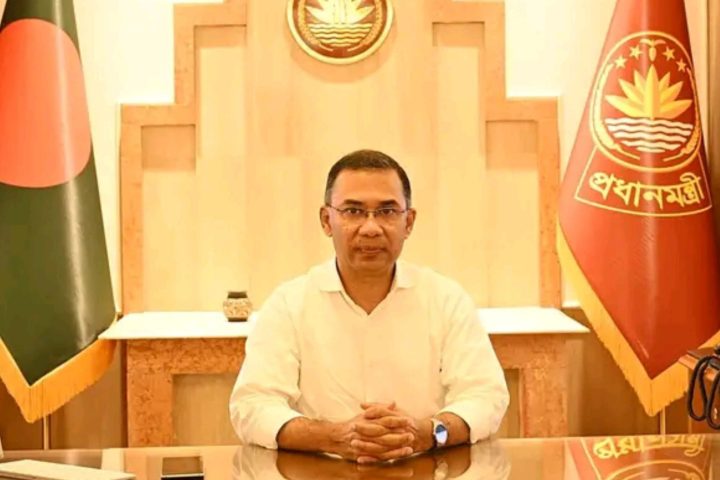
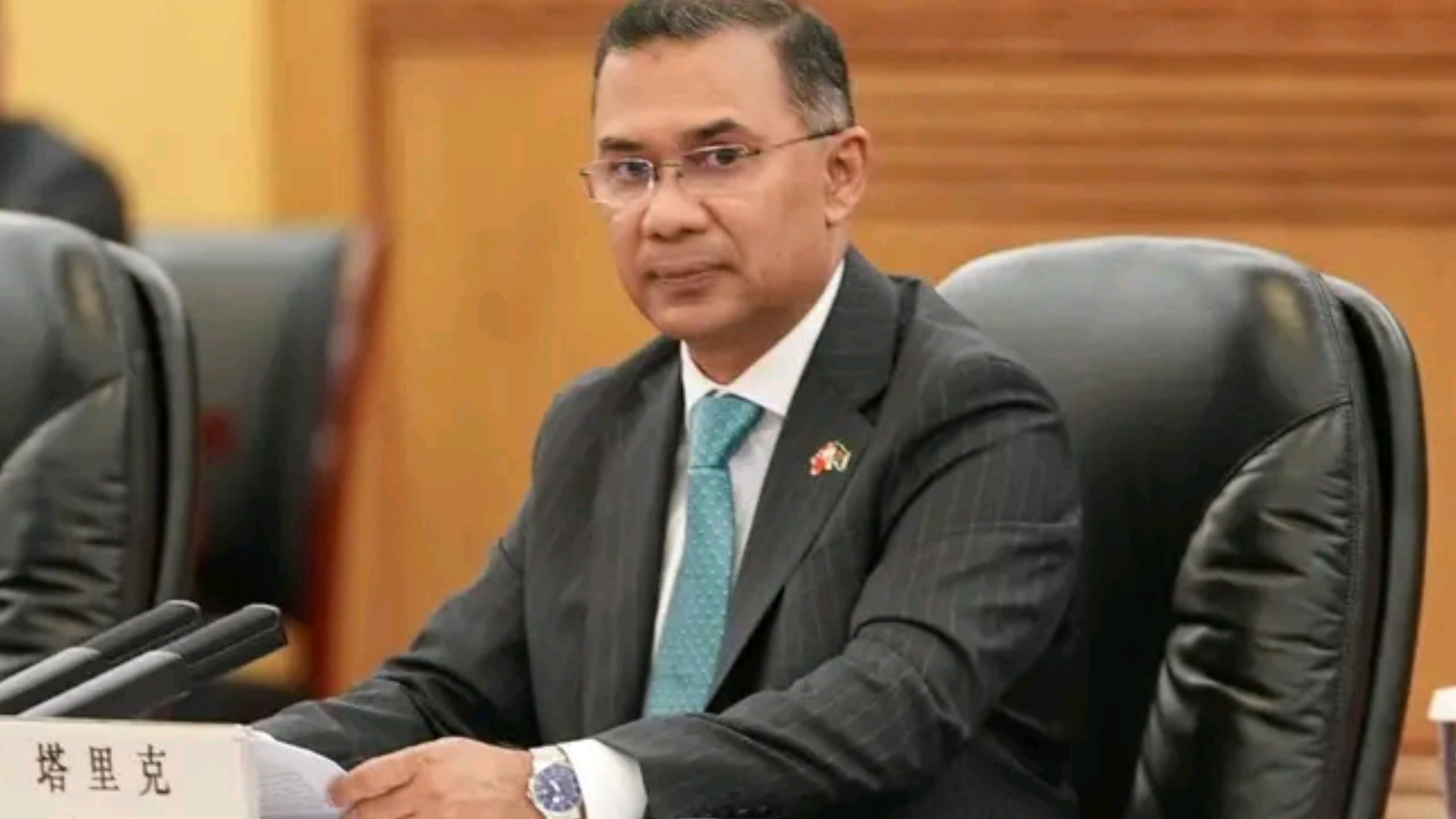
Six months after taking office, Bangladesh Prime Minister Tarique Rahman still has not made his first trip to New Delhi, and the uncertainty around it has become a talking point in itself. India has extended not one but two invitations, a bilateral visit proposed by Prime Minister Narendra Modi back in February and a special guest invitation to the 18th BRICS Summit set for September 12 to 13, in Rahman’s capacity as current BIMSTEC chair. Yet Dhaka has still not confirmed whether, or when, the trip will happen.
Two Invitations, No Confirmed Date
Modi’s initial invitation came within days of Rahman assuming office in February 2026, when the Indian prime minister wrote to congratulate him on BNP’s election win and expressed eagerness to strengthen bilateral ties.
Months later, in early August, India followed up with a separate invitation for Rahman to attend the BRICS outreach session in New Delhi, a notable gesture given that Bangladesh is neither a BRICS member nor an observer. Indian High Commissioner to Bangladesh Dinesh Trivedi has said New Delhi is eagerly looking forward to hosting Rahman and hopes the visit happens soon, though he acknowledged timing is entirely the Bangladeshi prime minister’s call. As of the most recent briefings, Dhaka has still not decided whether Rahman will attend the BRICS session, let alone confirm a standalone bilateral trip.
Why Rahman Has Held Back
Part of the hesitation traces back to Rahman’s choice of destinations earlier in his term. His first official overseas trips as prime minister took him to Malaysia and China, not India, a decision that drew attention in New Delhi, particularly since joint statements from those visits touched on sensitive issues like the Teesta river management plan and Mongla Port, both areas where India has its own stakes.
Dhaka is also understood to prefer working through direct bilateral channels rather than multilateral platforms such as BRICS, which may explain the lukewarm response to the summit invitation specifically, separate from any bilateral visit.
The Hasina Extradition Issue Looms Large
The biggest complication hanging over any Delhi visit is Sheikh Hasina. The former prime minister has remained in India since fleeing Bangladesh in August 2024, and Dhaka has formally requested her extradition to face legal proceedings at home. India has acknowledged receiving the request but has not committed to any timeline for a handover.
The issue was raised again during Trivedi’s recent meeting with Rahman in Dhaka, underscoring that it remains an active irritant rather than a settled matter. Hasina’s continued presence in India, and her recent public statements about the future of the Awami League, add a layer of domestic political sensitivity that Rahman will need to navigate before any high-profile trip to New Delhi.
What A Visit Would Signal
Beyond the optics, a Rahman visit to India would carry real policy weight. The long-stalled Teesta river water-sharing agreement remains one of the most consequential unresolved issues between the two countries, and a breakthrough, or even meaningful movement, would be viewed as a major win for the BNP government domestically.
Renewing the Ganga Water Treaty on favourable terms would similarly bolster Dhaka’s negotiating credibility, particularly against opposition from Jamaat-e-Islami, which has historically taken a more sceptical stance toward India. On the energy front, Rahman has also sought expanded refined oil imports through the India-Bangladesh Friendship Pipeline from Assam’s Numaligarh refinery, cooperation that stalled after Hasina’s ouster and the subsequent friction with the interim government that preceded Rahman’s administration.
Discover More Stories Worth Your Time
Explore Why Colombia Declared Emergency?
Discover what the powerful earthquake means for Colombia and the latest emergency response.
Check Why Jaya’s Sarees Trend?
Discover why Jaya Ahsan’s elegant saree looks continue captivating fans online.
See Where Hasina’s Crisis Leads?
Explore the accountability debate surrounding Hasina, India, and Bangladesh’s political future.
Find Which Airport Hotels Fit?
Discover convenient hotels near Dhaka Airport for short layovers and overnight stays.
A Relationship In Transition
Analysts following the relationship describe the current moment as one of cautious, issue-based engagement rather than a full reset. India has already taken steps to signal goodwill, elevating its High Commissioner in Dhaka to Cabinet Minister rank in the Table of Precedence and resuming tourist visa services for Bangladeshi nationals after a near two-year gap.
Bangladesh Foreign Minister Khalilur Rahman’s three-day visit to New Delhi in April, his first official overseas trip after taking office, was an early sign that Dhaka was not entirely bypassing India despite Rahman’s choice of Malaysia and China for his own first trips. Whether Tarique Rahman’s own visit follows that same cautious, incremental pattern, or becomes a more consequential turning point, will depend heavily on whether Dhaka and Delhi can find enough common ground on Teesta, the Ganga Treaty, and the Hasina extradition question to make the trip worth the political risk on both sides.
The Bottom Line
For now, Tarique Rahman’s first trip to India remains a matter of when rather than if, according to Indian officials, but Dhaka’s silence on both the bilateral invitation and the BRICS summit suggests the timing is being weighed carefully.
With unresolved water-sharing disputes, an unresolved extradition request, and a domestic political landscape still adjusting to a post-Awami League Bangladesh, whenever the visit does happen, it is likely to be read as a signal of where the relationship between the two neighbours is truly headed.