Bangladesh is drafting a National Artificial Intelligence Policy built around human rights, ethics and responsible innovation, as the government works to position the country as a serious participant in regional and global AI governance while updating its wider digital legal framework.
The Announcement in Shanghai
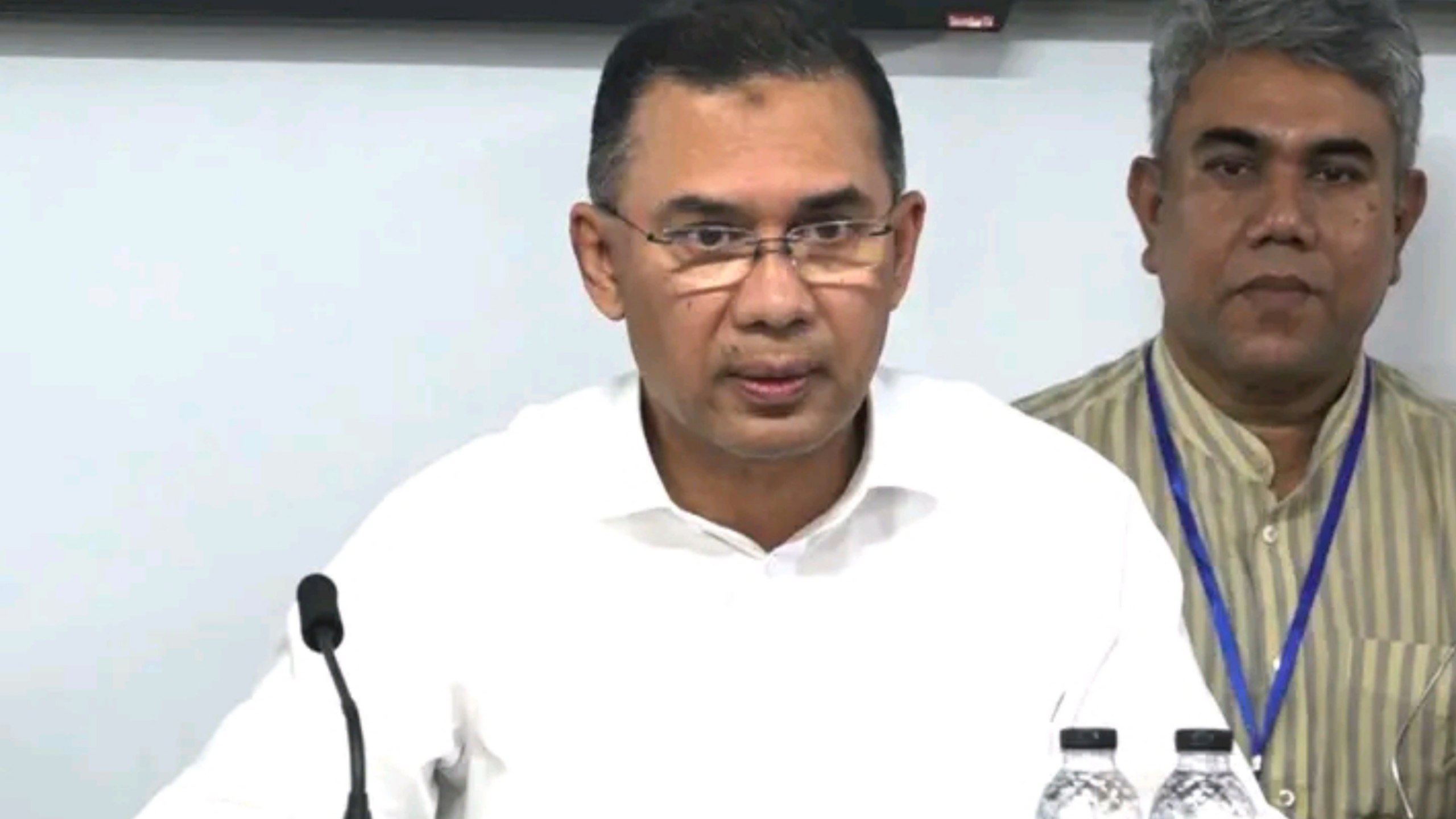
The initiative was outlined by Faqir Mahbub Anam, Minister for Posts, Telecommunications and Information Technology, while representing Bangladesh at the High-Level Meeting on Global AI Governance, held on the sidelines of the World Artificial Intelligence Conference 2026 in Shanghai. The four-day summit, running from July 17 to 20 under the theme “AI Partnership for a Brighter Future,” brought together government leaders, ministers and industry representatives from more than 100 countries.
According to a ministry press statement, the minister said Bangladesh’s AI governance work is being undertaken under the leadership of Prime Minister Tarique Rahman, with the government overhauling the country’s digital policy and legal framework to harness AI for economic and social development while protecting citizens’ rights.
“The future of artificial intelligence should not be measured solely by technological advancement. It must also reflect human values, justice and inclusivity.”
What the Policy Covers
Anam said the government is progressing on an integrated and inclusive National AI Policy alongside several related initiatives, including strengthening personal data protection and cybersecurity, drafting guidelines for AI use in the public sector, establishing responsible data management standards, and incorporating AI-based education into academic curricula.
A draft of the policy document itself, titled the National AI Policy Bangladesh 2026-2030, has already been published by the ICT Division, developed with input from a National AI Policy Steering Committee of experts along with stakeholder consultations. The draft frames the effort as a response to a widening digital divide, noting that while Bangladesh has the sixth largest internet user base in the world and smartphone usage rose sharply between 2023 and 2025, the gap between urban and rural connectivity remains a persistent challenge the policy will need to address.
Bangladesh’s Position on Global AI Governance
Beyond the domestic policy, Anam used the Shanghai meeting to lay out four priorities he said should guide global AI governance: safety, equity, adaptability, and international cooperation. He specifically called for stronger technology transfer and more equitable access to AI tools for developing countries, a theme that has featured prominently in Bangladesh’s broader diplomatic messaging on digital policy this year.
Discover More Stories Worth Your Time
Explore How To Buy Match Tickets?
Discover the easiest steps to secure cricket match tickets in Bangladesh.
Check Where Monsoon Travel Works?
Explore the best places to visit and areas to avoid during Bangladesh’s rainy season.
See Why India Visit Uncertain?
Discover how the Hasina extradition and Hadi murder case could affect Tarique Rahman’s India trip.
Find What Story Comes Next?
Explore what Tanim Noor may bring after Utsab and Bonolota Express.
Learn Why Saudi Invitation Matters?
Discover what the Saudi Crown Prince’s invitation could mean for Tarique Rahman’s upcoming visit.
Why This Matters
The policy push comes at a moment when Bangladesh’s ready-made garments sector, long the backbone of its export-led economy, faces structural pressure from automation, adding urgency to the government’s efforts to build a coordinated national approach to AI rather than leaving adoption to individual ministries and private companies. Whether the draft policy translates into an enforceable regulatory framework will depend on how quickly the ICT Division moves from consultation to legislation, and how effectively the government manages to close the digital divide the policy itself identifies as one of its central challenges.
Summary: Bangladesh is formulating an integrated National Artificial Intelligence Policy centred on human rights, ethics and inclusive development, ICT Minister Faqir Mahbub Anam announced at the World Artificial Intelligence Conference 2026 in Shanghai. The policy, being drafted under Prime Minister Tarique Rahman’s government, is part of a wider reform of the country’s digital laws covering data protection, cybersecurity and AI use in the public sector.
Highlights:
- July 17-20, 2026: World Artificial Intelligence Conference held in Shanghai under the theme “AI Partnership for a Brighter Future”
- Faqir Mahbub Anam, Minister for Posts, Telecommunications and Information Technology, represents Bangladesh at the High-Level Meeting on Global AI Governance
- Minister announces Bangladesh is formulating an integrated, inclusive National AI Policy under PM Tarique Rahman’s leadership
- Draft National AI Policy 2026-2030 document already published by the ICT Division, developed with a National AI Policy Steering Committee of experts
- Bangladesh proposes four global priorities: safety, equity, adaptability and international cooperation on AI