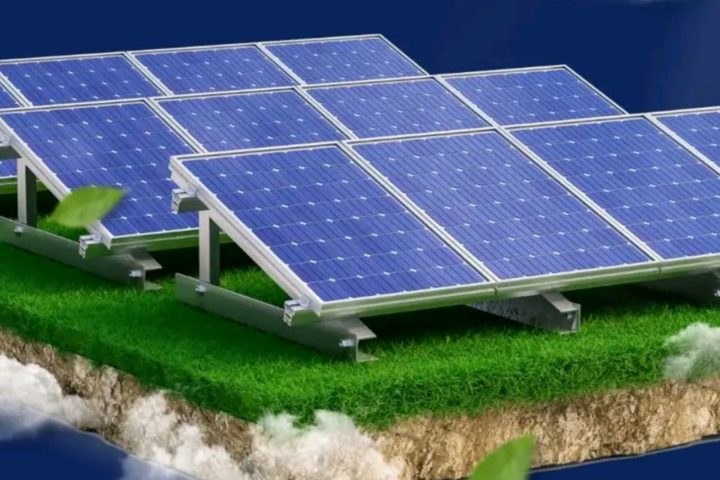
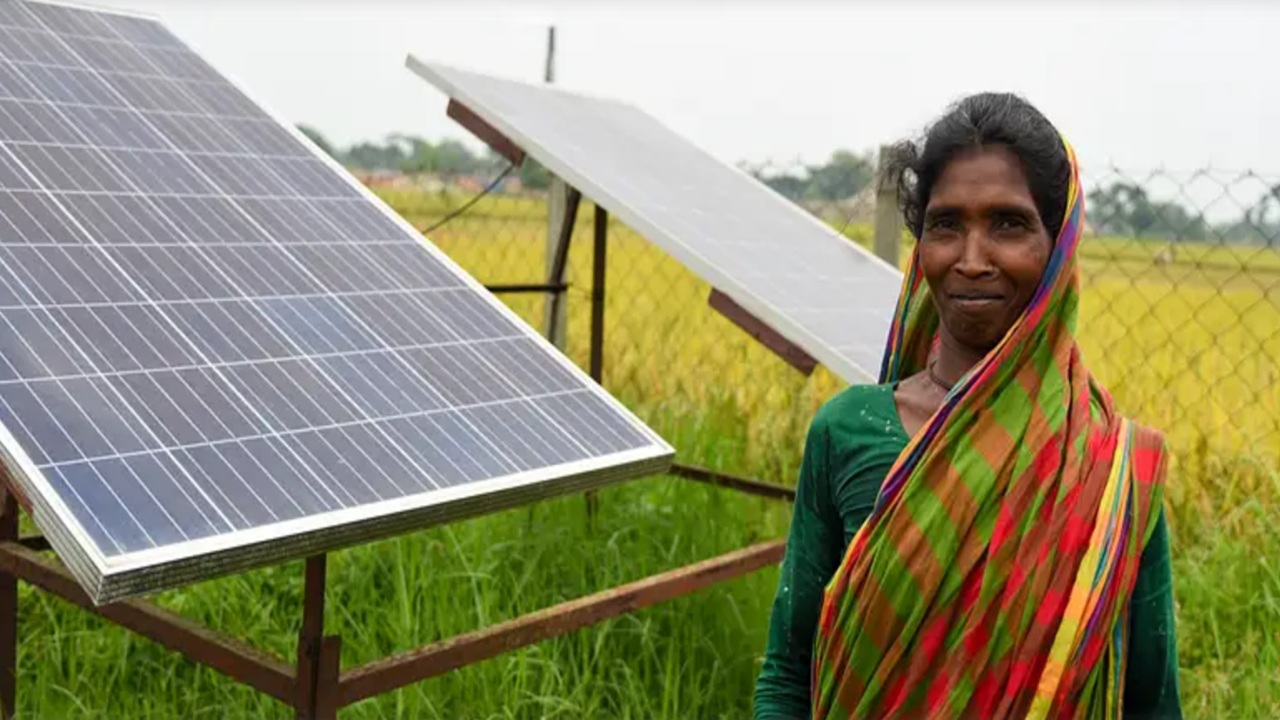
Bangladesh is facing some of its worst power shortages in years. Gas supplies are tight, and conflict in the Middle East has pushed up the cost of imported fuel. Solar offers a faster fix than most options, since rooftop panels can be installed in weeks and do not need large amounts of land.
What the Government Has Offered
In June, the government announced duty and tax exemptions on panels, inverters and batteries, along with a zero tax rate for the solar sector until 2035. In September came the rooftop scheme: Tk 10.50 per unit for surplus electricity sent to the grid, with a cost cap of Tk 8 per unit for systems that include batteries. It is the most serious solar push the country has made, especially after missing its earlier renewable target for 2020.
Where the Doubts Begin
Even supporters say an attractive tariff does not guarantee a rush of installations. The sign-up window closes in February 2027, leaving families little time to arrange money and equipment. The price guarantee lasts only three years, while panels and batteries are meant to last much longer, and lenders usually want a longer horizon. Grid wheeling charges, listed at roughly Tk 0.46 to Tk 0.79 per unit depending on voltage, can also eat into solar’s advantage.
Who Gets Left Behind
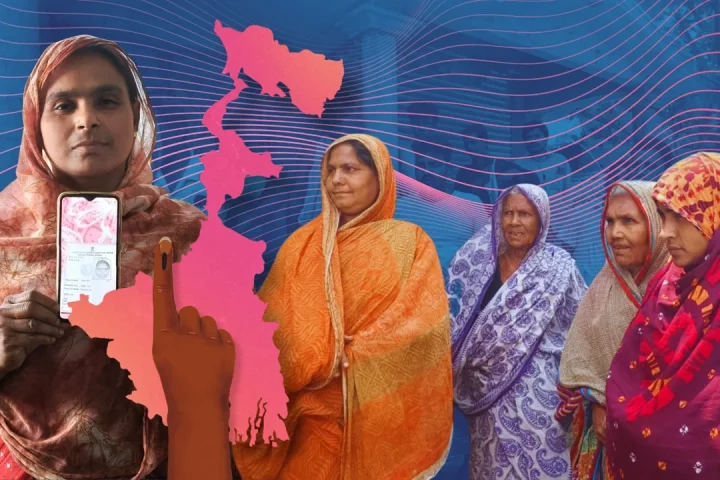
Much of the package favours companies building solar for industry, including garment factories. That makes sense, but nearly 70 per cent of Bangladeshis live in rural areas. Experts say rural homes alone could host at least 5,000 MW of solar. Without easier loans or shared community projects, smaller consumers may miss out.
What It Will Take
Longer policy certainty, a grid that can handle two-way power flow, affordable finance for households, strict equipment standards and quick approvals will matter as much as the headline price. Local manufacturing of panels and batteries could also bring costs down.
So, will incentives be enough? On their own, probably not. They have opened the door, but success depends on how well the gaps are fixed and how many ordinary people can step through.