Eating well for your heart doesn’t mean you have to give up the flavours you grew up with. Many of the everyday ingredients used in Bangladeshi cooking – lentils, fish, vegetables and whole spices – are naturally heart-friendly when prepared the right way. You can make a small change that can make a big difference for your heart in the long run. Swap heavier oils for lighter ones, choose lean fish and add more fresh salads to your plate, and you’ll turn familiar dishes into better choices. Here are five simple recipes to make at home.
1. Posto Fish Bhuna With Olive Oil
A lighter take on a Bengali classic. Now take a lean and firm fish and marinate it with turmeric and salt for a short time. Instead of the traditional mustard oil, use a little olive oil to fry the fish.
Grind mustard seeds and poppy seeds (posto) with a little water and green chilli, and cook the fish gently in this paste with onions and tomatoes. This dish is heart-friendly and full of flavour: the olive oil has a healthier fat profile, and the hilsa fish provides omega-3s. Use as little oil as possible; let the mustard-poppy paste do the heavy lifting for the richness.
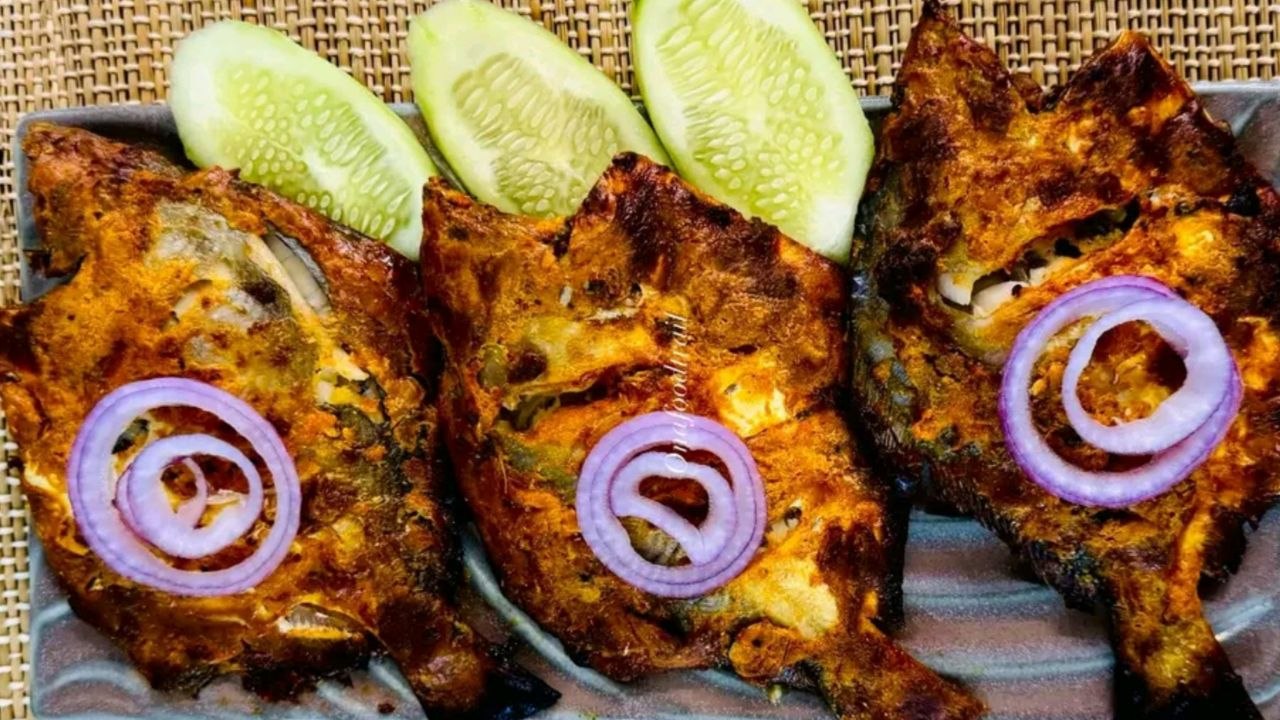
2. Grilled Baked Tandoori Fish (Pomfret Or Bhetki)
Use a lean white fish for this dish, such as pomfret or bhetki. Both are good sources of lean protein and have less fat than the oilier fish.
Marinate the fillets in a mixture of yoghurt, ginger-garlic paste, lemon juice and a mixture of spices such as cumin, coriander and paprika and grill or bake until cooked through. This technique seals in flavour without the addition of oil and results in a protein-rich dish that makes a tasty light lunch or dinner with a crunchy salad.
3. Lightened-Up Egg Salad
When thoughtfully prepared, boiled eggs are an affordable, protein-rich addition to a heart-conscious diet.
Dress with lemon juice, a touch of black pepper and a drizzle of olive oil instead of mayonnaise. Chop boiled eggs and toss with finely diced onion, tomato, cucumber and coriander leaves. This gives you the protein benefits of eggs but less of the saturated fat that comes with heavier, mayonnaise-based versions.
4. Raw Mango and Cucumber Salads
Two refreshing low-calorie salads that go with any main course. For a simple cucumber salad, toss the sliced cucumber with lemon juice, a pinch of salt, chopped green chilli and a few mint or coriander leaves.
For a raw mango salad, mix julienned raw mango with roasted peanuts, a touch of mustard oil, chilli and a little sugar to balance the tartness. Both are naturally low in fat, high in fibre and water content and help add volume and freshness to a heart-healthy meal without any extra calories.
5. Fresh Fruit Salad
One of the easiest ways to help your heart is to eat a bowl of seasonal fruit. Combine fruits such as papaya, guava, apple, orange segments and pomegranate seeds and top with a squeeze of lemon juice and a light dusting of chaat masala if you like a little tang.
Fruits contain fibre, potassium and antioxidants that can help to keep blood pressure and cholesterol in check. This salad can also be served as a light dessert or mid-day snack.
Discover More Stories Worth Your Time
Explore Avengers’ Box Office Journey?
Discover how Avengers: Endgame performed worldwide, including domestic and re-release earnings.
Discover 5 Hilsa Recipes To Try?
Explore five delicious ways to enjoy Bangladesh’s iconic hilsa before the season ends.
See How Cox’s Bazar Airport Expands?
Learn how the new terminal supports Bangladesh’s growing aviation ambitions and regional connectivity.
Uncover What Happens After Islands?
Discover how mangroves could become the first colonisers when new land emerges in the Sundarbans.
Check Why Rooppur Shipment Was Disrupted?
Explore how Pakistan’s airspace clearance decision affected the planned nuclear fuel shipment to Bangladesh.
Heart-Healthy Kitchen: Home Cooking Tips
Choose olive oil or a little mustard oil for day-to-day cooking instead of ghee or vanaspati. Choose lean fish like bhetki and pomfret instead of the oilier, fattier cuts of meat. Most dishes taste just as good grilled, baked and lightly sautéed as they do fried, and adding in fresh salads – vegetable or fruit – gives you fibre and nutrients without weighing down the plate. You don’t have to ditch the foods you love with any of these changes; just cook and pair them a little differently.
These recipes show that heart-friendly eating in Bangladesh can be tasty and exciting. A few mindful swaps, and a few colourful, fresh salads on the side that do a little more for your health, mean everyday dishes don’t have to lose their deliciousness.
FAQs
1. Do I have to give up mustard oil completely to keep my meals heart-healthy?
No, you do not have to eliminate mustard oil completely. While extra virgin olive oil is recommended for daily low-heat cooking or dressings due to its heart-friendly monounsaturated fats, mustard oil can still be used in moderation for its distinct flavour and beneficial fatty acid profile. The key is using small amounts rather than deep-frying.
2. Can I eat eggs every day if I am watching my cholesterol?
Yes, for most healthy individuals, eating eggs in moderation (about 1 whole egg per day) fits well into a balanced, heart-healthy diet. Egg whites can be eaten more freely as they contain no cholesterol. Lightening up egg salad with lemon juice and olive oil instead of mayonnaise helps keep saturated fat low.
3. Which fish available in Bangladesh are best for heart health?
Lean white fish like Bhetki, Pomfret, and Pabda are great options for keeping saturated fat low. Fish like Ilish (Hilsa) and Rui are rich in heart-healthy omega-3 fatty acids, but because they are higher in total fat, baking, grilling, or light bhuna preparations are preferable to heavy deep-frying.
4. Are spices bad for heart health or high blood pressure?
No, natural whole spices like turmeric, cumin, coriander, ginger, and garlic are rich in antioxidants and anti-inflammatory compounds that support cardiovascular health. The main concern with spices in traditional cooking is the high amount of salt and oil often added alongside them, so controlling sodium and oil usage is key.
5. How can I make traditional Bangladeshi curries less fatty without sacrificing taste?
You can reduce cooking oil by half and rely on aromatics like onions, tomatoes, ginger-garlic paste, and yoghurt or poppy seed (posto) pastes to build thick, flavorful gravy. Pan-searing or grilling ingredients before adding them to a simmered curry also develops deep flavor without needing excess oil.