
Bengali food is famous for its fish, sweets and rich mustard flavours. But behind the popular dishes lies a quieter side of our cuisine, made up of humble, seasonal recipes that grandmothers cooked with great skill. Today, with busy routines and ready-made food, many of these dishes are rarely made at home. Here are 10 flavours worth bringing back.
1. Dhakai Bakarkhani, the Aromatic Layered Flatbread
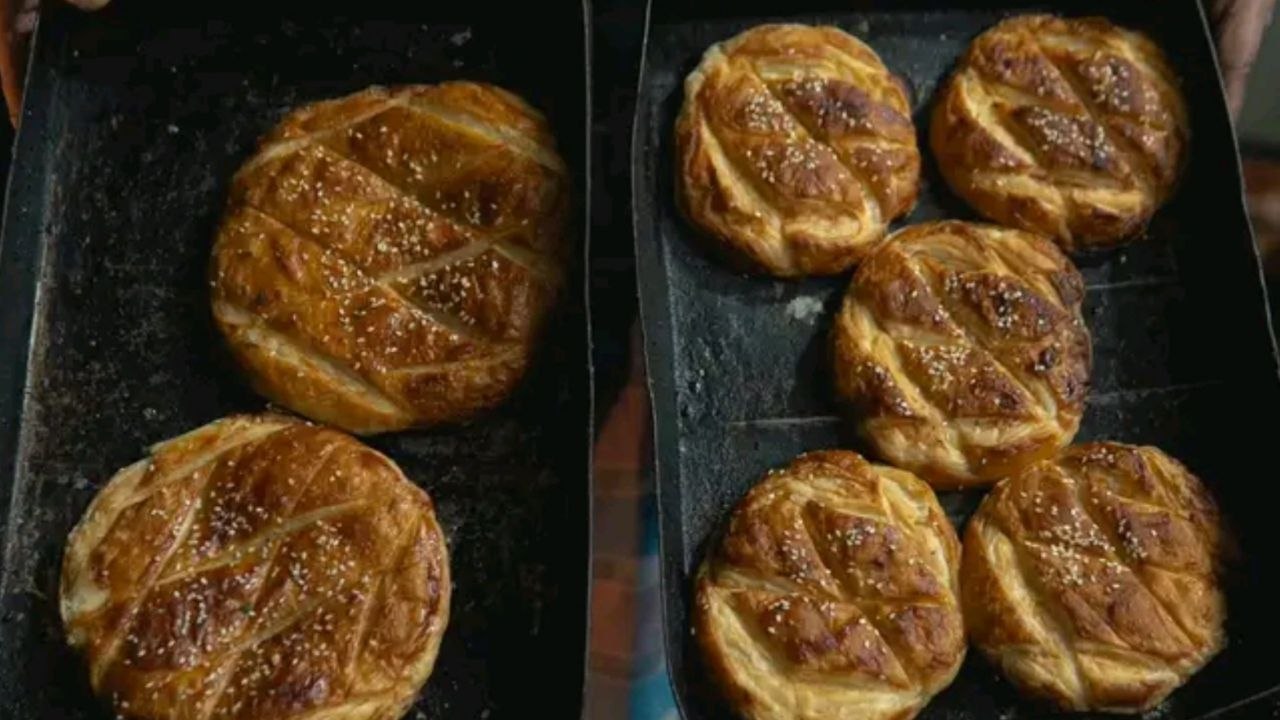
Dhakai Bakarkhani is a thick, crisp, and multi-layered flatbread deeply rooted in the culinary heritage of Old Dhaka and traditional Bengali cuisine. Made from a dough of wheat flour, ghee or oil, and milk, the dough is repeatedly stretched, layered with fat, and sprinkled with flour—similar to puff pastry—before being baked in a traditional clay tandoor.
What makes Bakarkhani special is its unique texture: a dry, flaky outer crust that breaks into rich, buttery layers, carrying a subtle aroma of ghee and cardamom. Unlike typical flatbreads, authentic Dhakai Bakarkhani is dry and unsweetened (or mildly salted), making it a perfect pairing for hot spiced tea (cha), rich mutton or beef stew, or sweet condiments like halwa.
2. Goyna Bori, the Artful Lentil Cracker
Goyna Bori (also known as Gohona Bori) is a traditional edible art form in Bengal. Made from fine black gram (biulir dal) paste, poppy seeds (posto), and subtle spices, these delicate sun-dried lentil crackers are piped into intricate, jewellery-like patterns resembling traditional Bengali ornaments like necklaces, earrings, and bangles.
What sets Goyna Bori apart is not just its crisp texture when deep-fried, but the skill and patience required to craft each design by hand using a cloth cone. Traditionally prepared by women before winter, they are dried over a bed of poppy seeds to prevent sticking and add a subtle nutty crunch. Deep-fried in mustard oil and served alongside hot rice, dal, or vegetable curries, Goyna Bori offers a perfect blend of rich heritage and satisfying crunch.
3. Thor Ghonto, the Banana Stem Curry
Banana stem may sound unusual, but it is a traditional Bengali ingredient valued for its fibre and light taste. Finely chopped and cooked with coconut, lentil dumplings or a pinch of sugar, thor ghonto is a simple dish that shows how Bengali kitchens wasted nothing.
4. Taaler Pithe, the Monsoon Palm Treat
Taaler Pithe is a traditional Bengali delicacy prepared using the rich, golden pulp extracted from ripe sugar palm fruits (taal). Mixed with rice flour, grated coconut, and jaggery or sugar, the batter is shaped into small cakes or fritters and either deep-fried (taaler bora) or steamed. Deeply tied to the monsoon season and festivities like Janmashtami, this fragrant seasonal treat requires time and effort to process the palm pulp, making it a rare homemade sight in modern kitchens.
5. Shukto, the Bitter Sweet Starter
Shukto is a gentle mix of vegetables such as raw banana, drumstick, brinjal and bitter gourd, finished with a light milk and ginger sauce. It is traditionally eaten at the start of a meal to wake up the appetite. Many households now skip it because it needs several vegetables, but its balance of bitter and sweet is truly special.
6. Kochur Loti, the Taro Stolon Curry
Kochur loti, made from taro stolons, is a classic dish often cooked with prawns or a coconut and mustard paste. It has a unique earthy taste that is hard to find in modern restaurants. Because the stolons need careful cleaning and are not always easy to find, the dish is slowly disappearing.
Discover More Stories Worth Your Time
Explore Avengers’ Box Office Journey?
Discover how Avengers: Endgame performed worldwide, including domestic and re-release earnings.
Discover 5 Hilsa Recipes To Try?
Explore five delicious ways to enjoy Bangladesh’s iconic hilsa before the season ends.
See How Cox’s Bazar Airport Expands?
Learn how the new terminal supports Bangladesh’s growing aviation ambitions and regional connectivity.
Uncover What Happens After Islands?
Discover how mangroves could become the first colonisers when new land emerges in the Sundarbans.
Check Why Rooppur Shipment Was Disrupted?
Explore how Pakistan’s airspace clearance decision affected the planned nuclear fuel shipment to Bangladesh.
7. Posto Bora, the Poppy Seed Fritters
Posto bora is a crisp fritter made with ground poppy seeds, green chillies and a little onion or coconut. It is a humble side dish that turns plain rice and dal into a full feast. Once a regular on Bengali plates, it is now mostly seen in festive menus.
8. Narkel Naru, The Classic Coconut Ladoo
Narkel naru is a traditional Bengali sweet made by slow cooking grated coconut with jaggery (nolen gur or khejurer gur) or sugar and then rolling it by hand into small round balls.
Making these sweets together at home was a family tradition that we loved, and once they were an essential part of every household’s Pujas, Kojagari Lakshmi Puja and Bijoya Dashami. With today’s fast-paced world and store-bought sweets easily available, fewer families make traditional naru at home.
9. Traditional Crescent Sweet – Paraki Mishti
Paraki or Pur Pitha is a traditional Bengali dessert made with a delicious mixture of grated coconut, khoya and cardamom wrapped in a fine skin of refined flour and deep-fried to a golden crisp.
These are crescent-shaped and are often dipped in light sugar syrup. It used to be a festive food on Bijoya Dashami and Lakshmi Puja. Their shaping and frying are a slow and careful process, and they are now superseded by quick shop-bought sweets.
10. Pithe and Other Winter Treats
The pithe season of Poush Sankranti is another tradition fading from many households. Patishapta, chitoi pitha, bhapa pitha and puli pitha need rice flour, coconut, date palm jaggery and a lot of family hands. Making them together was once a joyful ritual, and the sweet smell of nolen gur filled the whole house.
How to Bring These Dishes Back
You do not have to cook them all at once. Start with one dish each month, and ask an elder at home for their version. Write the recipes down, because many of them were never recorded. Buy seasonal ingredients from local markets, and cook with family so children learn the stories along with the flavours.
Forgotten recipes are not just food. They carry memory, community and a way of living close to the seasons. Cooking them again keeps Bengal’s culinary heritage alive for the next generation.
FAQs
1. Why are these traditional Bengali recipes vanishing from modern kitchens?
Many traditional Bengali recipes need elaborate prep work like cleaning, peeling and fine chopping of unique ingredients like banana flowers (mocha), banana stems (thor) or taro stolons (kochur loti). Busy modern routines, smaller families and easy access to convenience foods have resulted in these time-consuming recipes being cooked less often.
2. Why is raw jackfruit (Echor) a good substitute of meat?
Raw jackfruit has a dense, fibrous texture that closely replicates the chew and feel of meat when slow-cooked. Simmered with potatoes, ginger paste and aromatic spices in an Echorer Dalna, it takes in the rich flavours, earning it the traditional moniker “vegetable meat” (gach patha) in Bengal.
3. Is shukto served at the start or end of a meal?
Shukto is strictly a starter, served at the very beginning of a traditional multi-course Bengali meal. Its slight bitterness helps to clear the palate and stimulate the digestive juices, getting the stomach ready for richer dishes like fish curries and dals.
4. Are these traditional foods good and nutritious?
Yes, many Bengali dishes that are forgotten are very healthy. Ingredients such as banana stem (thor) and taro stolons (kochur loti) are high in dietary fibre and essential minerals. Starters like Neem Begun and Shukto contain bitter plants that are beneficial in natural ways for digestion and medicine.
5. How can I make the preparation of labour-intensive recipes like Mochar Ghonto or Dhokar Dalna easier?
You can make the prep in steps over two days. For example, clean and chop the mocha (banana flower) or soak and grind the dal for dhoka the day before. Alternatively, we can pressure cook vegetables like mocha or thor, which shortens cooking time and preserves their unique flavour and texture.