

Winter in Bangladesh is a season of mustard fields and vegetable plots. Now a new crop is joining them: flowers that once belonged to Dutch gardens and Kashmiri hillsides. Farmers in Bagerhat and Gazipur have started planting lilies and tulips from Dutch bulbs, and they are finding that the cool months can pay off in colour and cash. What began as small experiments is drawing the attention of seed companies, researchers and neighbouring growers.
Liliums Take Root in Bagerhat
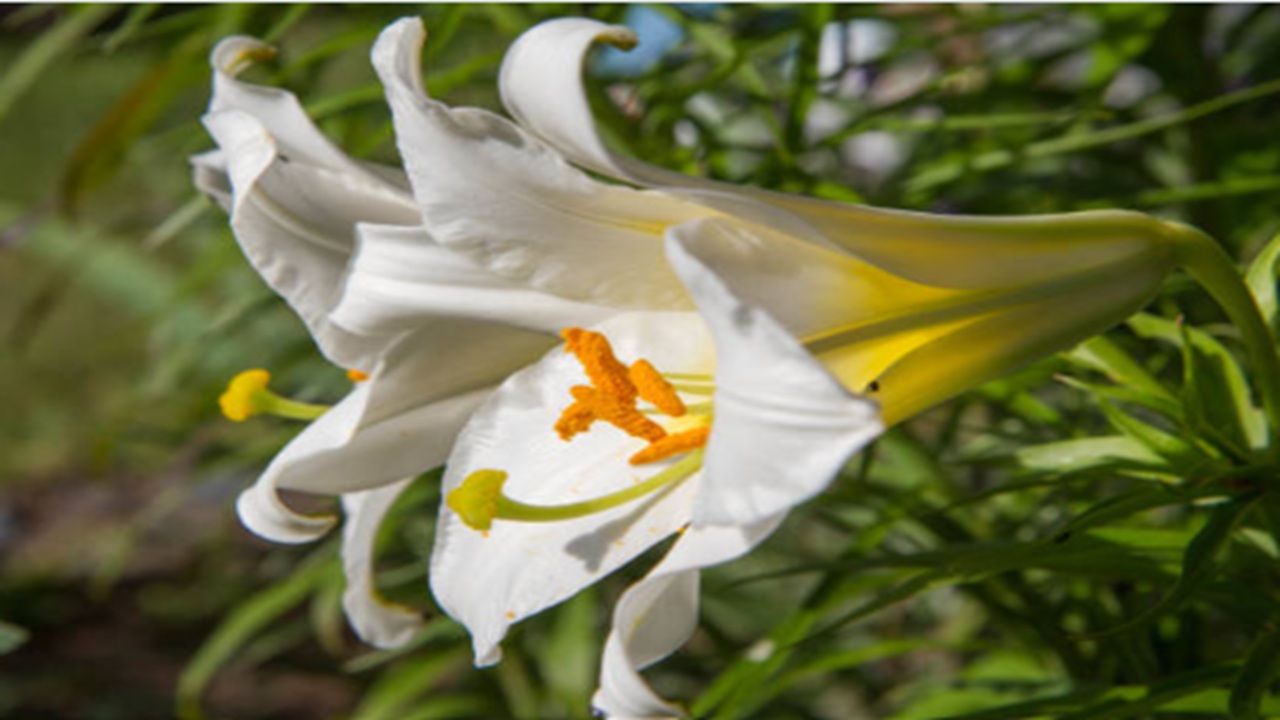
Lilium is a winter-flowering plant native to colder regions, yet it is proving adaptable to Bangladesh’s climate. In Bagerhat, nursery owner Faisal Ahmed decided to try it, drawn by its fragrance and its commercial demand. He obtained 200 bulbs of two varieties from the Netherlands through the seed company Lal Teer and planted them for experimental cultivation. Some plants produced up to seven flowers each.
Strong Market Demand
Faisal said there is strong demand for lilium in Bangladesh’s flower markets. Reports say each flower can sell for up to Tk 350. The sight of the foreign blooms in his nursery has sparked interest among local farmers, many of whom are now eager to start cultivating them.
Seed Companies and Researchers Step In
Lal Teer imports lilium bulbs from the Netherlands. According to its Khulna regional manager, Zunnun Rahman, the company gave free bulbs to 15 entrepreneurs for trials and set up demonstration plots in 11 districts. The Bangladesh Agricultural Research Institute (BARI) was the first to research lilium cultivation here. It is now producing bulbs and giving entrepreneurs information on bulb production and storage. The Department of Agriculture also sees potential to spread lilium farming across the country.
Tulips Bloom in Gazipur
In Gazipur’s Sreepur upazila, farmer Delwar Hossain brought 1,000 tulip bulbs from the Netherlands and planted them in his garden, named Moumita Flowers. Tulips usually need cold winters, but his garden bloomed and became a local attraction. Bangladesh has been meeting local demand by importing tulips from the Netherlands, India and China. Delwar says imported tulips sell for Tk 700 to 800 per hundred pieces, so selling locally grown ones at Tk 400 to 500 per hundred could still bring farmers large profits. He reports earning a profit of Tk 40 lakh and creating jobs for 30 people.
Where Next for Winter Flowers
Delwar believes northern districts such as Panchagar, with their colder winters, would suit tulips best. He has offered help and bulb supplies to anyone who wants to try. The wider lesson is that imported bulbs can open a winter income stream that fills a gap in the farming calendar.
What Farmers Should Keep in Mind
These are early experiments, not yet proven at scale. Newcomers should start small, get technical advice and test their local conditions before investing heavily.