
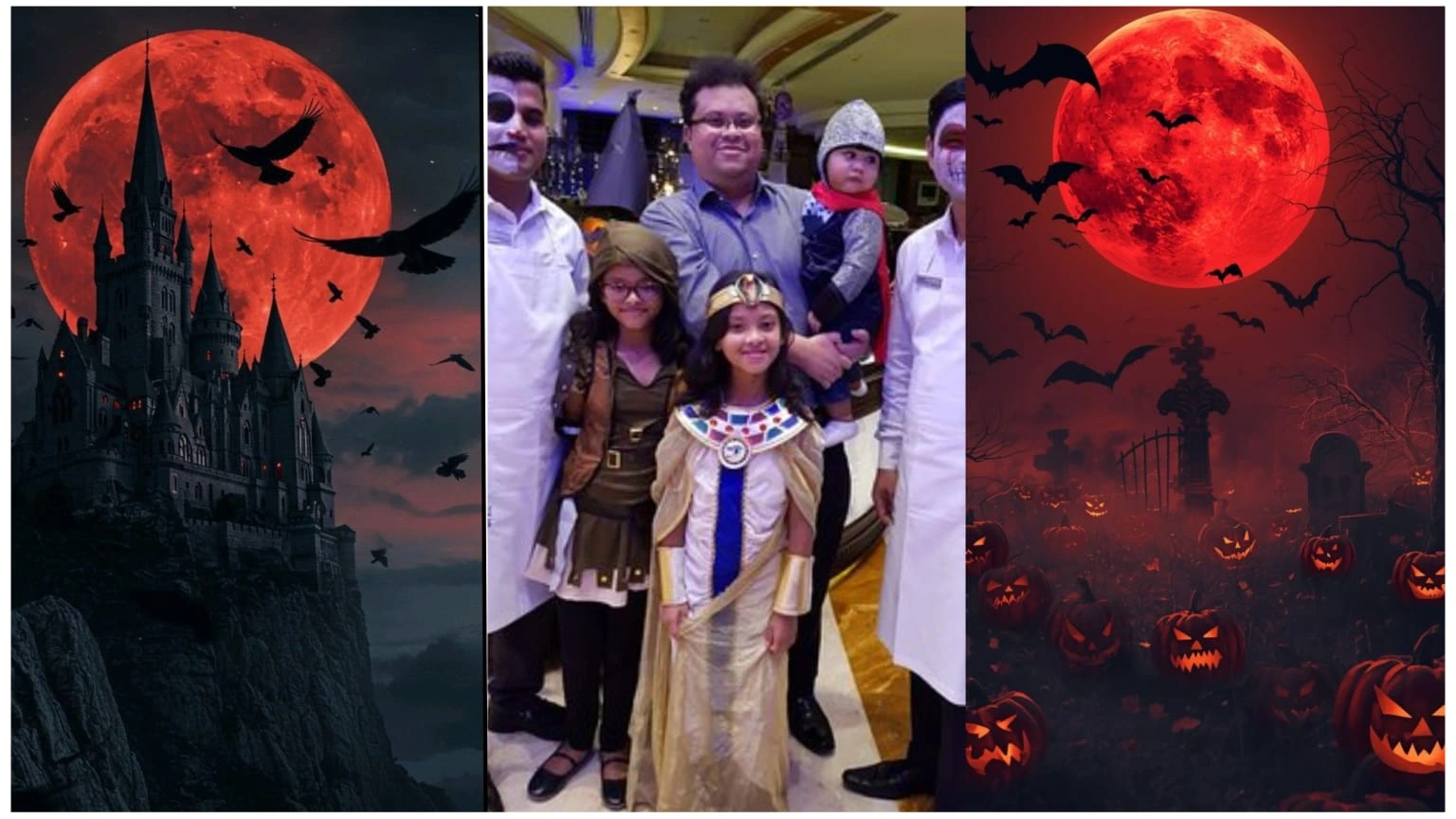
Halloween is not a traditional festival in Bangladesh, but Dhaka’s young creative crowd has made it their own. This season, music venues, art spaces and cafés across the capital went spooky with a mix of live performances, themed exhibitions and costume nights for the city’s growing alternative scene.
Live Bands Make the Atmosphere
Live music topped the lineup. Local rock, metal, indie and fusion artists were hosted by venues and cafes, often with themed setlists and dark atmospheric stage design. Organisers say the appeal is simple: Halloween gives bands and audiences a chance to try new things, dress up and have a night that feels different to a regular weekend gig.
The trend is driven by younger audiences, particularly university students and young professionals. From classic ghosts and witches to cartoon characters and homemade horror looks, costumes varied, with social media doing much of the promotion.
Art Galleries Get Spooky
Art spaces entered the fray with exhibitions and installations based on mystery, folklore and the macabre. Visitors encountered dark-toned paintings, photography, sculpture and immersive displays that drew from global Halloween imagery as well as Bengali ghost stories, from the bhoot and petni to village legends of haunted banyan trees and abandoned mansions.
It’s this mix of local and global that makes Dhaka’s celebrations special. Artists are not wholesale copying Western traditions, but are merging them with the region’s own supernatural storytelling.
Cafés and Pop-Ups Drive the Buzz
Popular neighbourhoods’ cafés and restaurants, stages and galleries served up themed menus, decorated interiors and costume contests. The entertainment was accompanied by pop-up markets featuring handmade crafts, spooky accessories and horror-inspired merchandise from small creators, giving independent artists a platform.
A Subculture in the Making
Halloween in Dhaka is still niche and not everyone is on board. But its growth also reflects a broader shift in the city’s youth culture, where music, art and social media are creating new communal spaces for self-expression. For many of the organisers, the aim is less about the holiday itself and more about giving the city’s creative community a stage.
Discover Folk Culture With Bangla Pulse
1. Where are Baul festivals celebrated in Bangladesh during winter?
Baul festivals are celebrated in different parts of Bangladesh, including Kushtia and Sylhet, where folk music, spiritual traditions and cultural gatherings bring communities together. Read more about Baul festivals in Kushtia and Sylhet during winter.
2. Why is Kushtia famous for Baul music?
Kushtia is closely associated with Baul traditions and the legacy of Lalon Shah, whose songs explore humanity, spirituality and the search for truth. Discover more about Baul festivals in Kushtia and Sylhet during winter.
3. What can visitors experience at a Baul festival in Bangladesh?
Visitors can experience live folk performances, traditional instruments, spiritual songs and gatherings that celebrate Bengal’s musical heritage. Explore our guide to winter Baul festivals in Kushtia and Sylhet.
4. Why are Baul songs important to Bengali culture?
Baul songs express ideas about humanity, love, spirituality and inner freedom. Their distinctive musical style and philosophical themes have made them an important part of Bengal’s cultural heritage. Learn more about Baul festivals in Kushtia and Sylhet.
5. Is winter a good time to explore Baul culture in Bangladesh?
Winter can be a rewarding time to explore Baul culture, as cultural gatherings and folk music events may take place in different regions. Visitors should check local festival dates before travelling. Read our guide to Baul festivals in Kushtia and Sylhet during winter.