
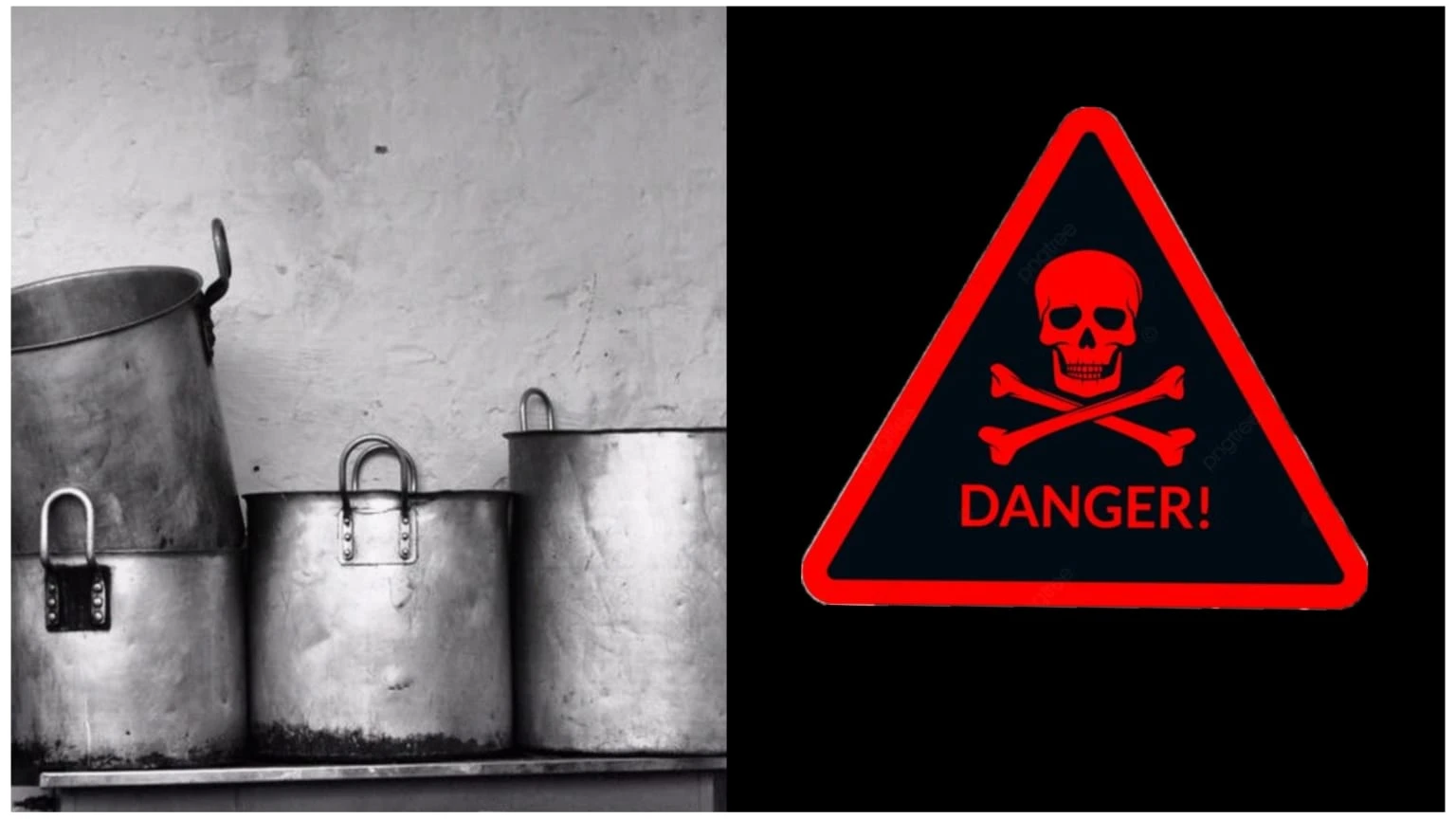
Many families use very cheap shiny aluminium cookware to cook with every day. However, during a global study involving testing 113 mostly new recycled aluminium pots items from 25 low and middle income countries, most were found to have lead contamination. Some had high levels of lead being leached into mock food, meaning that children may exceed the World Health Organisation’s action levels for lead in their blood. As lead can cause damage to developing brains this is a serious issue in the kitchen.
Why do Recycled Aluminium Cookware Items Contain Lead?
Often small workshops melt down old car radiators, engine parts, tins and e-waste to make cookware. When researchers analysed aluminium cookware from Ghana, they found that different sources of scrap aluminium would produce different metals. None of the cookware was completely lead free. They found lead, cadmium and nickel.
Cast cookware (poured into a mould) contained higher amounts of lead than cookware pressed from formal letter. The total lead levels varied from almost none to just under 16,000 parts per million.
The FDA (Food and Drug Administration) in the USA have stated that cookware shouldn’t be sold if it contains lead from recycled parts. Whilst there is no set value for how much lead can leach, this shows that it is definitely not wanted.
What does this Mean for Kitchens in Bangladesh?
Aluminium cookware, often referred to as ‘hari’ or ‘patil’, is commonly used in homes, hostels and small restaurants throughout Bangladesh. Whilst there were no samples taken from Bangladesh, the highest levels of lead were found in cookware from nearby South and Southeast Asian countries. You will want to be cautious. Acidic foods such as tamarind chutneys, tomato curries and anything cooked with lemon or vinegar will cause more metal to be leached. Cooking for longer will make this worse.
To reduce the risk:
•Use stainless steel, cast iron or enameled cookware for everyday cooking especially for children and pregnant women.
•Avoid cookware that is dented, pitted or discoloured.
•Don’t store acidic leftovers in aluminium.
•Check that cookware is certified by BSTI.
•Ask sellers where the metal originates from.
Whilst this is just one exposure from cookware, it is something that families can easily control by changing what they cook in slightly.
Discover Folk Culture With Bangla Pulse
1. Where are Baul festivals celebrated in Bangladesh during winter?
Baul festivals are celebrated in different parts of Bangladesh, including Kushtia and Sylhet, where folk music, spiritual traditions and cultural gatherings bring communities together. Read more about Baul festivals in Kushtia and Sylhet during winter.
2. Why is Kushtia famous for Baul music?
Kushtia is closely associated with Baul traditions and the legacy of Lalon Shah, whose songs explore humanity, spirituality and the search for truth. Discover more about Baul festivals in Kushtia and Sylhet during winter.
3. What can visitors experience at a Baul festival in Bangladesh?
Visitors can experience live folk performances, traditional instruments, spiritual songs and gatherings that celebrate Bengal’s musical heritage. Explore our guide to winter Baul festivals in Kushtia and Sylhet.
4. Why are Baul songs important to Bengali culture?
Baul songs express ideas about humanity, love, spirituality and inner freedom. Their distinctive musical style and philosophical themes have made them an important part of Bengal’s cultural heritage. Learn more about Baul festivals in Kushtia and Sylhet.
5. Is winter a good time to explore Baul culture in Bangladesh?
Winter can be a rewarding time to explore Baul culture, as cultural gatherings and folk music events may take place in different regions. Visitors should check local festival dates before travelling. Read our guide to Baul festivals in Kushtia and Sylhet during winter.