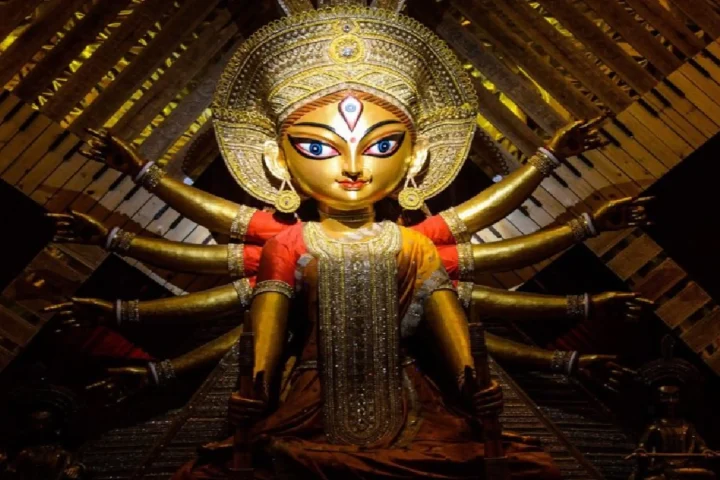

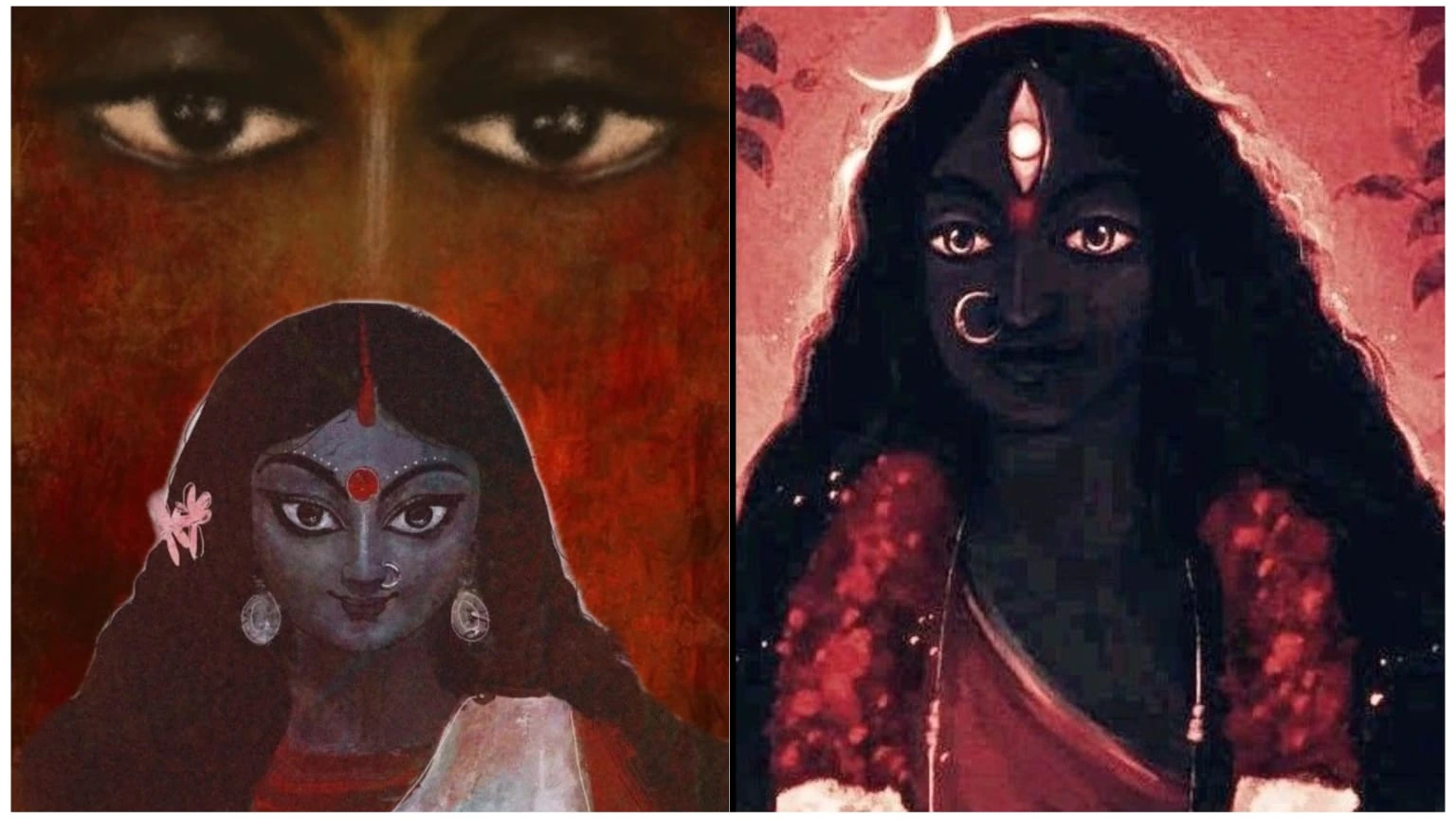
Every autumn, Bengal lights lamps for Kali Puja on the new moon night. The Dakshina Kali image is instantly recognisable: dark skin, a garland of skulls, a protruding tongue and one foot placed on the chest of Shiva. For many devotees she is simply the Mother. For historians, she is also the product of a long and layered story, one in which Buddhist Tantric literature played a real part.
Bengal Before Kali Became Kali
Kali is much older than her Bengali form. She appears in early Sanskrit texts such as the Devi Mahatmya, around the 5th or 6th century, where she springs from the goddess Durga’s anger to destroy demons. But that Kali is a battlefield figure. The meditating, cremation ground Kali worshipped in Bengal today took shape later, in a very different religious climate.
The Pala Era and Vajrayana Buddhism
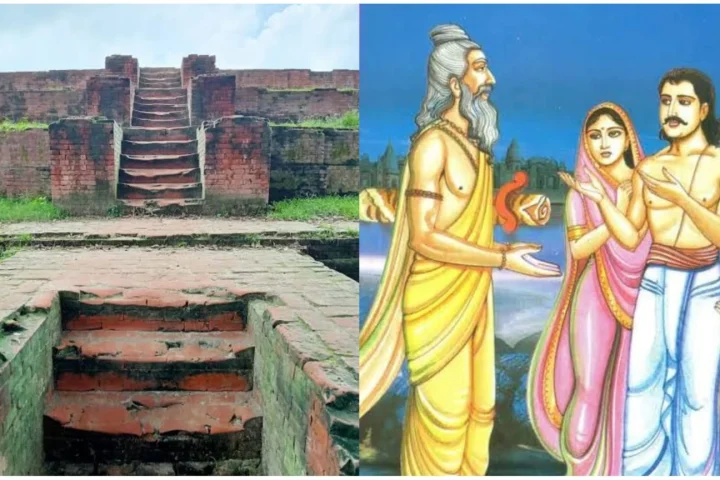
From the 8th to the 12th century, Bengal was ruled by the Pala dynasty, who were Buddhist patrons. Great monastic centres such as Somapura Mahavihara at Paharpur, in present day Bangladesh, and Vikramashila nearby made the region a hub of Vajrayana, the Tantric branch of Buddhism. Here, practitioners worked with fierce deities, ritual, visualisation and the transformation of fear and desire into awakening.
The Charyapada and the Voice of the Siddhas
One of the best windows into this world is the Charyapada, a collection of mystical songs by Buddhist adepts known as Siddhacharyas. Rediscovered in Nepal in 1907 by Haraprasad Shastri, it is regarded as the earliest known literary work in Bengali. Its verses speak in riddles about burning away ego, about outcaste women such as the Dombi and Chandali who stand for pure insight, and about the body as the field of liberation. This language of secret practice, powerful female principles and the cremation ground lived on in the region’s religious imagination.
Fierce Goddesses of Vajrayana
Buddhist Tantra had its own wrathful female deities, including Tara, Vajrayogini, Chinnamunda and the dakinis. Collections of meditation instructions, such as the Sadhanamala, describe them in vivid detail: dark or red bodies, skull cups, curved knives, garlands of heads and dancing postures on corpses. Many of these features sound familiar to anyone who knows Kali’s image.
A Shared Tantric World, Not a Simple Copy
It is important to be careful here. Scholars generally describe a shared Tantric environment in which Buddhist and Hindu practitioners borrowed from and influenced each other, rather than one tradition simply copying the other. Hindu Tantric texts even preserve stories, such as the sage Vasistha travelling to Mahachina to learn from the Buddha, that point to this exchange. The famous Tara of Tarapith in Birbhum is a living reminder of the overlap. How much Kali owes to Buddhist goddesses is still debated.
Krishnananda and the Making of Dakshina Kali
The now standard form of Dakshina Kali is traditionally linked to Krishnananda Agamavagisha, a Tantric scholar of Nabadwip who lived around the 16th or 17th century. His compilation, the Tantrasara, gathered Kali worship into a form that spread widely. Popular legend says he was told in a dream to worship the first woman he saw at dawn, and that this vision gave the pose we know today. Dakshina Kali is usually shown with four arms holding a sword and a severed head, while two hands offer fearlessness and blessings. The garland of fifty heads is often read as the letters of the Sanskrit alphabet.
Why the Fierce Mother Still Matters
In the 19th century, the Dakshineswar Kali Temple, founded by Rani Rashmoni and made famous by Sri Ramakrishna, carried this tradition into modern Bengali life. Kali’s terrifying look hides a gentle idea that echoes the old Tantric thread: face fear, time and death honestly, and you meet freedom and a mother’s love.
Final Thoughts
Dakshina Kali did not come from one source. She grew out of Vedic and Puranic roots, Shakta devotion and a Bengal where Vajrayana literature, from the Charyapada to the sadhanas, helped shape how people imagined power, the feminine and the sacred. Understanding that shared history makes Bengal’s goddess even richer.