

Dengue has now claimed more than 500 lives in Bangladesh this year. Official figures from the Directorate General of Health Services (DGHS) show 164,107 cases and 502 deaths as of Monday, 16 November. In the latest 24 hours alone, 1,598 new infections and three deaths were recorded. The disease is usually seen as a monsoon illness, yet it is still spreading well after the rains.
A Much Worse Year Than 2025
DGHS data show that 155,668 people caught dengue between 1 January and 11 November, nearly double the 80,634 cases in the same period last year. Deaths rose from 318 to 478 over the same stretch. The outbreak started slowly and ran below last year’s pace until mid-August, then surged sharply from late August. August alone recorded 20,536 hospital admissions and 43 deaths.
Why It Is Lasting Beyond the Monsoon
Public health experts say higher temperatures and unexpected rainfall are creating good conditions for Aedes mosquitoes to breed. Intermittent rain in the second week of November has raised fears that the season may stretch into December. Jahangirnagar University entomologist Dr Kabirul Bashar has said infections are likely to stay significant through November and could continue into December.
Why So Many Deaths
Health experts also point to delayed hospitalisation and inappropriate treatment. Many patients seek tests and care only after their condition becomes critical. High-risk groups are especially vulnerable. Experts add that the rise in deaths is largely a result of the rapid growth in infections across the country.
Hospitals Under Pressure
Large numbers of admissions strain hospitals, and officials say the government is working to bring infections down. Another government figure has warned that dengue risk could rise further in the coming months, so people should stay alert.
How to Protect Your Family
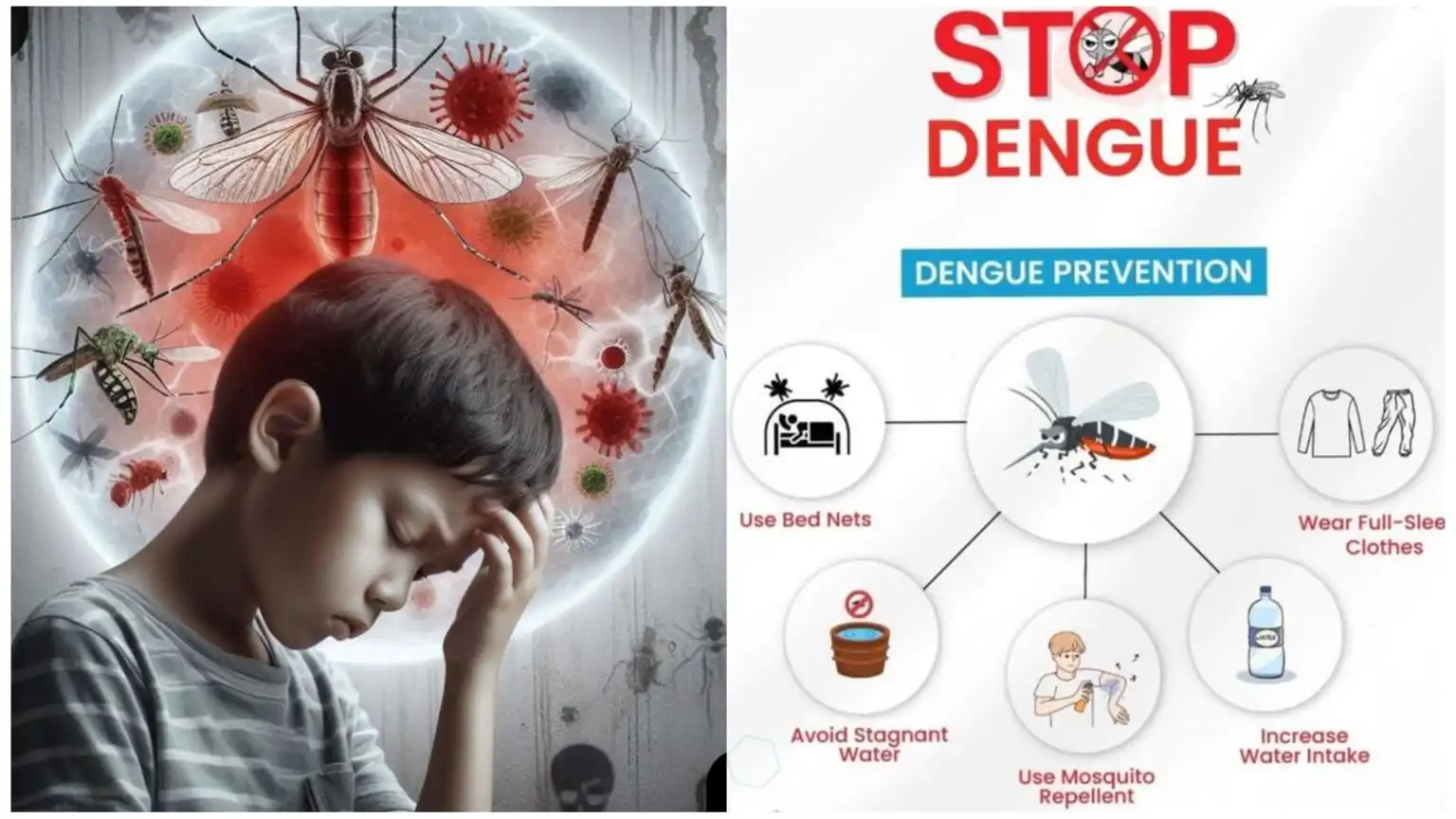
General health advice applies. Remove stagnant water from buckets, flower pots, tyres and rooftops at least once a week, and use mosquito nets and repellents. If you have a high fever, do not delay: see a doctor early and avoid self-medication. Watch for warning signs such as severe stomach pain, repeated vomiting or bleeding, and go to a hospital at once if they appear.
Dengue prevention starts at home and in the neighbourhood. Bangla Pulse will keep bringing you updates and health guidance.