
Cut open a piece of amada and the first thing you notice is the aroma. It is unmistakably like raw mango, which is how it earned the name mango ginger. The root looks very much like ginger, but it is milder, less spicy and a little tangy. It belongs to the same plant family as turmeric and ginger.
In India, it is most often used in pickles and chutneys. It is also loved in parts of Nepal, where it is served as a chutney at community feasts. For a root that is so easy to cook with, it deserves much more attention than it gets.
Support Digestion and Appetite
Winter food is delicious but heavy, with fried snacks, rich curries and plenty of sweets. Amada has a long history in traditional medicine as a digestive aid, and its fresh flavour can make a heavy meal feel lighter. Many families eat a spoonful of amada chutney alongside rice and dal for exactly that reason. It is a pleasant way to support your appetite.
Contains Natural Antioxidants
Laboratory studies have found that amada has antioxidant activity. Antioxidants are compounds that help the body handle the everyday stress caused by free radicals.
Help Soothe Aches and Inflammation
Cold weather makes the body feel stiff. Research on amada has reported anti-inflammatory effects in the lab, and traditional users have long applied it to ease pain and swelling. Some households warm it in oil for massage.
Antibacterial and Antifungal
Scientists have found that amada extracts show antibacterial and antifungal activity in laboratory tests. That fits with its place in home remedies across generations.
Traditional Skin Helper in Winter
Dry winter air can leave your skin tight, dull and flaky. In some traditional home recipes, a little amada juice is mixed with milk or rose water and applied to the face for a short time before rinsing. Many people enjoy it as a gentle, cooling treatment.
Support Immune Health
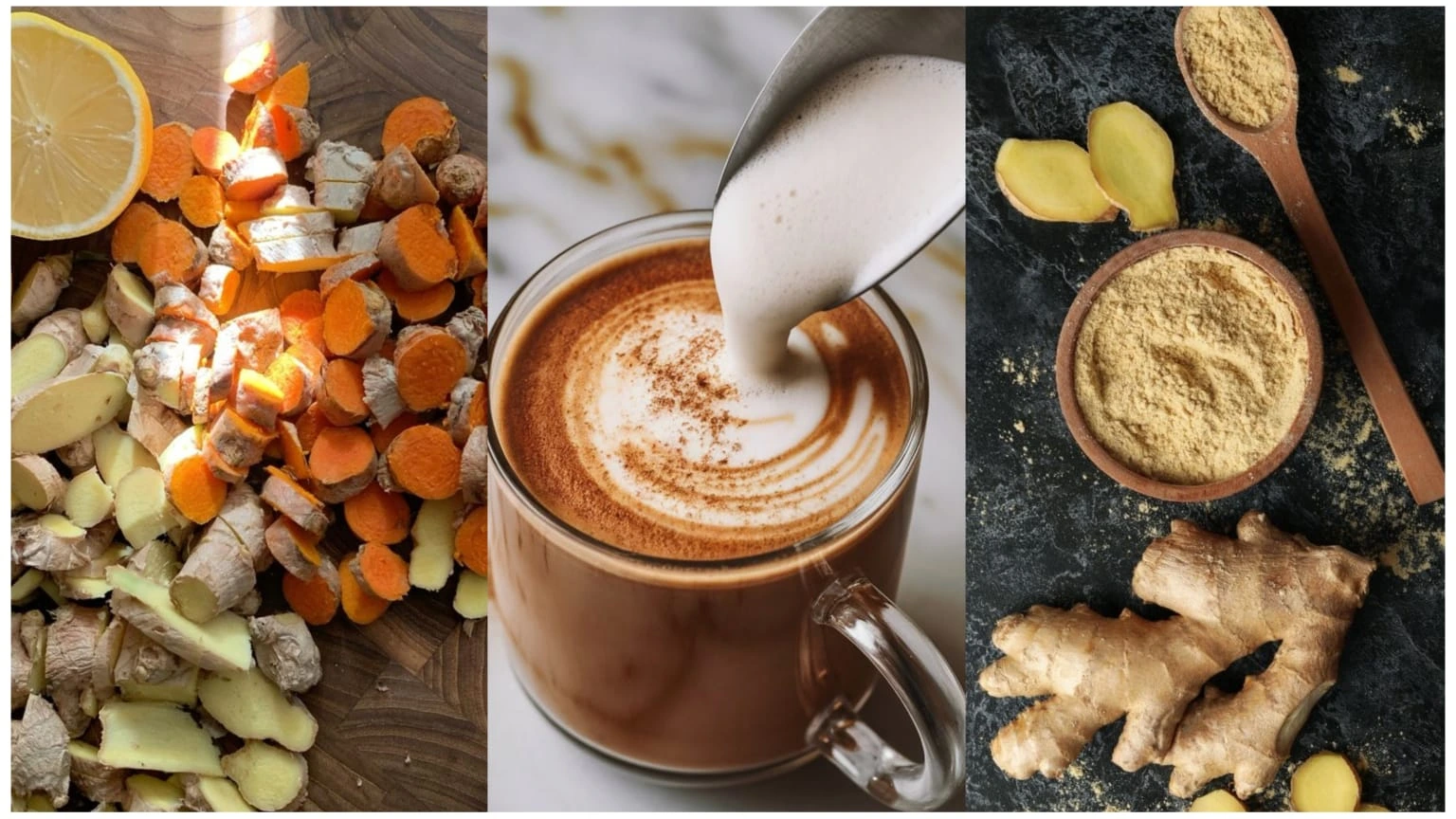
Amada influence the immune system. You can take it with lukewarm water if you do not like the smell of turmaric. Now a days mago ginger latte will be great to enjoy in winter. You also can makeKanji a probiotic drink from amada that will be beneficial for your gut.
Fresh Flavour to Winter Cooking
Your favourite amsotto chutney with amm flavour or Kolkata favourite amm er chop key ingredient is amada. Amada can lift a plain meal like daal in a way few other roots can. Its bright, slightly tangy taste adds personality to dals, salads, chutneys and pickles, and for many families that simple pleasure is reason enough to keep it in the kitchen.
How to Use Amada
Choose firm roots with a clean mango-like smell, and wash and peel them before use. Here are a few easy ways to enjoy it.
- Grate a little into dal or vegetable dishes near the end of cooking, so the aroma stays fresh.
- Make a quick chutney by blending amada with green chilli, coriander, salt and a squeeze of lemon.
- Slice thinly into salads or yoghurt for a fruity crunch.
- Use it in tomato or other chutney.
Store unwashed roots in the fridge, wrapped in paper, and use within a couple of weeks. Availability depends on the season and your region, and amada is often easiest to find in markets around the monsoon months, so check with your local vegetable seller.