
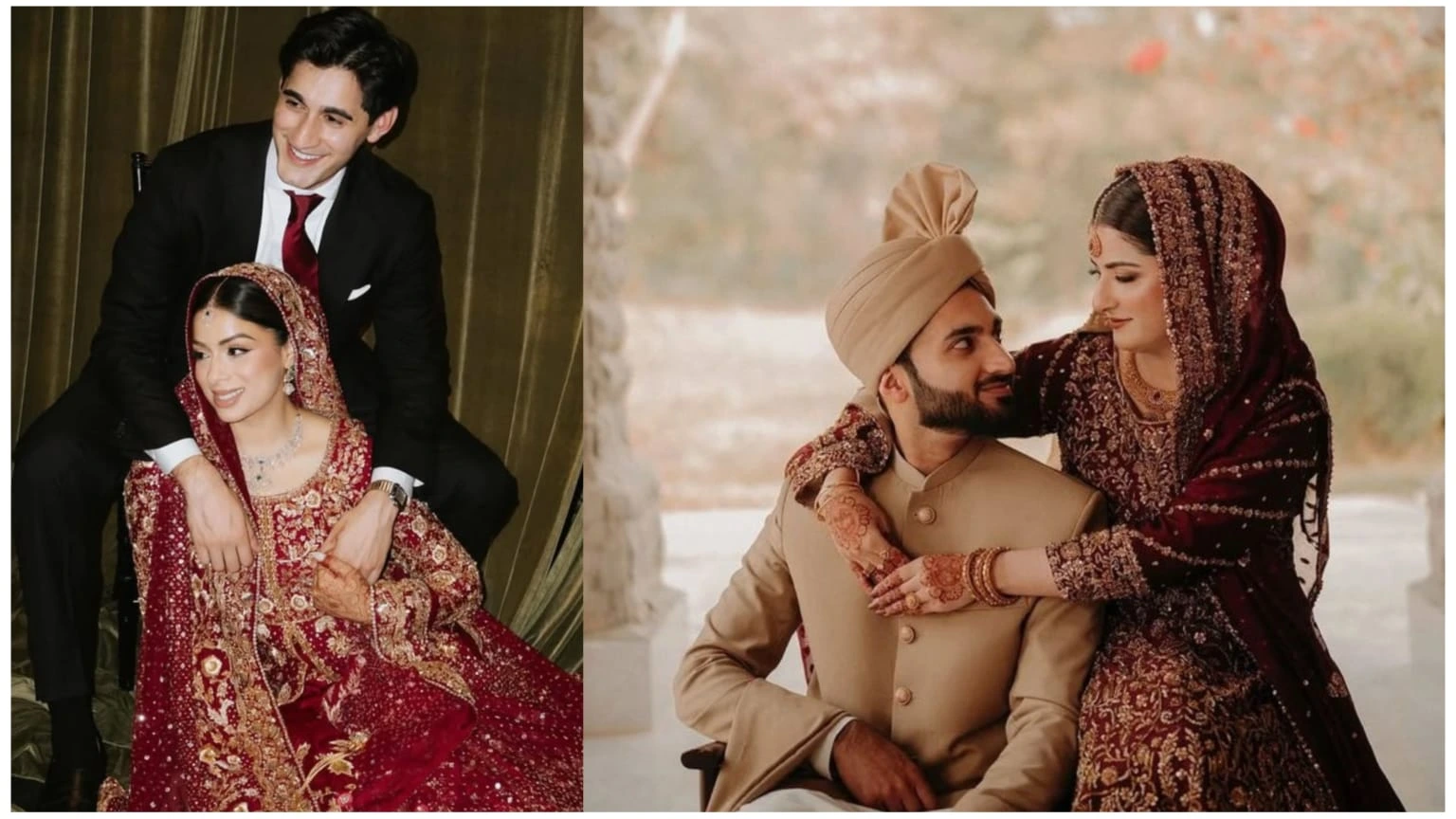
Ask anyone who has been to a Bengali Muslim wedding what they remember, and the answer is rarely just the ceremony. They remember the yellow of the turmeric, the smell of biryani, the jokes between the two families, the bride’s tears at the farewell and the endless plates of sweets. A wedding in a Bengali family is a story told over days, and every part of it has a purpose.
Here are seven traditions that make these weddings so special.
Pan Chini: Where the Match Is Made Official
Long before the wedding day, families meet for what is often called Pan Chini or Pakka Kotha, meaning the firm word. The two sides agree on the match, discuss the wedding date and exchange sweets, betel leaf and sugar as a sign of goodwill. In many families, the bride’s side offers a gift to the groom, and the groom’s side offers one to the bride. It is the moment when a relationship between two people becomes a relationship between two families.
Gaye Holud: The Turmeric Ceremony
Gaye Holud is often the loudest, brightest and most photographed event of the whole wedding. Turmeric paste is applied to the bride and groom, usually on separate days at their own homes, by relatives and friends who take turns feeding them sweets. The groom’s family sends a decorated whole fish, typically a large rui, along with sweets, fruits and saris to the bride’s home. The fish is a symbol of prosperity, and the sheer effort that goes into decorating it has become a cheerful point of pride between families. Everyone wears yellow, and the day usually ends with music and dancing.
Mehendi Night: Henna, Songs and Sisterhood
The bride’s hands and feet are decorated with intricate henna designs, often by a professional artist, while cousins and friends sing, dance and tease. Mehendi night is usually a women-led event, and it gives the bride a final, relaxed evening with the people she has grown up with. Many families hide the groom’s name in the design and make a game of it later.
Kabin: The Heart of the Wedding
The nikah, known in Bengal as the Kabin, is the religious core of the marriage. A qazi oversees the ceremony. The bride’s consent is asked and given, witnesses are present, and the couple agrees on the mehr, a financial gift from the groom to the bride that is hers by right. The terms are recorded in a marriage document called the Kabinnama. This is the part of the wedding that is required by Islam, and it is usually the most solemn and quiet moment of the whole event.
Barat: The Groom’s Grand Arrival
On the wedding day, the groom travels to the bride’s home or the wedding hall with his family and friends in a procession called the Barat. They are welcomed with sweets, garlands and a good deal of playful negotiation. One favourite custom is the hiding of the groom’s shoes by the bride’s cousins, who will only return them for a price. It is all in good fun, and it breaks the nerves on both sides.
Bidaye: The Emotional Farewell
Few moments at a Bengali wedding are as moving as the Bidaye. The bride says goodbye to her parents and family and leaves for her new home. Many brides cry, and so do many parents and siblings. Relatives offer blessings and prayers, and the father or elder brother often gives her away with a few quiet words. It is a reminder that behind all the celebration, this is a real change in a family’s life.
Bou Boron and Bou Bhat (Walima): The Welcome
When the bride arrives at her husband’s home, she is greeted by his mother and elder women with blessings, sweets and small rituals. This is called Bou Boron. A day or so later, the groom’s family hosts the Bou Bhat, the Bengali version of the Walima, a feast for relatives, neighbours and friends to celebrate the marriage publicly. The Walima is an Islamic tradition that encourages announcing and honouring a marriage with a shared meal, and in Bengal it comes alive with large spreads of biryani, kebabs, korma, borhani and sweets.
Why These Weddings Feel So Special
A big part of the magic is the mix. Bengali Muslim weddings bring together the Islamic essentials of consent, the mehr and the shared meal with the warmth of Bengali culture, which values food, family, music and colour. The result is a wedding that feels both devout and joyful.
It is also worth knowing that customs vary. A wedding in Dhaka may look different from one in Sylhet or Chittagong, and different again from one in Kolkata or among families in the UK, the US or the Middle East. Some families embrace every event, while others prefer simpler celebrations and keep to the religious basics. Many scholars point out that Kabin, mehr and Walima are the core Islamic elements, while events like Gaye Holud and Mehendi are cultural, and families make their own choices about which to include.
What stays the same is the spirit. At the end of it all, a Bengali Muslim wedding is a way of saying that two people are not just joining each other but joining two communities.