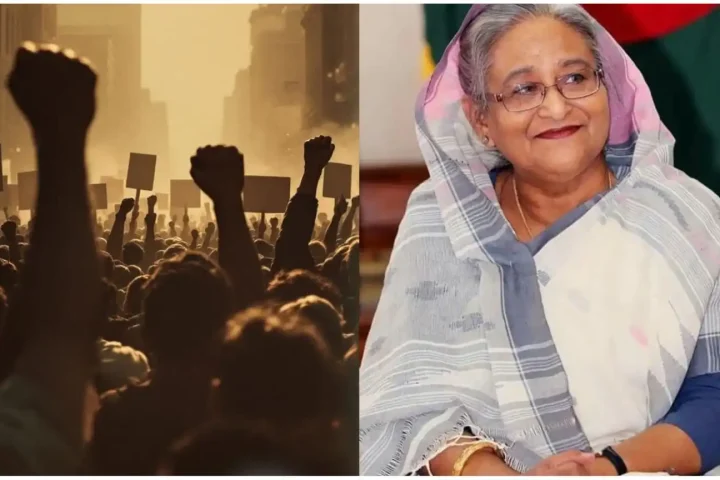

Few periods in Bangladesh’s history have been as eventful as the years between 2009 and 2024. Sheikh Hasina’s Awami League won power in the election of December 2008, and her second stint as prime minister began in January 2009. It ended on 5 August 2024. Supporters point to economic growth and big projects. Critics point to shrinking space for dissent. Here are the ten events that shaped those years.
The BDR Mutiny (February 2009)
Just weeks after the new government took charge, members of the Bangladesh Rifles, the border force, revolted against their commanding officers. More than 74 people were killed. The government restored order, and the force was later renamed the Border Guard Bangladesh.
The War Crimes Tribunal (2010)
The government set up the International Crimes Tribunal in 2010, fulfilling an election promise to try crimes from the 1971 war. Supporters saw long-delayed justice. The BNP and Jamaat called the trials politically motivated, and rights groups raised concerns about fair trial standards.
The End of the Caretaker System (2011)
The 15th amendment, passed in June 2011, removed the neutral caretaker governments that had overseen elections. The opposition argued that the system was essential for free and fair polls, and this dispute shaped the next decade.
The Shahbagh Movement (2013)
In February 2013, mass protests began in Shahbagh, Dhaka, demanding the death penalty for convicted war criminals. Parliament then changed the law to allow appeals against tribunal verdicts. Jamaat staged counter-protests, and the unrest turned deadly.
The Rana Plaza Collapse (April 2013)
More than 1,000 garment workers died when the building collapsed. The disaster exposed unsafe conditions in the industry that is the backbone of the economy, and it led to a global focus on factory safety.
The Boycotted Election (January 2014)
The Awami League won the 5 January 2014 election after the BNP and its allies boycotted it. Political violence followed in 2015.
The 2018 Election (December 2018)
Hasina won a third straight term, but the vote came with allegations of vote-rigging. Critics said it deepened doubts about electoral fairness.
US Sanctions on RAB (December 2021)
The United States imposed human rights sanctions on the Rapid Action Battalion and seven current and former officials, citing hundreds of disappearances and extrajudicial killings since 2009. It was a rare international rebuke.
The January 2024 Election
Hasina won a fourth straight term in an election boycotted by the opposition. By then, Bangladesh had reported 7.2% GDP growth in 2022, but income inequality was rising.
The July 2024 Uprising
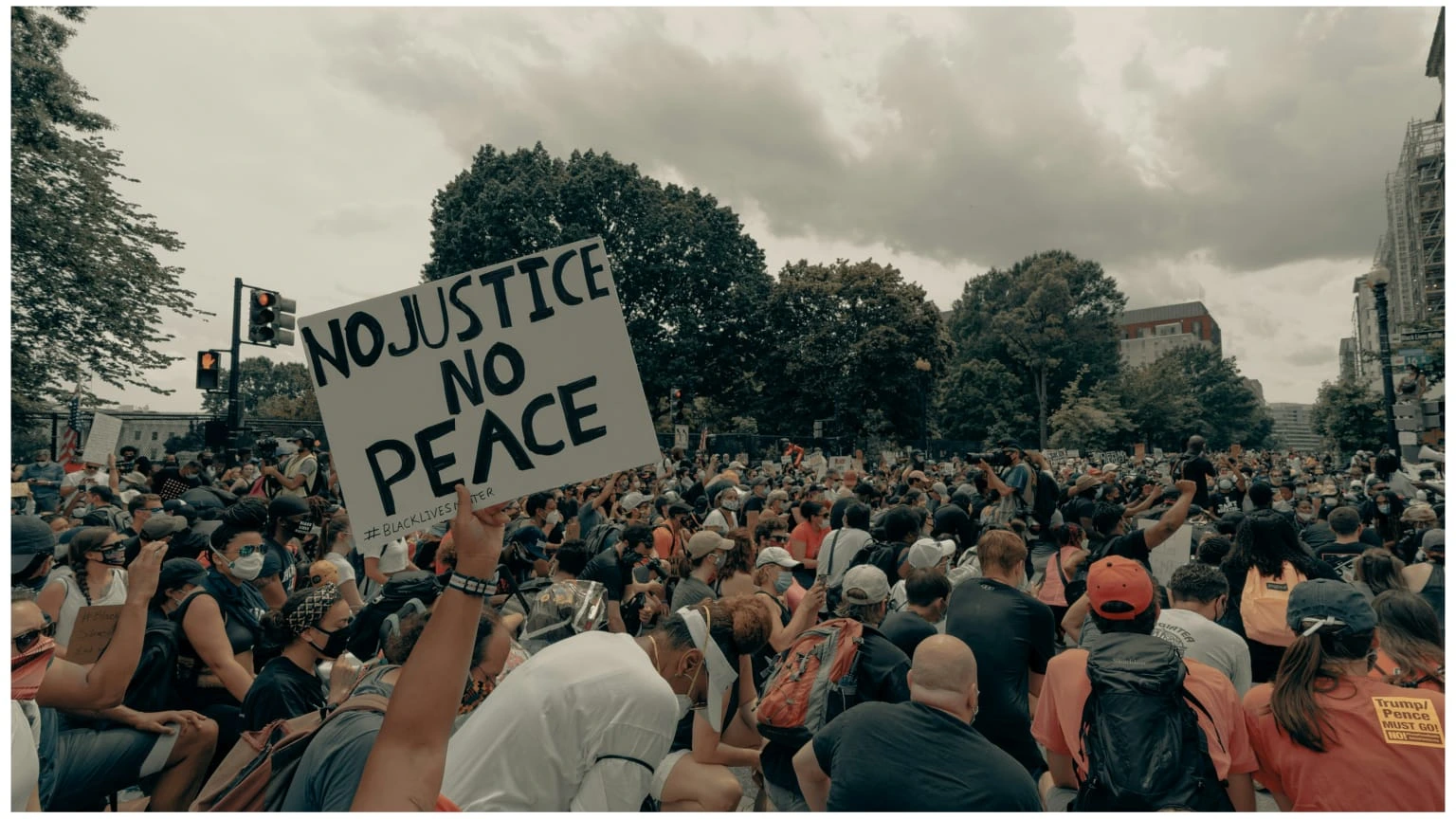
Students began protesting in July 2024 against job quotas that reserved one-third of civil service posts for descendants of 1971 fighters. A government crackdown and attacks by groups linked to the ruling party turned the protests violent, and hundreds of people died. On 5 August, Hasina resigned and fled the country as protesters stormed her residence. On 8 August, Nobel laureate Muhammad Yunus was sworn in as Chief Adviser of an interim government.