
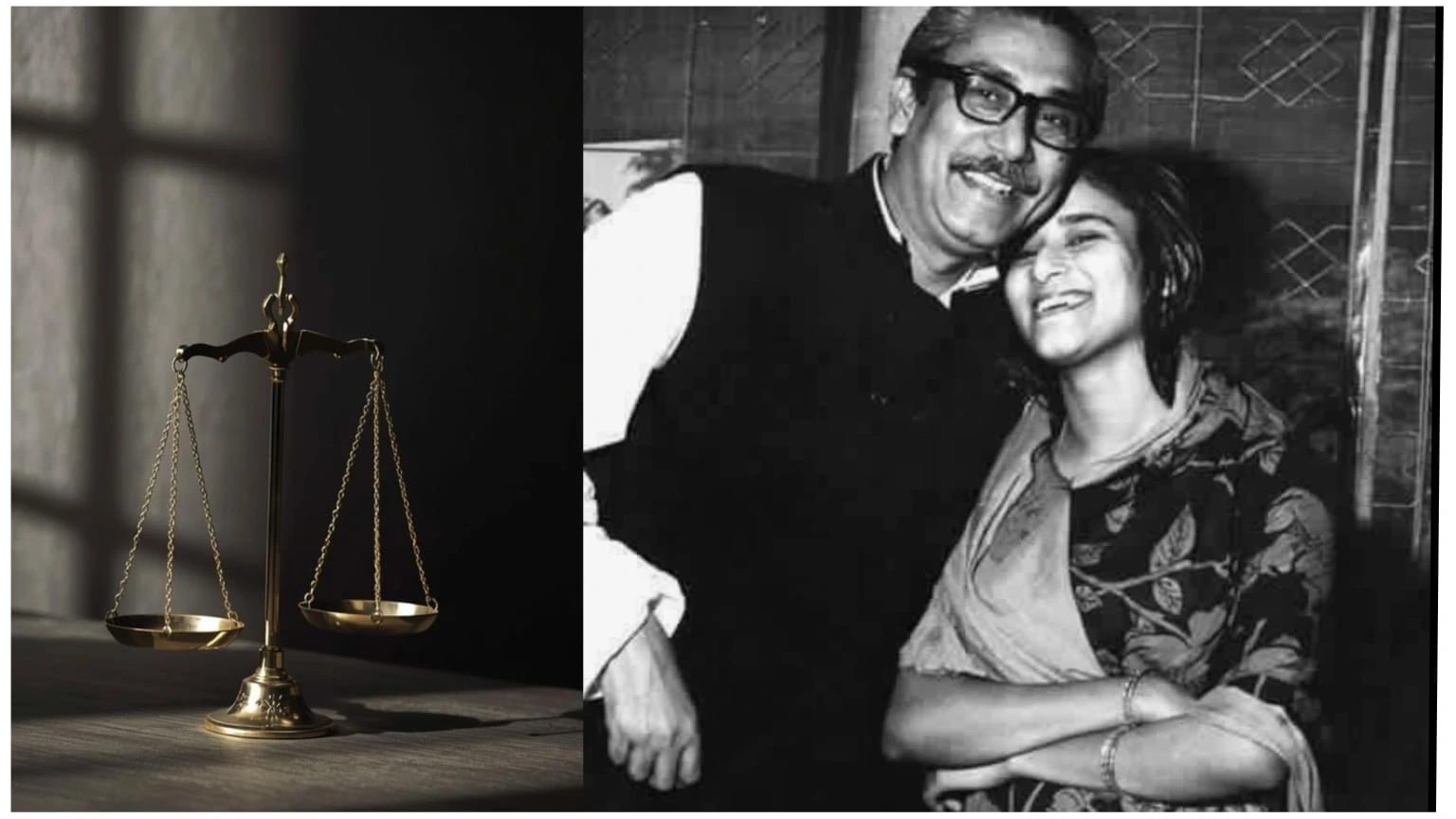
Few political stories in South Asia are as dramatic as the Bangladesh-Sheikh Hasina-India triangle. A leader who ruled for 15 years was toppled by a student-led uprising and fled by helicopter. Hasina has said she does not want to die, but that she is prepared to face the consequences while returning to her homeland.
Here are seven challenges that stand between Sheikh Hasina and a return to Swadesh, and what could follow if she makes it.
Death Sentence Is Waiting
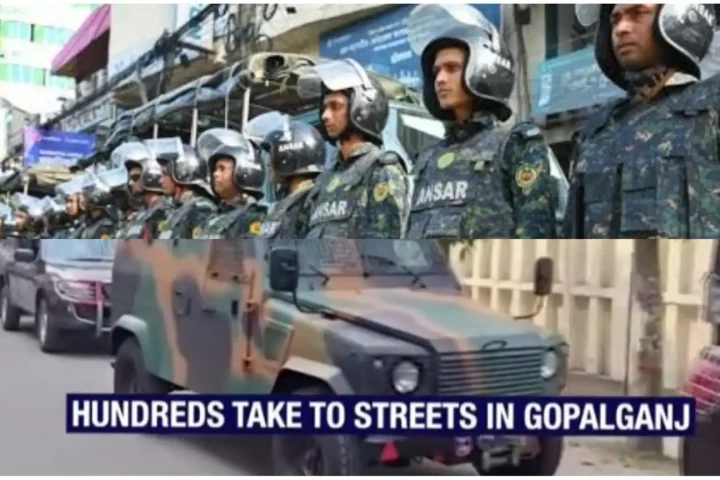
In November 2025, the International Crimes Tribunal found her guilty of crimes against humanity over the deadly crackdown on protesters in 2024 and sentenced her to death in absentia.
The United Nations has reported that about 1,400 people were killed during the protests, mostly by security forces. Bangladesh’s chief prosecutor, Md Aminul Islam, says she has no option but to face the execution of the verdict. Hasina rejects the trial’s legitimacy.
The Appeal Window Has Closed
According to the prosecutor, the statutory deadline to file an appeal has expired, and no appeal can now be filed. His argument is that she could have returned during the trial or within 30 days of the verdict. Not everyone agrees on what that means in practice. Legal experts quoted are divided on whether she would still have any right to appeal, which suggests this question could end up in court if she ever lands.
Passport and Travel Papers Controversy
Her team says her lawyers applied for a Bangladeshi passport and national identity card through the high commission in New Delhi. Dhaka rejected the request within hours, pointing to passport rules that restrict documents for certain convicted people. A minister said the country does not issue passports to people it wants handed over. Legal experts also debate whether a travel pass could be used. Put simply, the government says it wants her back, but not on her own terms.
The India Question
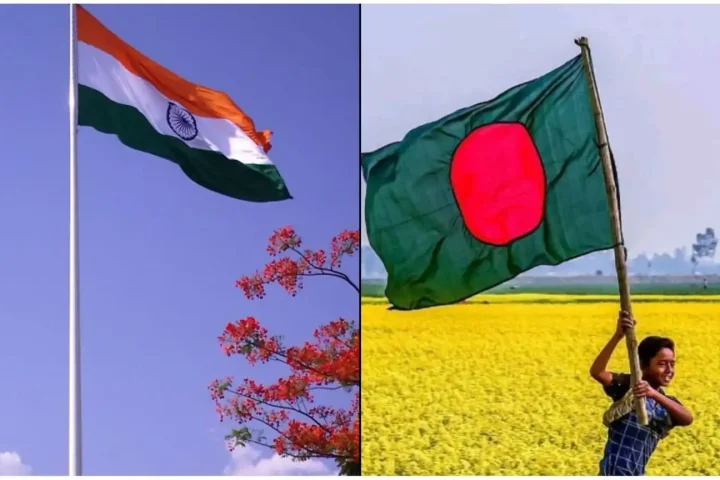
India has been her home since August 2024. Bangladesh has asked India to extradite her, and India says the request is under legal review. Dhaka’s advice to Hasina is to write to the Indian authorities and ask them to facilitate her return under the extradition treaty. Hasina says she would not ask another country to extradite her, because she has decided to return voluntarily. Extradition is a matter between two governments, and the issue has strained relations between the neighbours.
Hundreds of Other Cases
The death sentence is not her only legal problem. Hasina says more than 600 cases have been filed against her and calls them false. Authorities also face allegations that include corruption. Even if one case were resolved, she would face a long line of others. Many cases filed against Awami League leaders, ministers and activists after her fall are still waiting to reach trial.
A Banned Party
Hasina would not be returning to a political home. The Awami League’s activities are banned, and the party was barred from the February 2026 election. In September 2026, the tribunal also sentenced seven senior Awami League leaders to death in absentia, including general secretary Obaidul Quader. Analysts quoted by Reuters and AFP say her announcement may be an effort to keep her supporters energised and the party relevant. Some also suggest she may be betting that authorities would find it difficult to carry out a death sentence against the daughter of the country’s founding leader.
Public Anger and Security Risks
Many Bangladeshis still feel deep anger over the killings in 2024. Human Rights Watch has described enduring anger and anguish over her repressive rule. For her own safety, Hasina says she is aware of threats to her life. The authorities have also blamed the Awami League for a recent series of petrol bomb attacks, which Hasina denies. Any return would be a security challenge, both for her and for the government.
The Fairness Debate
This story has two strong sides. Supporters of the verdict argue that Hasina is responsible for a brutal crackdown, that victims’ families deserve justice, and that she chose not to face the trial. The opposition National Citizen Party’s leader, Nahid Islam, has said her return would ultimately lead to the verdict being carried out.
Amnesty International and Human Rights Watch take a different view. They say victims deserve justice, but they criticised the trial as unfair, noting that it was held in absentia, moved at unprecedented speed and that she was not represented by a lawyer of her choosing. Both groups also oppose the death penalty. The government has said its tribunal proceedings will be transparent, broadcast on video and open to international monitors.