
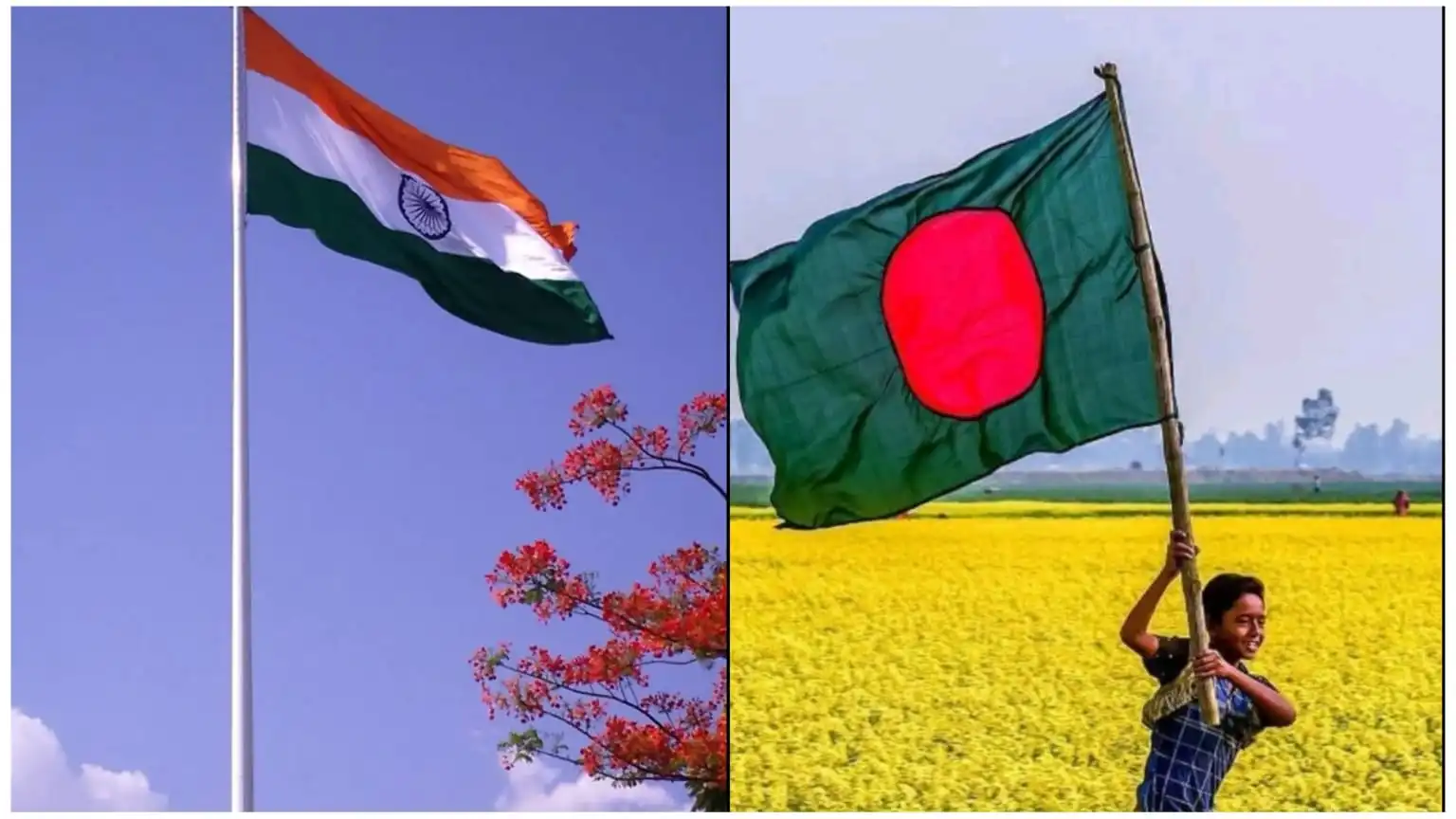
With the 1996 Ganges Water Sharing Treaty due to expire on 12 December, a water expert has advised Bangladesh and India to agree on a short-term arrangement. The aim is to avoid a complete breakdown in how the river’s dry-season flow is shared.
Time Is Running Short
The treaty was signed in New Delhi on 12 December 1996 and runs for 30 years. It governs how water is divided at Farakka from 1 January to 31 May, the lean season when the river is under the most pressure. Dhaka formally approached New Delhi in June to begin talks and sent a reminder in August. Bangladeshi officials say no formal response has been received so far. India’s position is that river matters should be discussed through the Joint Rivers Commission (JRC).
The Interim Option
Water expert Malik Fida A Khan believes the remaining weeks are not enough to finish a comprehensive new agreement. He has suggested that the two countries consider signing a short-term Memorandum of Understanding (MoU), possibly for two years. In his view, such a bridge would keep the existing water-sharing arrangement alive while detailed negotiations continue.
He also pointed to history. The earlier 1977 arrangement was not renewed in 1982, and no further MoU or agreement was signed until the 1996 treaty came into force. An interim deal, he implied, would help avoid repeating that gap.
Why a Full Deal Is Harder Now
The 1996 treaty relied on river flow data from 1949 to 1988. Since then, population, farming and industrial demand have grown, and climate change has added pressure on the Ganges basin. Many experts say a new treaty should reflect these realities, which makes the talks more complex than a simple extension.
Political Will Matters
The analyst stressed that even an interim arrangement would need agreement at the political level in both capitals. Others have noted that political intervention was decisive in reaching the 1996 treaty and will be needed again.
For farmers and communities in southwestern Bangladesh who depend on dry-season flows, the outcome matters. Bangla Pulse will follow any move by either government before the deadline.