
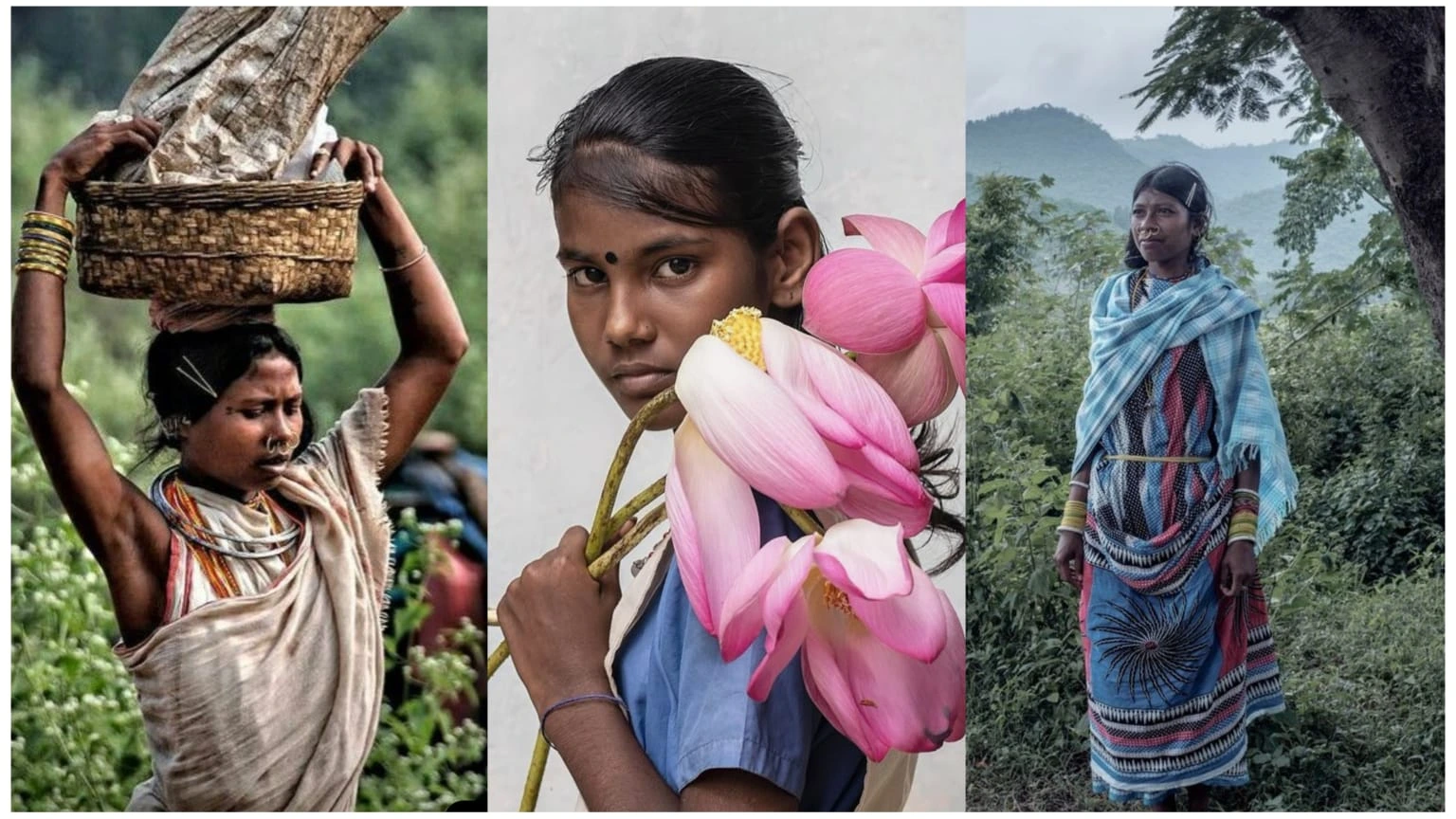
Bangladesh is home to over 45 indigenous communities, also called Adivasi, who speak at least 35 languages. Many live in the Chittagong Hill Tracts, the north-west and the north-east. Here are six of them and the traditions that define their lives.
Chakma: The Largest Community With a Festival to Match
The Chakma are the biggest group, with 444,748 people in the 2011 census, and most follow Buddhism. Their new year festival, Biju, is the most important socio-religious event of the year. During the wider Baisabi celebrations, families cook a mixed curry of five vegetables called pachan.
Marma: Where New Year Means Water Fights
The second-largest group, the Marma are mostly Theravada Buddhists. Their biggest celebration, Sangrai, welcomes the new year by the Buddhist lunar calendar. Its popular water festival sees young people sprinkling water on each other.
Tripura: Boisu and the Voice of Kokborok
The Tripura live in both the plains and the hills, and their language is Kokborok. They mark the new year with Boisu, also called Baisuk. The community shares a common culture and history with the Tripura of the Indian state of the same name.
Santal: Ancient Dwellers of the Northwest
Santals are among the oldest and largest indigenous communities in the northwest. Their women wear ornaments on the hands, feet, nose, ears and neck. Young men and women gather to dance and sing with cymbals and flute, and Sohrai and Baha are among their major festivals.
Garo or Mandi: Matrilineal Families and the Wangala Harvest
Many Garos prefer to be called Mandi. Their society follows matrilineal descent and matrilocal residence. Their main festival, Wangala, honours the rice deity Misi Saljong, and eating the new crop is not allowed before it. It is held between September and December, including in Dhaka.
Khasi: Betel Leaf Keepers of Sylhet
Based in Sylhet, the Khasi community is known for betel leaf cultivation and its traditional music.
Why These Traditions Matter
Festivals like Biju, Sangrai, Boisu and Wangala are more than celebrations. They carry language, food, music and farming knowledge from one generation to the next. Supporting them means learning, visiting respectfully and listening to the communities themselves.
Discover Folk Culture With Bangla Pulse
1. Where are Baul festivals celebrated in Bangladesh during winter?
Baul festivals are celebrated in different parts of Bangladesh, including Kushtia and Sylhet, where folk music, spiritual traditions and cultural gatherings bring communities together. Read more about Baul festivals in Kushtia and Sylhet during winter.
2. Why is Kushtia famous for Baul music?
Kushtia is closely associated with Baul traditions and the legacy of Lalon Shah, whose songs explore humanity, spirituality and the search for truth. Discover more about Baul festivals in Kushtia and Sylhet during winter.
3. What can visitors experience at a Baul festival in Bangladesh?
Visitors can experience live folk performances, traditional instruments, spiritual songs and gatherings that celebrate Bengal’s musical heritage. Explore our guide to winter Baul festivals in Kushtia and Sylhet.
4. Why are Baul songs important to Bengali culture?
Baul songs express ideas about humanity, love, spirituality and inner freedom. Their distinctive musical style and philosophical themes have made them an important part of Bengal’s cultural heritage. Learn more about Baul festivals in Kushtia and Sylhet.
5. Is winter a good time to explore Baul culture in Bangladesh?
Winter can be a rewarding time to explore Baul culture, as cultural gatherings and folk music events may take place in different regions. Visitors should check local festival dates before travelling. Read our guide to Baul festivals in Kushtia and Sylhet during winter.