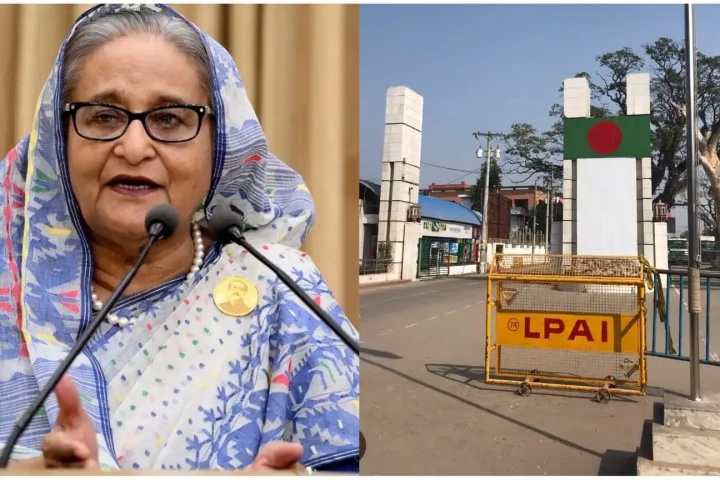

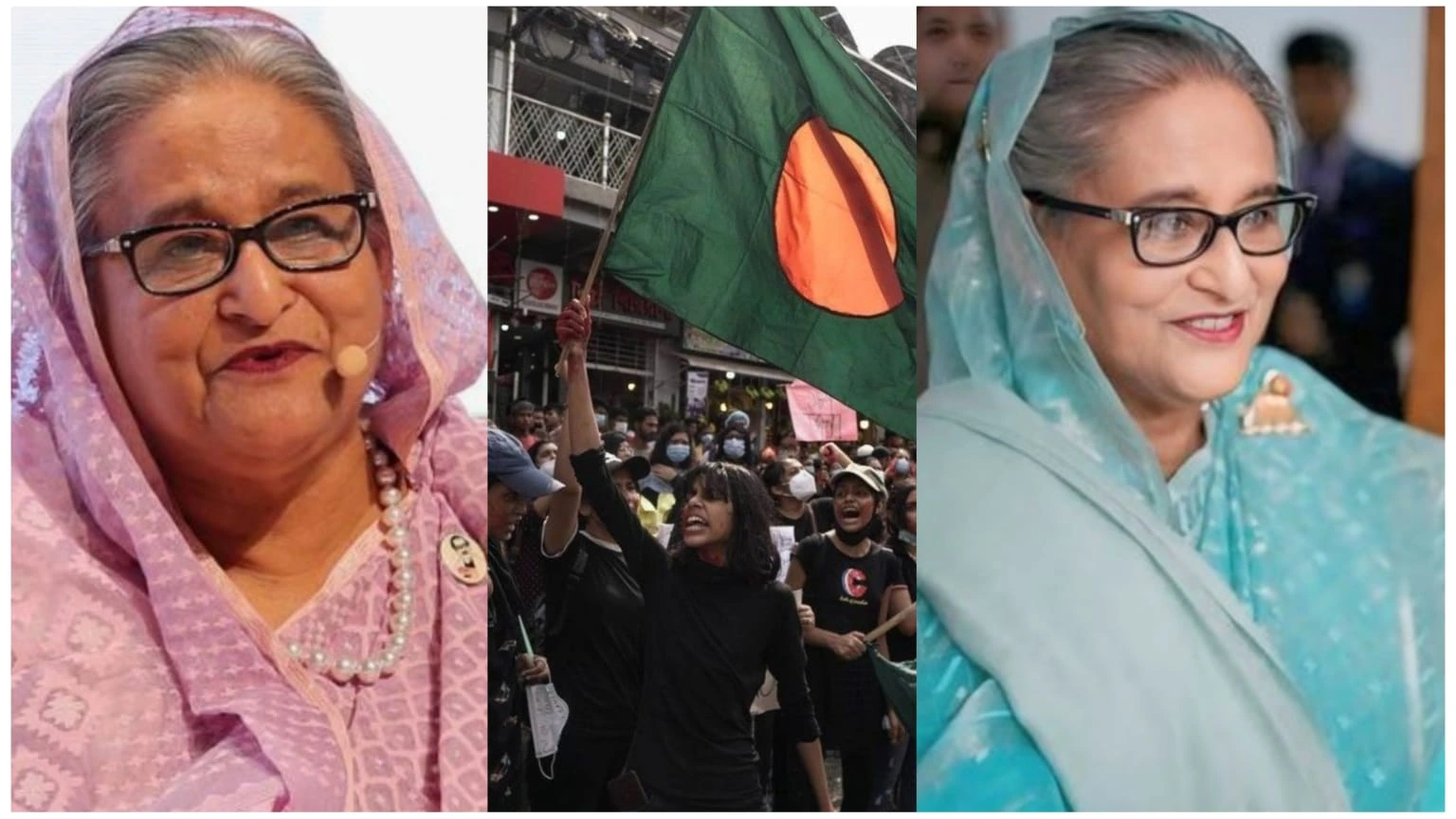
When Sheikh Hasina boarded a flight out of Dhaka in August 2024, few people imagined that her departure would continue to shape the politics of two countries more than two years later. Today she is in India, sentenced to death by a tribunal in Bangladesh, while the government in Dhaka keeps begging New Delhi to send her back. India calls it a legal matter and is in the process. Time is running out, says Bangladesh. In between, a postponed prime ministerial visit, a tense border and unanswered questions on water and trade. Here are seven ways one woman’s time in India is changing how two neighbours relate to each other.
Bangladesh’s International Crimes Tribunal convicted Hasina
The crimes against humanity for the 2024 crackdown on student-led protests and sentenced her to death in absentia in November 2025. The Extradition Request Remains at the Centre: Dhaka had asked India for her return more than once already, and it sent fresh letters after the verdict arguing that the 2013 extradition treaty creates an obligation to hand her over.” In mid-November 2026, Bangladesh’s law minister said that all legal formalities on Dhaka’s side were complete and that the next move now belongs to New Delhi. For Bangladesh, this is not a side issue. Her return is the only real form of justice for families of those killed in the uprising, and no government in Dhaka can afford to look soft on the matter.
India says courts will decide
New Delhi has been guarded in its language. It first said it had “noted” the verdict, and then said it was looking into Dhaka’s request. More recently, Indian officials have said the judiciary will ultimately decide, under the treaty and India’s Extradition Act of 1962, which allows an inquiry magistrate to consider whether there is enough evidence to recommend surrender. This allows India to avoid a direct yes or no, but Dhaka sees the slow pace as a lack of will. Bangladeshi media also said India had proposed conditions for any handover, such as how she would be transported. None of this has been confirmed officially.
A New Government, Same Old Question
The Bangladesh Nationalist Party won the February 2026 election in a landslide, and Tarique Rahman became prime minister. The party of Hasina’s longtime rival now heads the government and is asking for her return. Modi invited him to India soon after the election, and Indian leaders had sent warm messages when his mother, former prime minister Khaleda Zia, died in December 2025. Still, the visit hasn’t happened. Bangladesh officials say progress depends on movement on the Hasina issue, and a November trip under discussion is yet to be confirmed.
Her Public Voice Fans the Flames
But Hasina has not been silent in exile. The most damaging flare-up came this year when a news conference in India angered Dhaka. She addressed the media virtually from New Delhi in January 2026, ahead of the Bangladesh election. Bangladesh has issued a strong statement and delayed a planned visit by the prime minister. India said the event was privately organised and had nothing to do with the government. Analysts say the real sticking point is not so much extradition, but whether she can continue political activity from Indian soil, especially as her Awami League remains banned in Bangladesh. Some experts believe a clear commitment from India on this would help to break the deadlock.
The border is a pressure cooker
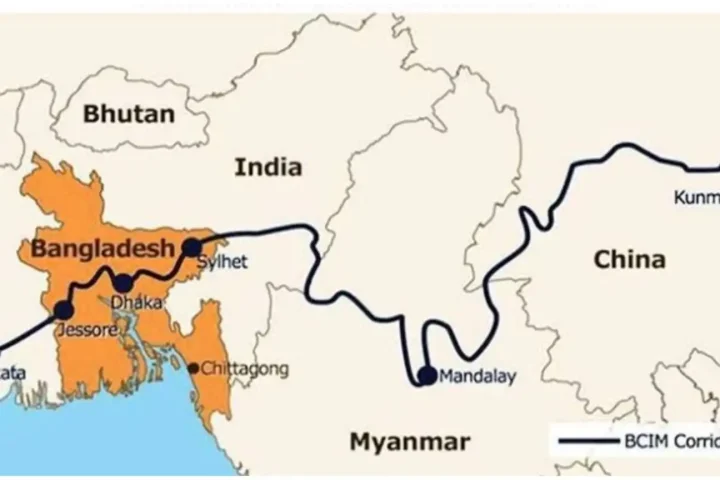
Illegal crossings, cattle smuggling and border killings have long troubled the relationship, and the Hasina years left many Bangladeshis feeling their government had quietly accepted such incidents. The political change in West Bengal added a new dimension, with the state’s new government announcing stricter border fencing. “We will not bend just on border issues,” the adviser on foreign affairs of Bangladesh said. Bangladesh also summoned India’s acting high commissioner earlier this year, the first such protest under the new government. But there are signs of operational cooperation. In June, the two sides agreed to coordinate patrols and share intelligence against cross-border criminal networks and Indian authorities arrested suspects in the killing of young Bangladeshi politician Osman Hadi in West Bengal, a move many viewed as a goodwill gesture.
Water and Trade in the Background
The political chill is choking off everyday issues that affect millions of people. The Ganges water-sharing treaty is about to expire, and the long-standing Teesta River issue is unresolved. Trade was also reportedly on the agenda during the prime minister’s visit. Analysts believe that any fresh momentum on Teesta could help rebuild trust and ease anti-Indian sentiment in Bangladesh. But few expect any big breakthroughs as the Hasina matter hangs over every meeting, and the Ganges deadline adds time pressure that neither side can ignore.
Dhaka is opening up its options
Tarique Rahman has talked about a “Bangladesh First” approach to foreign policy. Officials have called China a key bilateral partner and have spoken of a visit to Beijing. That is not to say Dhaka is turning its back on its nearest neighbour, and a major trading partner, India. But it does suggest that Bangladesh no longer sees Delhi as the automatic first friend, which is a clear departure from the Hasina era. India fears a prolonged standoff could push Dhaka toward other partnerships, eroding its influence built over decades.
What’s next?
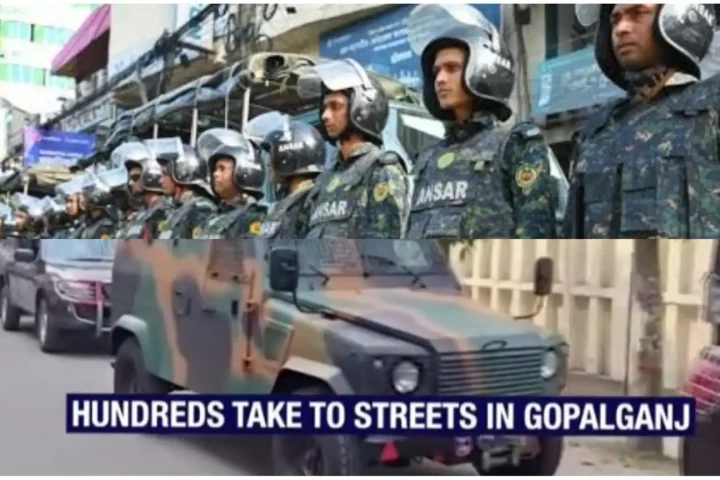
Tensions are rising in Bangladesh’s politics. In recent weeks, violence, arson and arrests have taken place in several districts, including Prime Minister Sheikh Hasina’s home district of Gopalganj, and border guards have been deployed in seven districts. The unrest is linked to tensions over the possibility of her return, and the prime minister has called for unity against what he calls efforts by opponents to destabilise the country.
It’s a tough choice for India. Letting go of a longtime friend of New Delhi would come at political and personal costs, while keeping it would keep relations with a key neighbour stuck in a cold phase. Both governments say they want a stable partnership and both have reasons to avoid a deeper break. Whatever the outcome of the Hasina question, the relationship is unlikely to regain its former easy intimacy.
Discover the latest update related to Sheikh Hasina
Is Sheikh Hasina planning to return to Bangladesh in December 2026?
What could happen if Sheikh Hasina returns to Bangladesh?
Why is Sheikh Hasina’s extradition from India back in focus?
Can India extradite Sheikh Hasina under the 2013 extradition treaty with Bangladesh?
What is the latest reported development in Sheikh Hasina’s death sentence case?