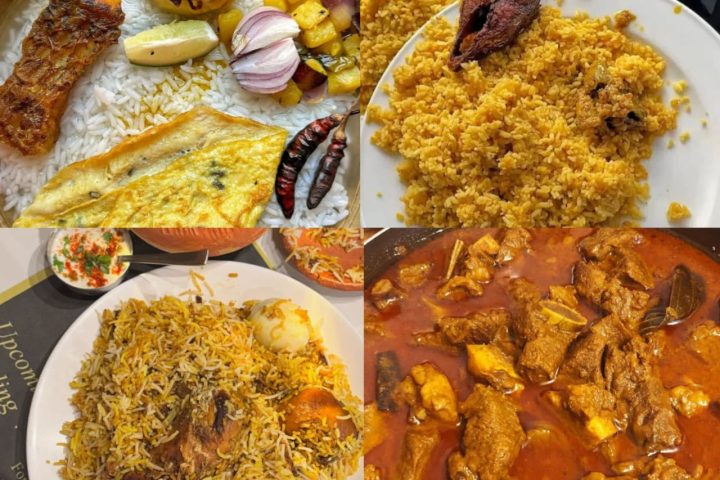
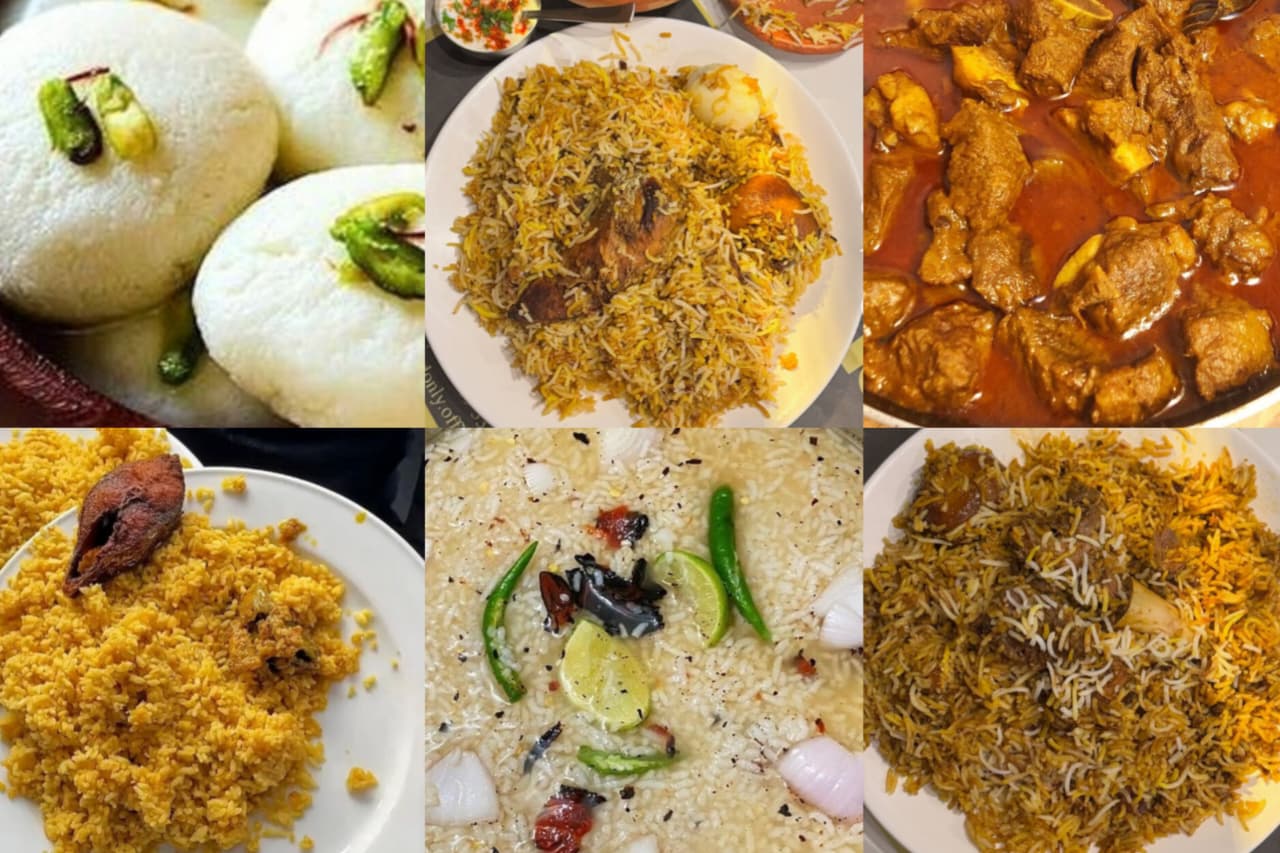
A Dhaka kitchen at 7 a.m., rice steaming, mustard oil sharp in the air. Traditional Bangladeshi recipes still set the day’s pace, and the old sequence holds: rice, fish, dal, vegetables, a small sweet. Simple, direct, steady. That’s the picture in Bangladesh.
Markets report the same shortlist that never goes out of style. Mustard oil, turmeric, cumin, coriander, bay leaf. Fresh river fish like ilish, rui, pabda, koi, plus chingri. Greens and gourds, pumpkin, potol, kochu, bottle gourd. Date palm jaggery in winter, always treasured. Salt and heat stay measured, not loud. That’s how locals prefer it anyway.
Popular Traditional Bangladeshi Recipes
Households lean on staples that cook fast yet smell like patience. Masoor dal with garlic tempering. Rui macher jhol, light and clean, eaten with steamed rice. Aloo bhorta smashed warm with green chili and a tiny splash of mustard oil. Begun bhaja, slices golden at the edges. Shorshe ilish wrapped in sharp mustard paste. Nothing flashy, just confident flavor. Feels like real work sometimes.
Festival and Celebration Dishes in Bangladesh
Eid changes the table. Kacchi biryani arrives sealed and fragrant, long-grain rice clinging to mutton. Morog polao turns gentle, cardamom and bay leaf leading. Bhuna khichuri brings comfort on rainy afternoons. Winter draws crowds to pitha carts: bhapa, patishapta, chitoi with nolen gur. The steam, the jaggery, the chatter. Maybe that is the season talking.
Regional Specialties Across Bangladesh
| Region | Dish | Note |
| Dhaka | Bakarkhani, kebab | Old Town ovens, late-night queues |
| Chattogram | Mezban beef | Deep red stew, crowd service |
| Sylhet | Shatkora beef | Citrus bite, slow heat |
| Barishal/Khulna | Shutki bhuna | Dried fish, bold aroma |
Each plate ties to place, not trend. Some say it should never change.
Traditional Cooking Methods
Reporters keep hearing the same four words in home kitchens. Bhuna, a slow fry till oil separates and the pot smells toasty. Jhol, a light broth that keeps the day moving. Kalia, thicker, richer, patient. Bhorta, anything mashed and seasoned till it sings. A wooden spoon often does the heavy lifting. So it goes.
How to Serve a Traditional Bangladeshi Meal
Order matters. Rice in the center. One fish item, a vegetable side, lentils poured last, a sharp bhorta at the edge. Pickles or chutney for a quick jab of heat. Metal plates or everyday steel bowls. No fuss table settings, still tidy. That’s how many homes plate it.
Tips for Cooking Traditional Bangladeshi Recipes at Home
- Use fresh fish, cleaned properly, patted dry. Oil splatter is no joke.
- Warm mustard oil till the raw note eases, then add spices
- Grind small batches of whole spices; the aroma turns the corner fast
- Taste salt early, then again near the end. Quiet adjustments work best
- Keep a little jaggery or lemon handy to steady heat and bitterness. Small things save the dish.
Carrying the Flavor Forward
Traditional Bangladeshi recipes hold ground in busy cities and quiet towns alike. The routine looks modest, yet the scent of mustard oil, the hiss of fish hitting a hot pan, and a bowl of dal at the end of a long day still settle a table. Festivals bring biryani and pitha, regions bring their own accents, and old methods guide new hands. Nothing showy. Just food that works, day after day. That is the news from the kitchen, and it stays steady.
FAQs
1. What makes Traditional Bangladeshi recipes distinct compared to neighboring cuisines in South Asia?
A sharper mustard profile, steady river fish use, and lighter broths create clean flavors that feel familiar yet specific to Bangladesh.
2. Which fish are most common in home kitchens across Bangladesh during regular weeks?
Ilish and rui lead the list, while pabda, koi, and chingri rotate based on market supply and season.
3. How hot are the curries typically served in family settings on weekdays?
Heat stays balanced; aromatic first, then chili, so meals feel warm without turning tiring on the palate.
4. What cooking oil is preferred for everyday frying and tempering in many homes?
Mustard oil remains the first choice; cooks warm it slightly to soften the raw edge before spices go in.
5. Are festival sweets still prepared at home or mostly bought outside during busy months?
Both happen; winter pitha often comes hot off street steamer trays, though many families still shape them at home.
Read Also: Bangladesh Weather Update: Rainfall, Cyclone & Temperature Alerts