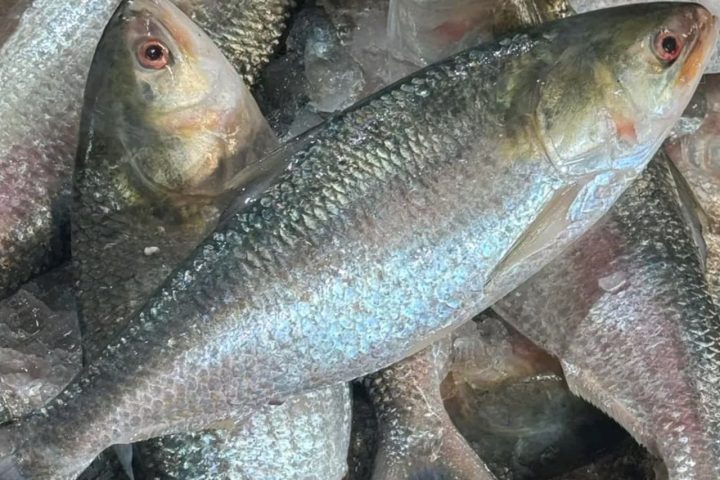
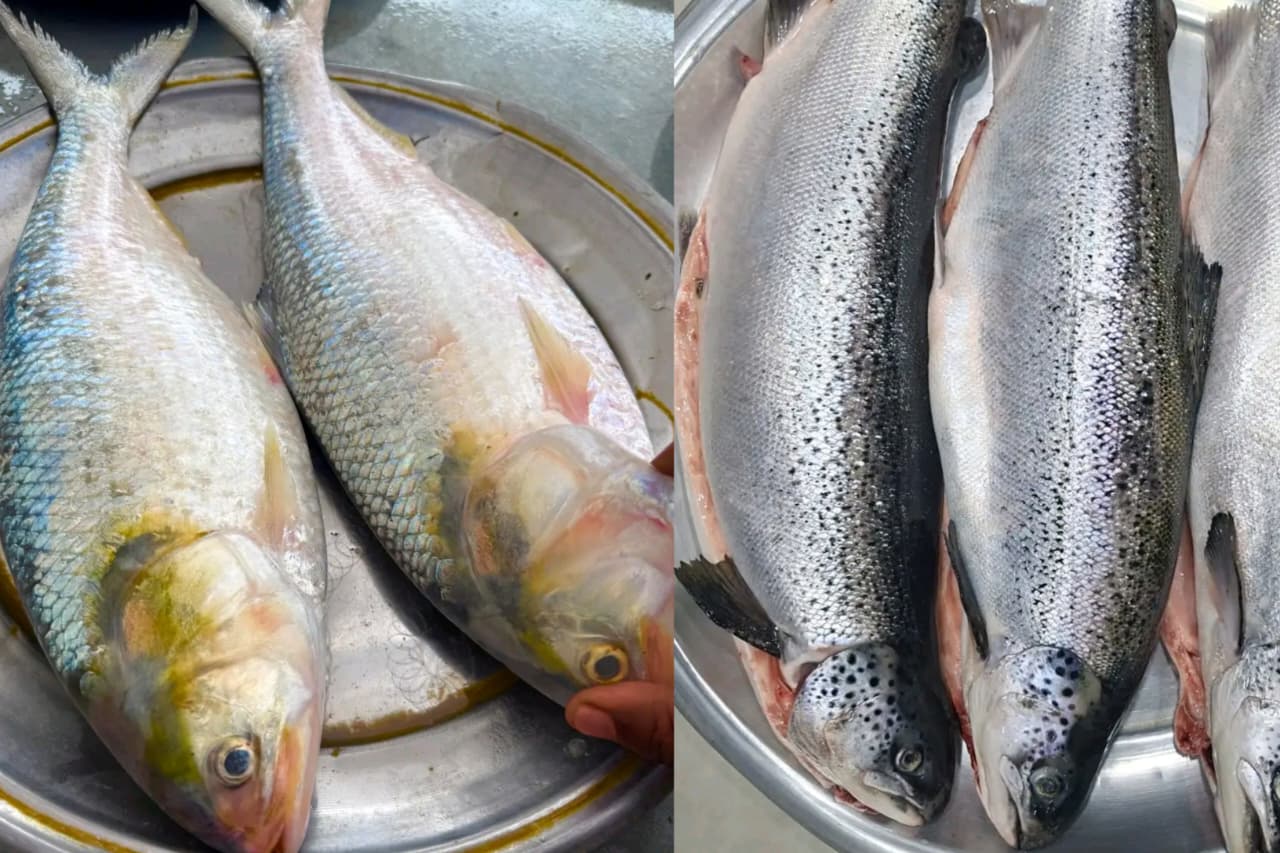
The seafood world is busy with an interesting question: Can Bangladesh’s famous Hilsa fish compete with, or even beat, the world-famous salmon?
Salmon has been the star of high-end menus, health charts, and global products for decades. But growing interest around the world in Hilsa, who is known as the “silver queen of fish,” is testing that long-held power.
Why this Hilsa vs. Salmon comparison is important
Salmon farming on a large scale, a steady supply, and strong branding have helped the business grow to over $50 billion around the world. Hilsa, on the other hand, is tied to the rivers of Bangladesh deeply and is caught in the wild. A new argument has started over whether Hilsa is ready for the global expensive fish market because of its delicious taste, cultural significance, and growing demand for exports.
People who write about food, cook, and buy seafood say the battle is more interesting than it seems.
A Battle of Richness and Respect in the Flavour Profile
Salmon has a mild, sweet flavour and a texture that can be used in many ways. It goes well with sushi, grilled foods, soups, pastas, and smoked foods.
Hilsa, on the other hand, is a force of complexity—it’s oily, smells great, and tastes great. For millions of Bengalis, its taste lasts longer and has emotional value.
- Because Hilsa is so rare, chefs often call it “the truffle of fish.”
- “A taste bomb in every bite”
- “A feeling more than just seafood”
Hilsa has a level of depth that salmon just can’t match for experienced food lovers.
Who Wins in a Nutritional Battle?
Hilsa and salmon are both high in omega-3 fatty acids, which are good for your brain and heart.
But:
- Because it lives in the wild, Hilsa has slightly higher natural omega-3 amounts.
- Salmon has fewer bones and more lean protein.
- Hilsa is wild, so it doesn’t have any farm-feed contaminants.
- Because farming is controlled, the quality of salmon stays more stable.
When it comes to nutrition, the competition is tough, but Hilsa has a more natural character.
A Look at the Global Market: Can Hilsa Grow?
This is still where salmon is the clear winner.
- Salmon raised in farms is available all year.
- There are already global cold-chain and delivery systems in place.
- Prices are steady and easy to guess.
A lot of problems await Hilsa:
- Not much time to catch fish
- Wild-only stock
- Rot very quickly
- Very strict rules for protecting rivers
- Small amount of exports
Still, as high-end customers look for real, hand-crafted, wild-caught experiences, Hilsa may find its place in high-end seafood markets, like Japanese fugu or Mediterranean bottarga.
Bangladesh’s Great Chance
Hilsa can become Bangladesh’s culinary ambassador if she is treated in the right way.
- Steps that could make Hilsa famous around the world are:
- Better guidelines for the cold chain and packaging
- Branding based on GI
- High-end restaurants work together
- Food events that serve traditional Hilsa food
- Long-term security for rivers and breeding grounds
People all over the world love interesting food stories, and Hilsa has one of the best.
Is Hilsa Really Better Than Salmon?
Many people think it already does in terms of taste and emotional effect.
In terms of the value and ease of access to the world industry: not yet.
But now that people around the world want real, wild-caught foods, Hilsa is in a new spotlight where quality is more important than number.
The argument isn’t about replacing salmon; it’s about recognising that Hilsa from Bangladesh should be one of the best seafoods in the world.
FAQs
1. Why does Hilsa sound like salmon?
Both are healthy, oily fish with great culinary names, so they naturally compete when people talk about high-end seafood.
2.Which fish is better for you: salmon or Hilsa?
Hilsa naturally has a little more omega-3s than salmon, but salmon has more lean protein and fewer bones.
3. Why isn’t Hilsa as widely offered around the world?
Hilsa is seasonal, caught in the wild, and hard to export in large amounts. Salmon is raised on farms and can be bought all year round.
4. Does Hilsa taste better than salmon?
A lot of people who like food say that Hilsa has a deeper, more complicated flavour, but taste is personal.
5. Could Hilsa become a high-end fish around the world?
Yes, Hilsa could get into high-end seafood markets if they worked on their supply chain, branding, and steps to be more environmentally friendly.
Read Also: Growing Anxiety in Bangladesh as Critically Ill Khaleda Zia Awaits UK Medical Experts