Bangladesh’s trees have been more than just a way to make the country greener—they’ve been memory marks, folklore carriers, and symbols of strength. The country’s culture and feelings have been shaped by these “living guards,” from the old banyan trees that grow along the roads in villages to the coconut trees lining the beaches where cyclones are common. But the green is becoming quiet today. Bangladesh is losing the natural things that protect it at a speed that feels like it can’t be stopped, because of quick city-building, growth that wasn’t planned, and climate stresses.
The Disappearing Green and the Easily Broken Future
Bangladesh has a history of trouble balancing growth and conservation. When towns grow, old trees that are often decades or centuries old are cut down to make room for roads, housing developments, or stores. Every loss affects the environment and the heart. These trees held memories of childhood, protected street vendors, gave villagers a place to meet, and housed generations of birds and animals. Their loss makes a hole that can’t be seen in communities that are already weak to climate change.
How Trees Vanishing Affects Nature, Culture, and Daily Life
In Bangladesh, the effects of cutting down trees on the local temperature can already be seen. Places that used to be cool because of natural shade now have hotter summers and longer dry times. Villagers say that there are fewer migrating birds, the fish ponds are getting smaller because of changes in rainfall, and the crops are less productive because of soil erosion. This drop in related areas shows how taking out just a few old trees makes ecosystems and people’s lives less stable. In Bangladesh, environmental groups and experts keep saying that saving native trees is not just conservation; it is protecting identity, cultural continuity, and ways of making a living.
How Climate Change Increases the Noise of the Quiet
Bangladesh is at the front of the line when it comes to being vulnerable to climate change. The natural world has become more fragile because of rising salinity, unpredictable monsoons, and stronger storms. Naturally, when storms hit, trees absorb some of the water and wind and stop the ground from wearing away. This is especially true for mangroves like those in the Sundarbans. When these buffers are gone, disasters are worse, villages take longer to heal, and communities are more displaced.
Urban places aren’t spared either. Dhaka and Chattogram are now feeling the effects of urban heat islands. As green areas are taken away, temperatures rise. Heat waves have become more dangerous and more harmful to health since trees by the road and in parks have been cut down.
Memory, Identity, and the Subtle Erosion of a Sense of Community
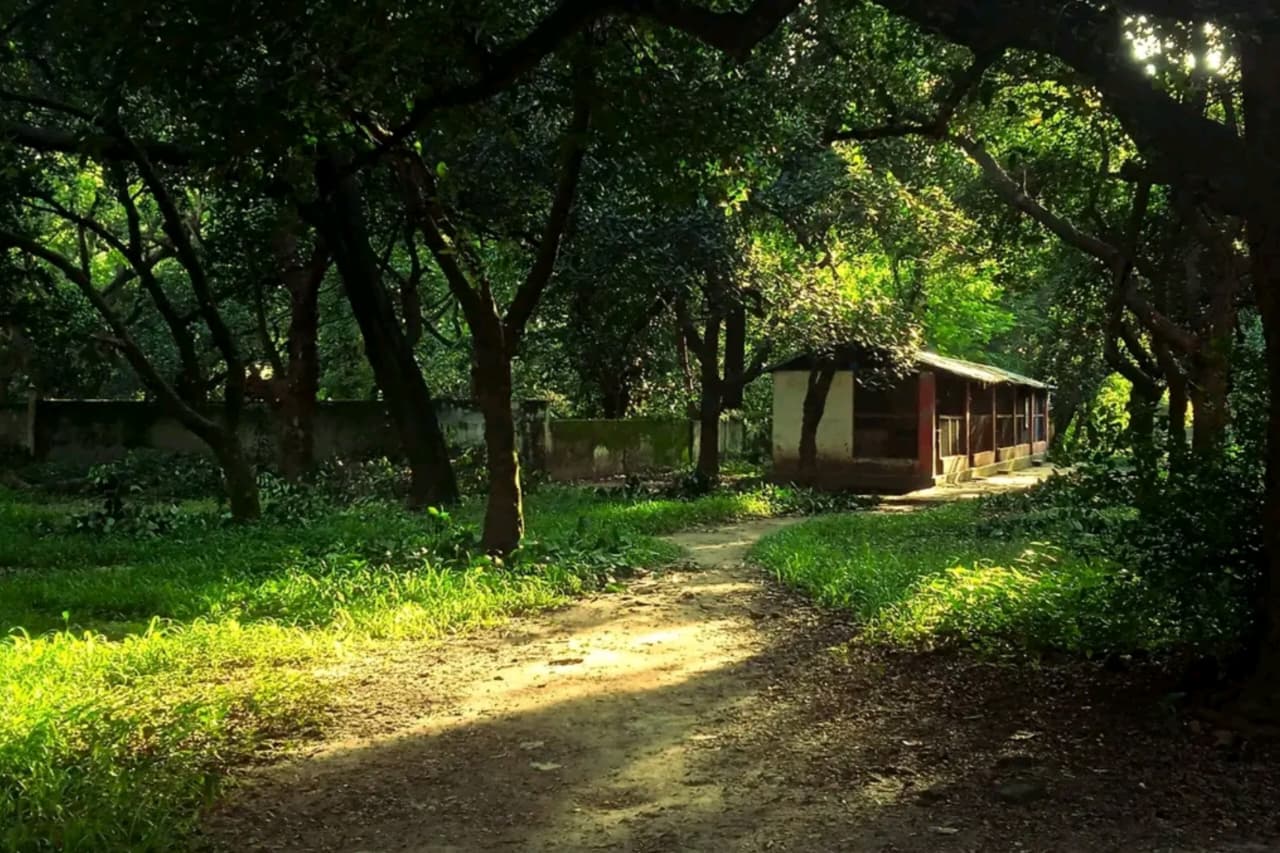
For many Bangladeshis, trees are a part of history that they remember personally and with others. The mango tree where kids spent summers for generations, the neem tree that was thought to bring good health, and the banyan tree that gave shade to elders while they told stories are all parts of a tradition that is fading away.
These trees provide more than just shade; they give people a place to connect with each other. People who haven’t physically moved can still feel displaced because of these silent losses that add up.
What Are the Options? A Way to Go Back to Green
Bangladesh’s easily damaged environment can still be fixed. Nature-based solutions like community-led tree planting, green roofs, water-smart city projects, and protecting the old-growth trees that are still standing are becoming more popular with urban planners and local governments. Ecological balance is also being restored by rural projects like replanting mangroves and using environmentally friendly methods of gardening.
But understanding is where the real change starts. Every tree that is saved protects a memory, fortifies a shield against climate change, and makes a promise to the generations that will come after us.
FAQs
1. Why do trees lose so much faster in Bangladesh?
A lot of trees are lost because cities are growing quickly, roads are being built, logging is happening without rules, and climate effects like salinity and cyclones.
2. How does cutting down trees impact people who live in those areas?
Communities have to deal with higher temperatures, less rain, soil erosion, lower food yields, less biodiversity, and fewer natural defences against storms.
3. Why do trees matter to how Bangladeshis think about their culture?
Because of their connection to childhood, community practices, and local stories, trees are often used as cultural symbols and emotional anchors as well as places to meet.
4. What part do mangroves, such as the Sundarbans, play?
Mangroves protect coasts from storms, lowering hurricane damage and stopping erosion. The area’s future depends on them.
5. Is the harm to the environment reversible for Bangladesh?
Yes, by protecting old trees, planting trees in the community, and making sure that cities are planned with climate change in mind, we can really help the environment.
Read Also: Frames of a Broken Bengal: Ray and Ghatak on Partition, Migration & Memory