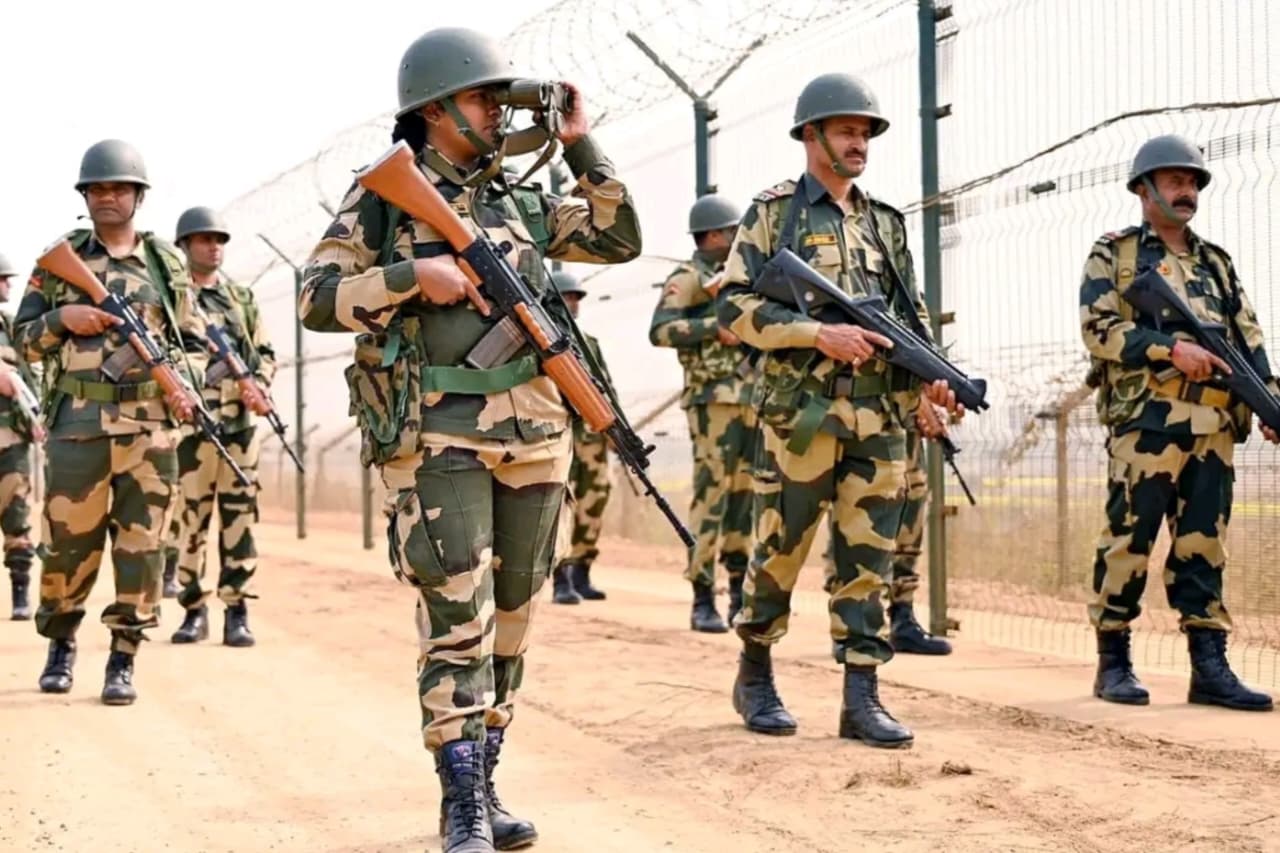
A family in Bangladesh has been living a never-ending nightmare for four long days. Their loved one was killed by India’s Border Security Force (BSF) near the border between India and Bangladesh. The body has still not been returned home to be buried. The tragic loss has now turned into an agonizing wait. This raises important questions about cross-border coordination and humanitarian responsibility.
The body is still in India
According to family members, the victim was killed near the border in India’s West Bengal region in a killing that involved BSF officers. Since then, the body has stayed with Indian officials while they finish up legal and official procedures. At the same time, the Bangladesh family that is mourning says they haven’t gotten a clear report on when the body will be given to them, which keeps them in a state of uncertainty.
Officials say that the two countries are still talking, but progress has been slow. Moving bodies usually requires multiple clearances, such as confirmation by police, postmortem reports, and cooperation between border troops on each side.
Feeling Sad Made Worse by Slowdowns
The victim’s family says they have called officials multiple times and been told it was “still under review” each time. Each day that goes by makes their mental pain worse. They can’t do very important religious and traditional ceremonies for the family without the body.
Human rights groups have said that this is a problem because it has been heard a lot that people have been shot at the border. They stress that, no matter what, giving up the bodies on time is a basic duty to other humans. They warn that delays will only make things more tense and suspicious in border towns.
Border Communities Voice Worry
People who live near the victim have said the same thing as the family: they are upset. People who live near the border and rely on cross-border travel, trade, and farm work often get scared when these things happen. They are uncertain and suddenly escalate, which affects their safety and income.
A Call to Act Quickly
The family’s simple plea as they wait is still to get their loved one’s body back so they can hold the final rites and get peace. They want the governments of both countries to speed up the process and make sure that people are treated fairly in these sensitive situations.
Their grief is put on hold until the handover is complete, and they can’t find peace until it happens.
Read Also: When the Green Turns Silent: Bangladesh’s Trees, Memory and Environmental Fragility