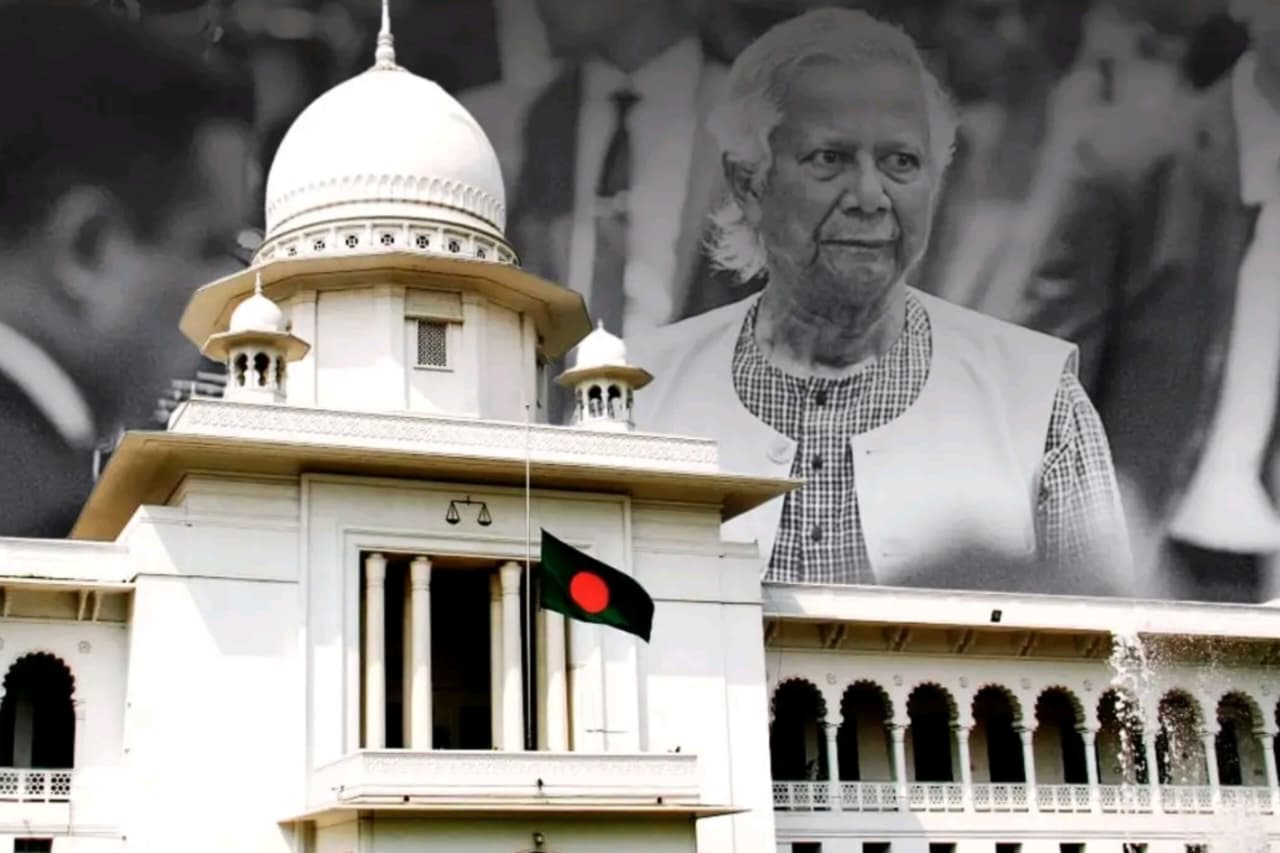
Bangladesh has come to a defining moment in its political past. After a major legal appeal was recently rejected, the court has set the tone for the interim government’s power by law and order, showing a strong and clear message about the functioning of the state based on stability, constitutional order, and the rule of law. The landmark decision of this court is thus not simply a legal result — it is a turning point that will affect the political atmosphere, the governance structure, and the democratic roadmap of the country in the near future.
A Local Court Decision Transforming the Political Setting
The judges threw out the petition challenging the interim government’s legitimacy, transforming the whole public discussion. Days after this event, the topics debated included authority, constitutional interpretation, and political neutrality. The court doing so, has practically put an end to the case of the crisis prevailing in the political field, and it has begun a new period of political stability.
The verdict argues that even if crises are always unexpected, the emergency government in the transitional period has to be the one to exercise full power and authority for the sake of national security and peace. The judges signing the verdict said that the efforts to weaken or discredit the government in this way might cause a serious disorder of the functions of the state that are of great importance.
Reasons for Refuting the Appeal
Preservation of Constitutional Consistency
The court declared that the appeal was unconstitutional and that it did not have any significant grounds. It was the constitution that stipulated the temporary government’s framework, its function and the length of the period.
Ensuring Uninterrupted Administration
One of the most important reasons for throwing out the case was the need for continuous government. While Bangladesh is organising electoral processes and the reformation of the administration, the judges of the court have made it clear that political quarrels should not be allowed to bring the country to a standstill.
Maintenance of Public Order and Defence
The introduction of the appeal, in the view of the court, might prompt the occurrence of even more riot and agitation, thus leading to the deepening of the already unstable political situation. The judiciary has taken up the task of guaranteeing peace, as it has indicated in the ruling.
Effects on Bangladesh’s Political Future
One of the most important outcomes of court decisions is strengthening the authority of institutions by such institutions. Fair courts, government organisations, and executive offices will be functioning as usual and without hesitation.
The Influence on Future Elections
As a result of the court’s decision, the roadmap for general elections is not mired in confusion anymore. They will be able to initiate all the necessary procedures without being disturbed either by legal disputes or by political activities. Therefore, voters as well as candidates can expect a more seasonable atmosphere.
Reviving People’s Trust
The public’s trust in their leaders is always at risk when any significant change in the political scene occurs. The definite legal position taken by the court has certainly been one of the main factors that has led to the public’s enhanced sense of security and confidence – the two indispensable elements during uncertain times.
Nationwide Reactions
Party Politics: The Reaction of Political Parties
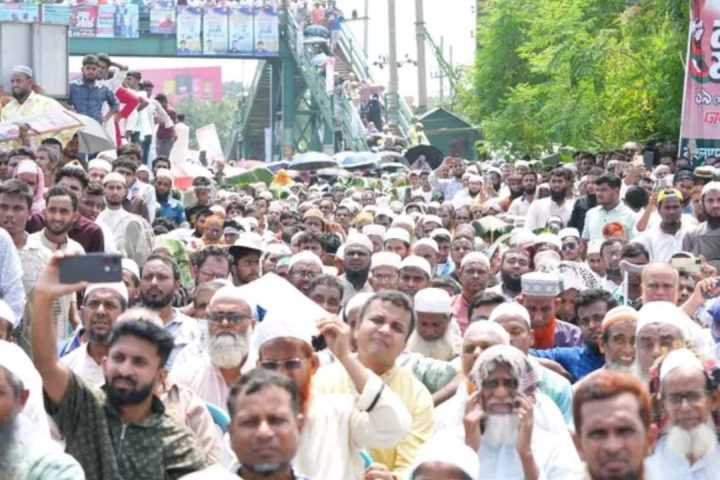
The response has been very different. Those who advocate for the interim government consider the decision a win for democracy and also the constitution. While the opposers accuse that the verdict curtails the competition among politicians, and thus, surveillance is a matter of concern.
Opinions of the Civil Society and Legal Experts
Certainly, a majority of law professors considered this resolution as a significant step toward maintaining the independence of the judiciary. Many civil society groups are enthusiastic about the transparency and are urging all political figures to abide by the decision and put the nation’s interest ahead of everything else.
Bangladesh’s Next Step
What follows will determine the fate of the court ruling. The interim government needs to demonstrate leadership, openness and accountability. Among other things, these must be guaranteed free and fair elections, law and order, economic stability, and political trust building.
Moreover, the verdict requests political leaders to engage in constructive conversations. Only through talks, self-control, and cooperation will the nation be able to maintain peace and eventually make the democratic transition stable.
Wrapping up
Indeed, Bangladesh is now standing at a turning point but with greater moxie than ever before. The court’s decision to reject the appeal and confirm the interim government’s authority is beyond judicial action – it is a decisive moment that consolidates the democratic structure of the country. The court ruling serves as a stepping stone to future leadership based on stability, accountability, and trust in the constitution.
Read Also: Narrating the Unspoken: Indian Cinema’s Engagement with Trauma, Displacement, and Memory