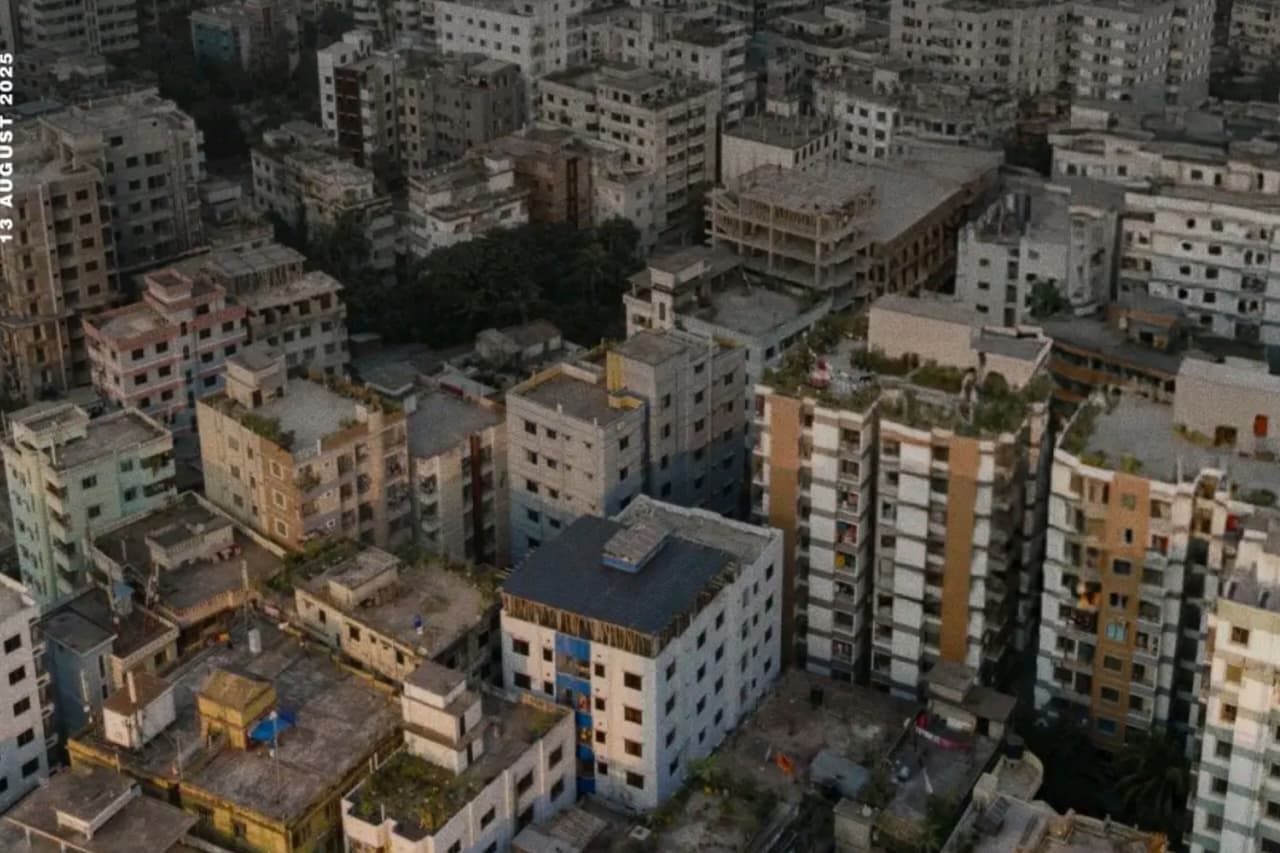
Dhaka was originally viewed as a City of Opportunity with limitless potential, high opportunities for growth, and great hope. As a result of Rapid Economic Development through the implementation of Modern Infrastructure Projects and the increasing Population Migrating to Dhaka for a Better Life, it has become one of the World’s Most rapidly expanding Megacities. Unfortunately, as seen in the article, while there are shiny Billboards, Tall Buildings, and Modern Infrastructure across Dhaka, there is a REALITY about the lack of planning that enabled this Expanding Megacity to grow much faster than planned and the resulting problems that are now being faced due to these Planning Failures.
Urbanisation and Overpopulation
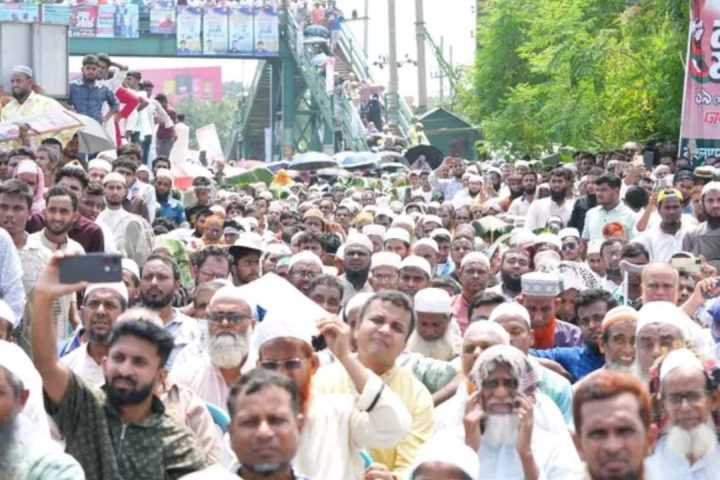
Each year, thousands of people are migrating to Dhaka, Bangladesh for better job opportunities, educational access, health care, and so on. However, when Dhaka was built, the city’s infrastructure did not have an adequate capacity to accommodate the rapid increase of people. (Transportation, housing, hospitals and utilities have all become overstressed to capacity.)
The effects of urbanisation are:
- Crowded public areas
- Crowded living spaces
- More informal slums
- Higher cost of living
Although Dhaka’s rapid population growth has provided thousands with improved living conditions, this rapid population growth has further separated those who have means from those who are able to survive through means.
The Catastrophic State of Traffic: Dhaka, Always in a Jam
Dhaka has a well-deserved reputation for being one of the most congested cities in the world. A 10-minute trip can take hours to do and costs billions of dollars in lost productivity each year. Due to the very limited road system available to its citizens, along with poorly managed traffic, compounded with a rapidly increasing number of vehicles, Dhaka is currently experiencing gridlock. While public transport reform initiatives, such as Metrorail and BRT, do provide some relief to the city’s traffic problems, it will not solve the decades-long mismanagement of traffic that the city has experienced.
Pollution and Declining Environment
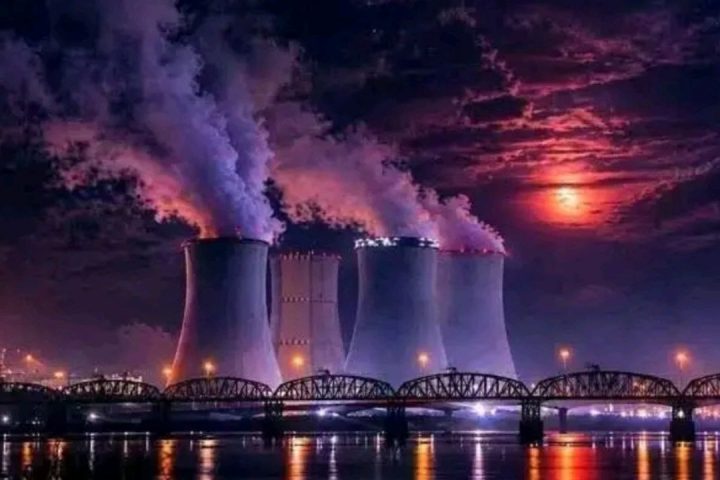
Dhaka is one of the most polluted cities on the planet. The air, rivers, and industrial waste that are being dumped into its waters are creating a significant negative impact on public health and the environment. Rivers like the Buriganga and Turag, once the lifeblood of the city, have been drained of their vitality and have turned into a black, toxic wasteland filled with chemicals, raw sewage, and industrial waste.
Fragile Infrastructure & Unplanned Growth
Dhaka is vulnerable to flooding from heavy rains due to poor drainage, and there is the potential for earthquakes because of poorly designed and unregulated structures. Consequently, Dhaka is facing a crisis of chaotic urban growth where time and place are no longer determinants of urban development.
Living in Hope?
Despite these many challenges, there are still opportunities for the future of Dhaka. Implementing smart urban planning, enforcing regulations on environmental issues, providing improved transportation options that incorporate both public and private modes, and the decentralization of some of the major city services will provide the foundation for the recovery of the great dream of Dhaka. The success of Dhaka in the future will depend on the decisions we make today regarding both growth and responsible development.
Frequently Asked Questions (FAQ)
Question 1: Why is Dhaka classified as a megacity?
Answer: More than 10 million people live in Dhaka and this number is expected to keep on increasing quickly.
Question 2: What are the most serious problems facing Dhaka today?
Answer: Traffic congestion, air and noise pollution, and over-population remain three of the major problems for urban living.
Question 3: Will Dhaka become a better living city?
Answer: A City that supports all people—yes, but only with good land-use and urban planning policies, sustainability practices, and better public facility provisions for everyone.
Question 4: What is the cause of pollution in Dhaka?
Answer: The industrial sector’s waste, the brick kilns, the emissions from vehicles on roads, and bad waste collection.
Read Also: Your Ultimate Guide to the Largest Music Festival of the Year — BPL Music Fest 2025