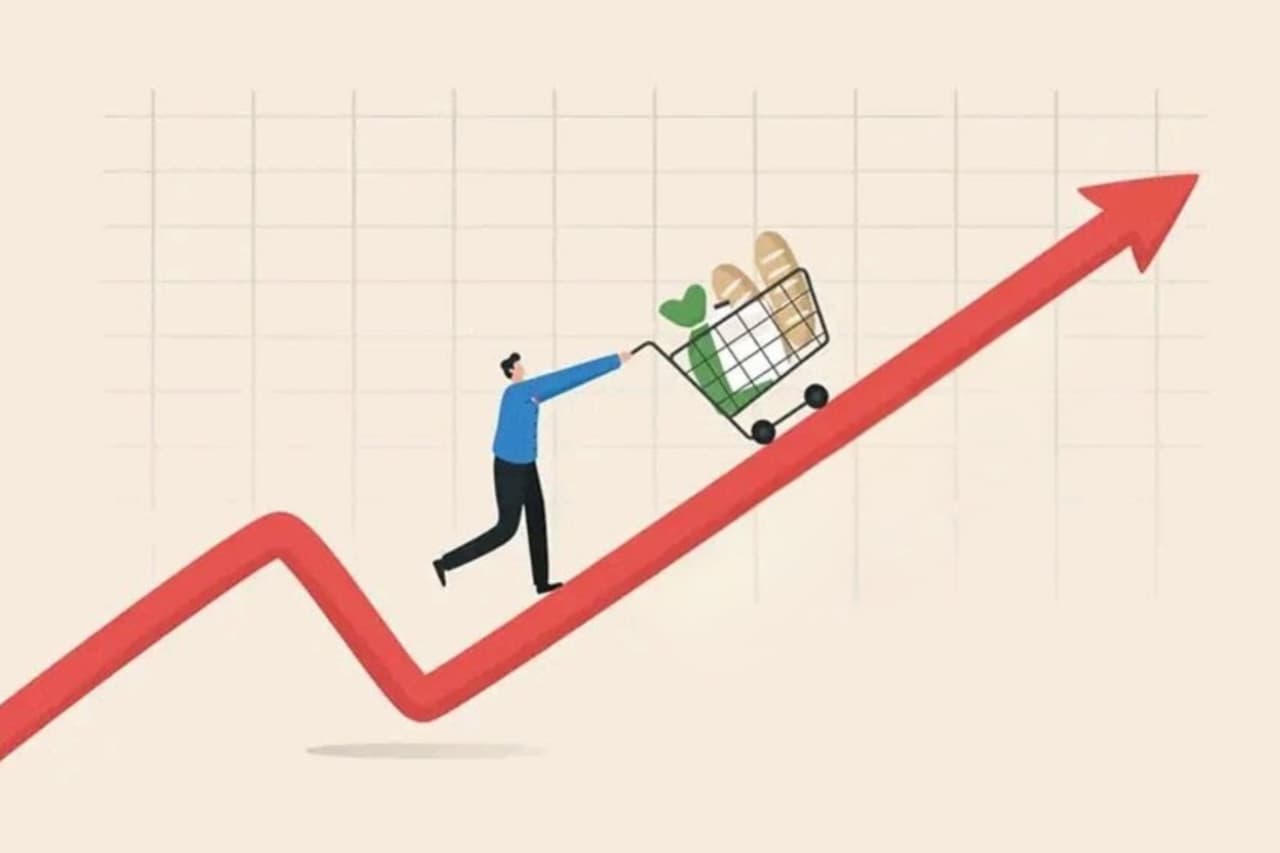
As a new government report worries about rising risks, Bangladesh’s economic outlook for 2025 has become more cautious. The Planning Commission’s latest report says that the country is in a “critical phase” with ongoing inflation, a lack of money in the budget, and increased pressure on family spending. Policymakers had hoped that the situation would slowly become more stable, but the new figures show that things may be more difficult than expected.
Inflation Won’t Give Up, Pressing Families
The main issue the study draws attention to is inflation, which is still much higher than what is considered comfortable. In particular, food inflation is still high, which impacts millions of people who depend on vegetables, lentils, rice, cooking oil, and other basic goods.
Due to higher costs for imports and the effects on the supply chain, food prices are changing for people who live in the country, while people who live in the city are paying more for transportation and utilities. The cost of living is going up, and it’s getting harder for people with low or middle incomes to deal with it.
Financial Pressure Makes It Hard to Move
Limited fiscal room is another big problem. The report says that government revenues have fallen short of targets, which means that the government has to cut back on spending that would help the country grow and focus on spending that is important.
The lower VAT effectiveness, slower business activity, and lower tax collection have all led to shrinking revenues. At the same time, the calls for government support in farming, energy, and social aid keep growing. The mismatch makes it hard for the government to react to new shocks.
The public debt is still under control, but experts say that if the government’s money problems get worse, it might have to borrow more money in the future at a higher cost, which would limit spending on building and welfare programs.
The banking industry is under a lot of stress
The study also talks about the weak spots in the financial sector. People still don’t trust the banking system because of high amounts of non-performing loans (NPLs), shortfalls in liquidity, and poor corporate governance.
Tight monetary policy, which is meant to keep inflation under control, has made it even harder for the private sector to raise money. Getting loans has become more difficult, especially for small companies. This slows down the creation of new businesses and jobs.
A fragile banking situation slows down growth and raises risks for people who put money in the bank and people who invest.
Increasing Prices Put Social Stability at Risk
Economists say that long-lasting increases in prices could make things more unbalanced in the economy and in society. When family incomes don’t keep up with costs, people can’t spend as much, they save less, and their financial anxiety increases.
To deal with higher prices, many families cut back on protein, healthcare, their kids’ schooling, and emergency savings. All of these things can make inequality worse.
What Needs to Be Done Right Now?
The study calls for quick changes to how taxes are collected, how banks are supervised, and how prices are set. To get economic trust back, people need to be able to make more money, better regulate the market, and make sure the value of money doesn’t change.
Bangladesh has been through a lot with its economy, but experts say that delays in fixing the current problems may make it harder to get back on track.
Read Also: Why Hasina Remains in India: Jaishankar Offers a Diplomatic Explanation