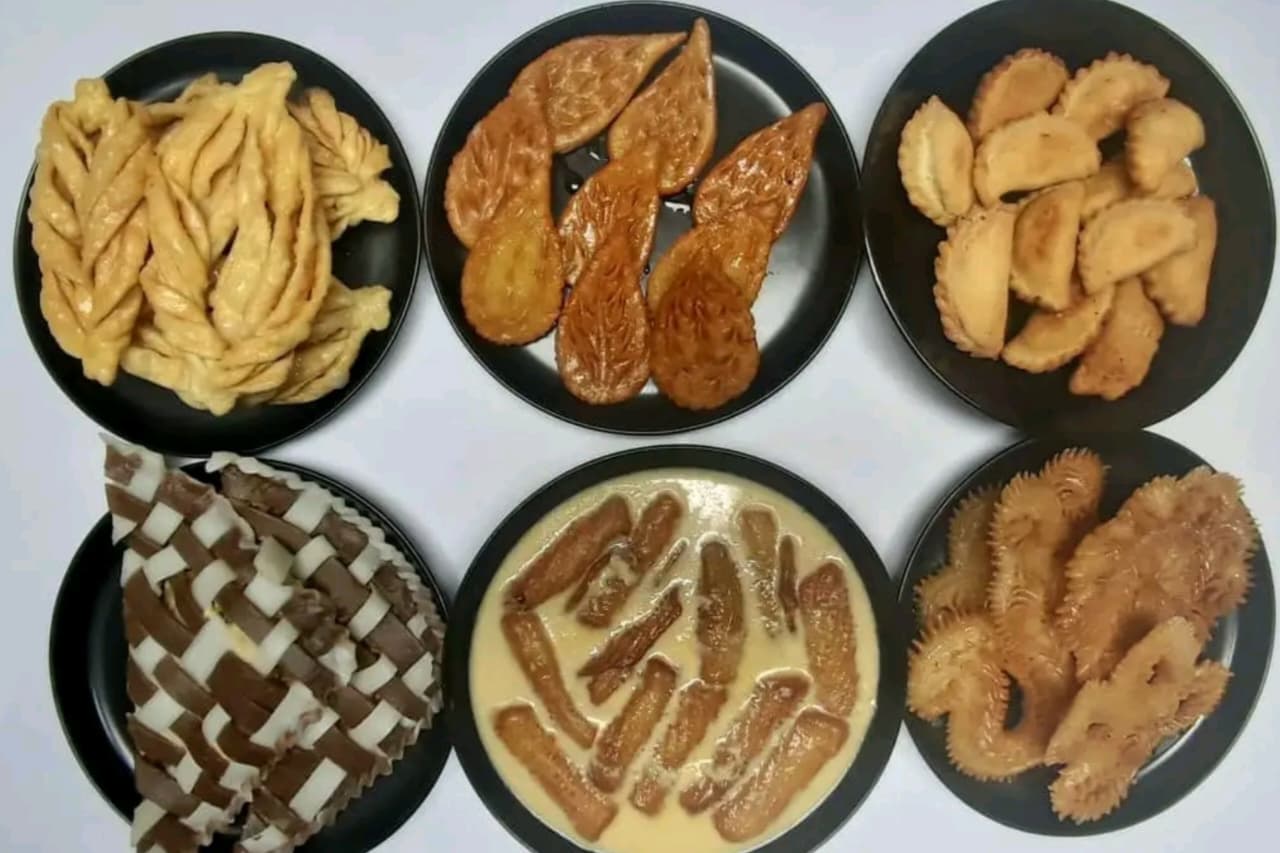
In Bengal, when winter comes, the air smells like food being made at home. Pitha, which is the traditional Bengali rice cake or sweet, is at the heart of this seasonal party. It turns ordinary kitchens into lively, warm, and festive centres. Every dish, from the golden puli pitha to the hot patishapta, has a story to tell about culture, community, and creative cooking.
The Magic of Making Pitha in the Winter in Bengali
Pitha is a symbol of Bengali culture in the winter, not just food. As families get together to make and share these treats, they bring back recipes that have been passed down through the years. Bhapa pitha, made from rice flour ground just before cooking it and sugar, and naru, a ball of coconut and rice, are common foods that bring back memories and make people feel better.
This holiday excitement can also be seen in markets all over Bengal, which sell fresh rice flour, coconuts, and jaggery made from date palms, making shopping a festive experience. Poush, the winter season, is linked with these food-related events, giving the otherwise cold months a warm and lively charm.
Pitha and Cultural Unity
The social part of pitha is what makes it unique. Preparation is not something that is done by one person; it is done by people of all ages working together. Kids help make the pithas, older people give them direction, and the whole family gets together to taste the finished goods. In rural Bengal, neighbourhood pitha mela or fairs let people show off what they’ve made, which supports local culture and traditional ways of making things.
These get-togethers make people more united and local, and they bring communities closer together, turning winter into a live festival of shared culinary joy.
New Takes on Old Things
Traditional pithas are still popular, but modern Bengali families are trying out new flavours and fillings. Chocolate, dry fruits, and condensed milk are now being used with the original coconut and jaggery fillings. This blend keeps younger people interested and lets traditional practices change while still honouring the past.
Bengali chefs and food writers are also using social media to share new pitha recipes and get people to try making them at home. This has turned pitha into a culinary trend outside of Bengal.
Why Winter in Bengal Feels Like a Celebration
It is a time to celebrate during winter when the weather is cold, the mood is festive, and the kitchens smell good. Pitha is a symbol of this warmth because it connects food and emotion and brings to mind family practices and shared memories.
Every pitha tells a story of culture, togetherness, and the joy of sharing and giving. For Bengalis, winter is more than just a season; it’s a festival that they enjoy by cooking, tasting food, and spending time together.
Read Also: Unearthing Truth: Bangladesh’s Bold Move to Identify July-Uprising Victims