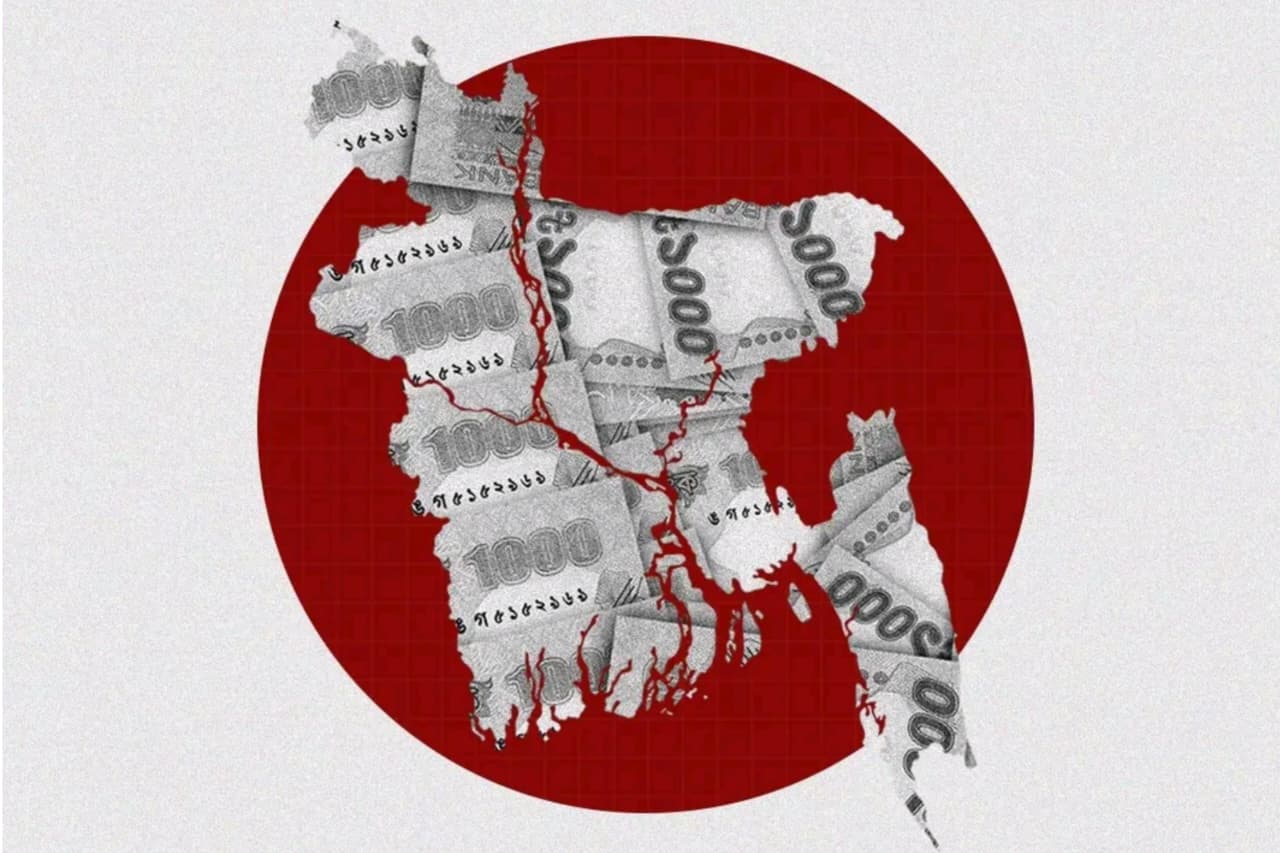
In the last ten years, Bangladesh has become a growing economy known around the world, going from a quiet regional performer to this. The country’s GDP grew steadily, and its poverty level dropped quickly, thanks to the public’s steady investment in the economy and the foreign workers who send money home, as well as the growth of the ready-to-wear clothing industry. But behind this growth were problems that have become clearer lately.
The Rise: Rapid Growth and Progress in the Community
Bangladesh had long, steady growth, and there were gains in women’s employment, healthcare, and literacy. It became easier for people to move to cities, and the internet economy started to grow. People around the world were more confident after these successes, and they wanted to help with growth in other countries.
The Check: Built-in Problems Started Showing
The economy depended on a small group of exports, even though it was growing strongly. Bangladesh’s problems became clear when global markets got weaker. The country’s reliance on clothes made it vulnerable to changes in the supply chain, competition over wages, and global shopping cycles. The economy stayed vulnerable because exports weren’t varied.
Cost-of-Living and Inflation Pressures
In the last few years, inflation has gone up a lot. It costs more to feed people and get fuel because of world shocks. This lowered people’s ability to buy things and had an effect on millions of families with low incomes. The central bank’s monetary tightening made it even harder for businesses to get loans.
Banking-Sector Weakness
A lot of banks had poor leadership and high rates of non-performing loans, which hurt the security of the finances. Lending money in a dangerous way kept happening because there wasn’t much oversight or responsibility. This led to a slowdown in private-sector investments, which had an impact on both the creation of new jobs and the general momentum of the economy.
Foreign Exchange Stress and Running Out of Reserves
A major worry has been the drop in foreign exchange assets. The reserves were put under pressure because of rising import costs, global tightening, and falling formal money transfer routes. This caused the money to lose value and raised the prices of necessary goods from other countries, which made inflation even worse.
Vulnerability to Climate and Loss of Productivity
Bangladesh is one of the most climate-affected countries in the world because of where it is located. Floods, cyclones, heat waves, and erosion hurt property, disrupt agricultural yield, and lower productivity. Every year, climate risks put a lot of economic pressure on the country.
The Need to Export Different Goods
For long-term stability, Bangladesh needs to move into higher-value businesses beyond clothing. Electronics assembly, pharmaceuticals, agritech, and IT-enabled businesses all have bright futures. Diversification will make the economy less vulnerable and boost its ability to compete with others.
Boosting small businesses for inclusive growth
Bangladesh’s economy is based on small and medium-sized businesses. But a lot of them don’t have access to loans, technology, or markets. Reforms, training, and financial help can make small businesses stronger. This can lead to more innovation, more jobs, and higher incomes.
Creating a workforce that is skilled and ready for the future
A strong workforce is very important for changing the economy. Bangladesh needs to put more money into digital skills, vocational training, and modern industry. These kinds of investments can help young people get better jobs and help businesses move to higher-value production.
Using Digital Transformation to Drive the Economy
More and more people are using digital payments, shopping online, and using services that rely on technology. Bangladesh can bring in more money, make the business environment more friendly, and create new economic chances—especially for women and young people—by upgrading its digital infrastructure and encouraging new inventions.
Long-Term Safety Through Climate-Smart Growth
Making smart choices about climate change is very important. These choices can include investing in renewable energy, resilient farms, and sustainable cities. These projects not only help communities, but they also get money from abroad and lower the economic damage caused by climate disasters.
Better Governance and Fiscal Management
Better leadership is important for renewal. Cutting graft, making public investments more efficient, and making sure that financial practices are open will help get investors back. Better handling of public finances can also make sure that money gets to the areas where it can make a difference.
Path to Recovery: A Balanced and Disciplined Way
Bangladesh’s economy needs both short-term and long-term changes in order to get it going again. Inflation must be carefully managed by the government. It must also rebuild its reserves and regain trust in its finances. At the same time, big changes need to be made in exports, skills development, financial governance, and climate resilience in order to start the next phase of the country’s growth.
Last Words
Bangladesh‘s economic progress in the last ten years reveals both its strong and weak points. The country has a lot of promise, but there are big problems ahead. With strategic reforms, disciplined execution, and global backing, Bangladesh can move from recovery to long-term, all-inclusive growth. This would mark the start of a new economic era.
Read Also: All You Need to Know About Bangladesh Public Holidays in 2026