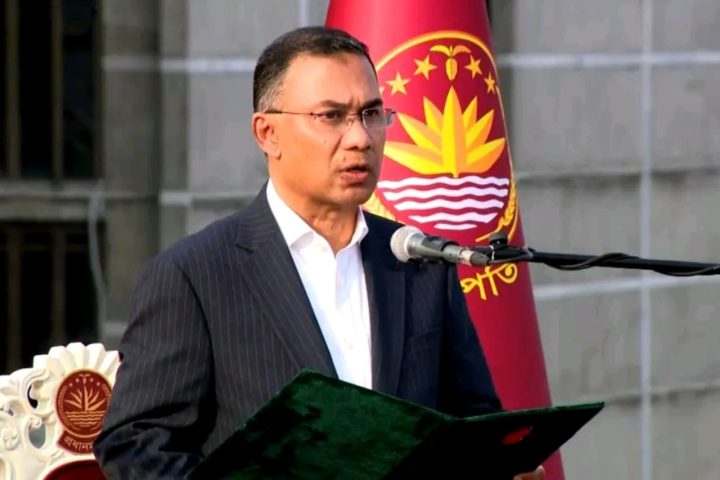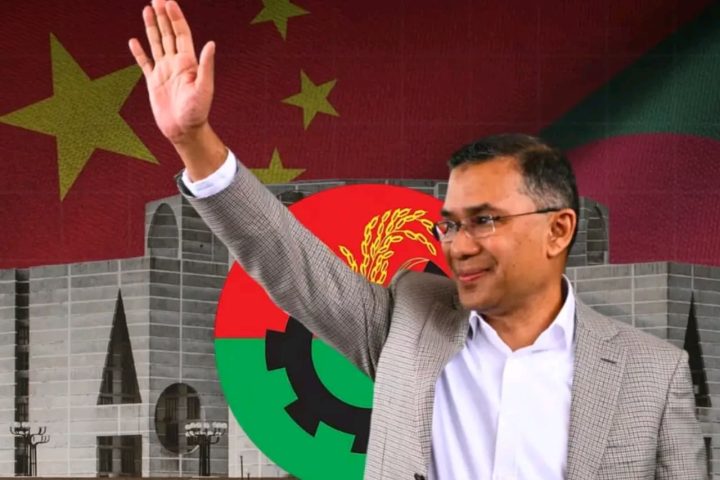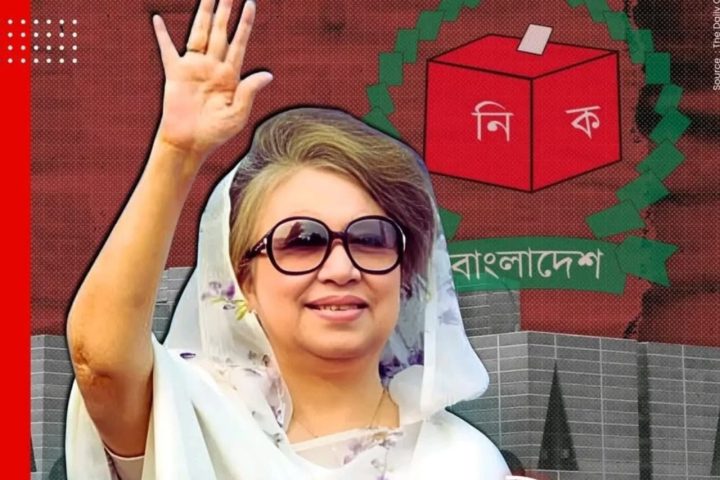
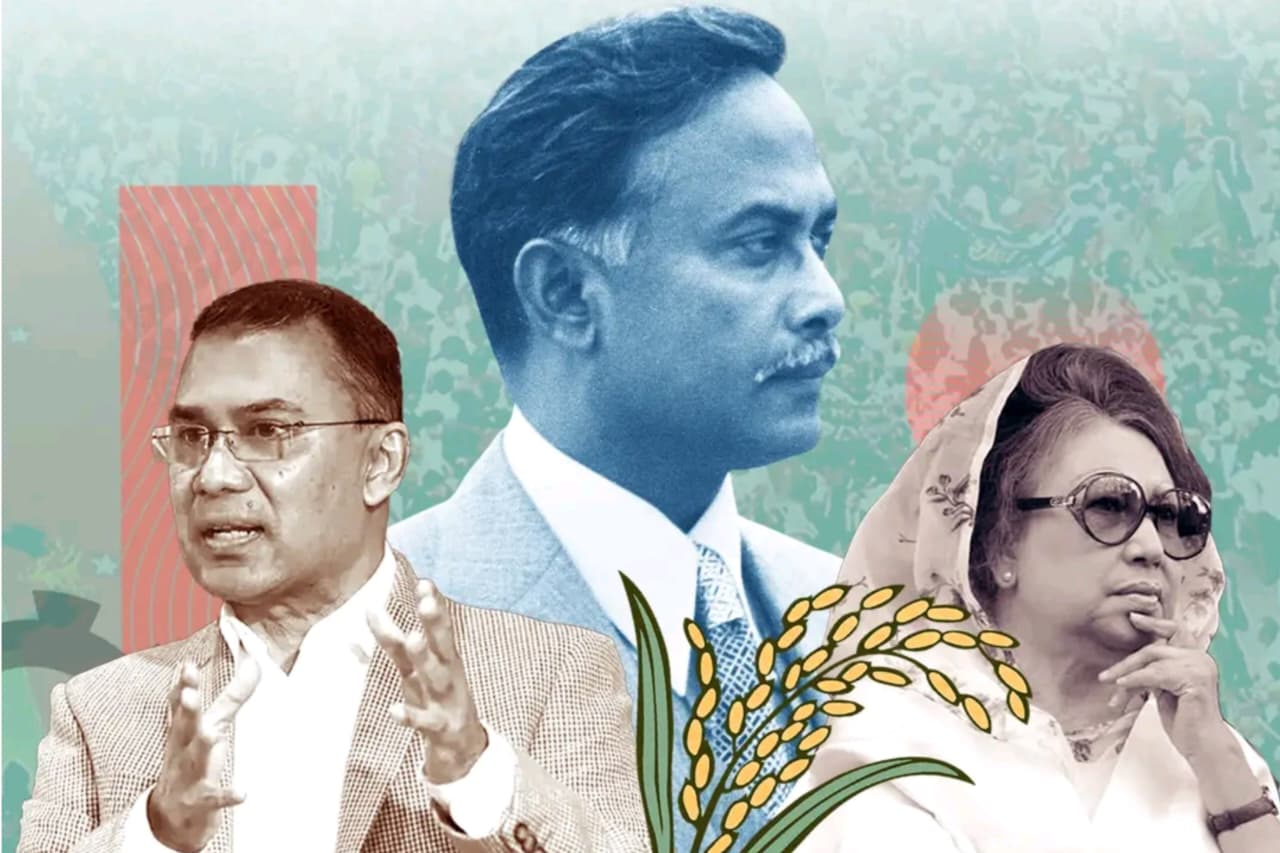
One of the most dramatic changes in the political narratives as Bangladesh gears up for a national election that will be closely followed is the BNP’s attempt to adopt a liberal political identity, which is a space that has been traditionally occupied by Sheikh Hasina and the Awami League. The party seems to be recalibrating its strategy to revive its political fortunes and reconnect with the urban voters, as well as portray itself as a moderate party to the rest of the world.
A Strategic Shift in Tone and Messaging
With the political scene within Bangladesh remaining ideologically divided between the two major parties, the ruling Awami League being known for progressive and secular politics and the BNP holding more conservative views, the latter’s communication style is indicative of a change towards softness. More focus is now being put by party leadership on performing democratic reforms, ensuring civic freedoms, and promoting social inclusiveness, all themes that have been the forte of the ruling party. This move by BNP hints that they want to win over the educated youths, middle-class voters, and also the eyes of the international community.
Analysts view this rebranding campaign as an indication of BNP’s move towards a long-term liberal political strategy in Bangladesh, which is a long-tail narrative that is receiving more academic and diplomatic attention. By conforming to universally accepted democratic norms, BNP plans to rehabilitate its image and refute criticisms levelled against it in relation to political instability, protest violence, and choice of alliances. This background is very significant when it comes to figuring out how the party is planning to grow its voter base as well as stay relevant in a very fast-changing political climate.
Why BNP Is Moving Toward a Liberal Position
The change in position is not devoid of political chess-playing. The opposition BNP has been dancing to the tune of a call for a transfiguration of its image—not only to be able to relate to urbanites and younger groups of people but also to satisfy foreign investors who constantly point to democratic norms and transparency as requisites.
Western diplomats and rights groups continuously urge all political parties to promote peaceful participation and institutional reform. The new messaging of BNP appears to be in line with these demands, which in turn could allow it to establish legitimacy from outside sources.
How Hasina’s Liberal Image Shapes the Contest
Long-term Prime Minister Sheikh Hasina has effectively convinced the public that she is the one bringing stability, women’s empowerment, and economic modernisation. The liberal and development-centred character of her leaves very little room for competition. By mimicking some aspects of this personality, BNP seems to be trying to:
● Reduce ideological polarisation
● Present itself as a viable, modern alternative
● Attract voters tired of confrontational politics
Though critics maintain that merely changing the political brand without organisational reform won’t be sufficient to gain the trust of the wider public.
Challenges BNP Faces in Rebranding
The party, however, despite its goodwill, is stumbling on a number of rocks. Divisions within the party, lack of direction from the top, and scepticism of the people are still the major stumbling blocks against the launch of the new image of the party. There are still quite a few people who link the opposition BNP with the past periods of unrest and inconsistency in policy.
Besides that, total acceptance of a liberal identity may cause the loss of the conservative side of the party’s traditional support base. The ability to balance both sides of the ideological spectrum will determine the seriousness of the BNP.
What This Means Ahead of the Elections
The political scene in Bangladesh is now gearing up for a new season where the characters’ reputations and control over the narrative will be the determining factors of success. The effort on the part of the BNP to take on a more liberal stance is an indication that the party is aware of the changing demands of the voters and the international community. The answer to this question depends, on the one hand, on the consistency with which the party conveys such a transformation and, on the other hand, on whether the voters consider it a genuine change.
Read Also: Bangladesh Economic Journey: Challenges of the Past Decade and Path to Revival