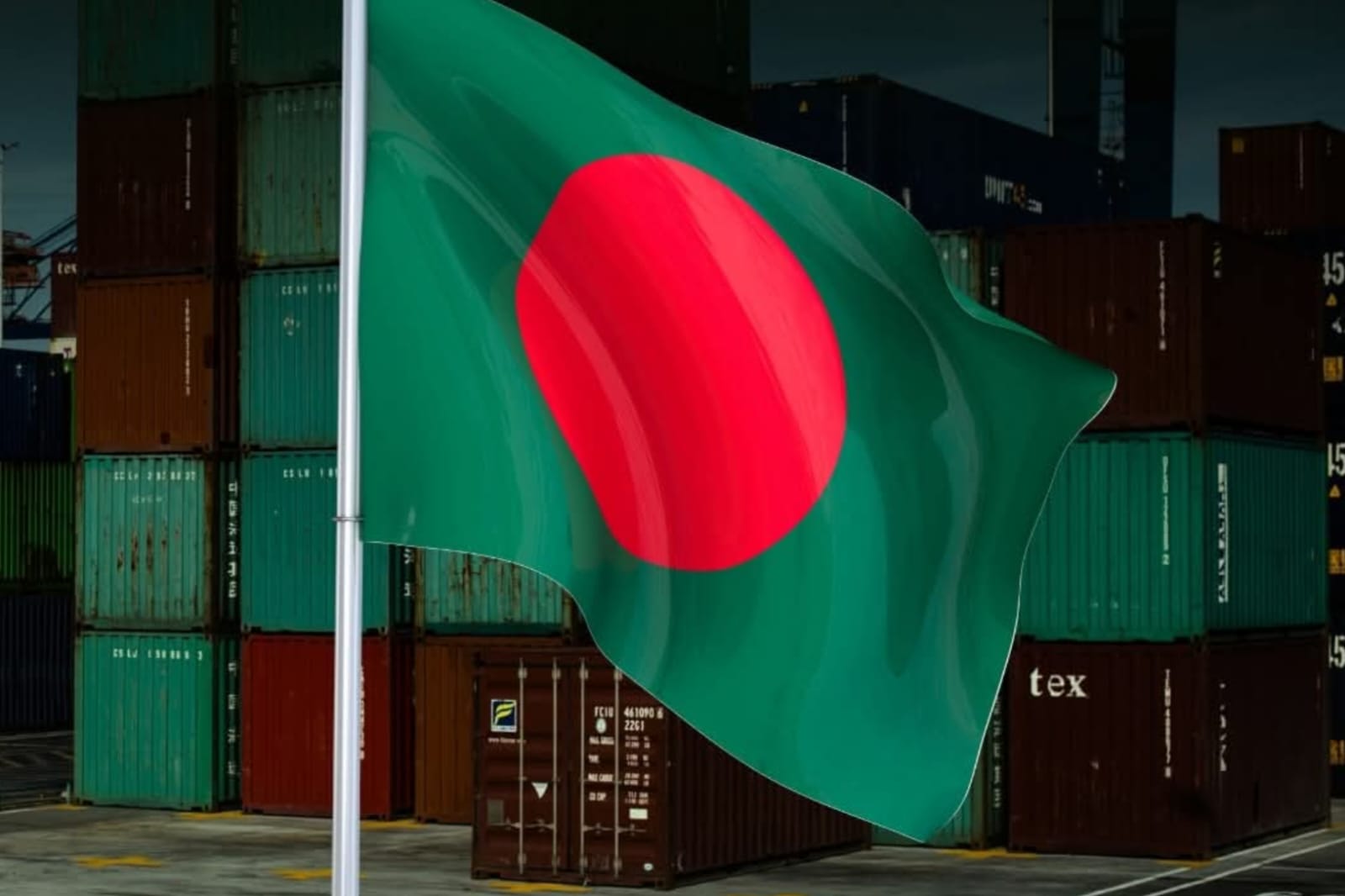
The export and import pattern in Bangladesh can be taken as the indicator of developing country in terms of global trade and increasing economic strength. Within the last 10 years, Bangladesh has enhanced export base and coped with the increase in import requirements with the growth of industry, energy requirements, and consumerism. Trade flows are crucial in the growth in the GDP and the employment of people in terms of garments and textiles, agricultural products, and machinery in industries. Knowledge of export and import pattern of Bangladesh assists policy makers, investors, and businesses to determine the opportunities, challenges, and future objectives in one of the fastest-growing economies in South Asia.
Current Export Landscape of Bangladesh
Bangladesh export and import trends portray the export as the significant source of economic stability. Ready-made products (RMG) are taking up the export basket with over 80 percent of the total export earnings. The core markets are the European Union, the United States, and the developing Asian markets.
Other products that have been diversified in Bangladesh in recent years include pharmaceuticals, leather goods, jute products and light engineering products. This has diversified them, leading to a lack of reliance on one sector, and an increase in their ability to export in times of global economic downturn. Favorable government policies, exemption of duties on major markets, and cheap labour also have been an aid to growth of exports.
Import Patterns and Key Dependencies
Imports are very necessary in ensuring industrial and infrastructural growth. The export and import patterns of Bangladesh show that there is high demand of capital machinery, petroleum products, raw cotton, chemicals and food grains. These imports serve the industry of manufacturing, energy generation, and food security.
Nevertheless, commodity prices all over the world and fluctuation of exchange rates have led to higher import bills thus straining the foreign exchange reserves. In order to control this, the government has increased import controls on non-essential goods and emphasized industrial and energy related imports.
Trade Balance and Economic Impact
Although the export growth is experienced, Bangladesh is still experiencing a trade deficit caused by the increased imports. The export and import pattern of Bangladesh demands increasing the export income of Bangladesh and decreasing reliance on the imported raw materials.
The balance of the current account is stabilized by remittances by the overseas workers. In the meantime, with strategic trade dealings and better port infrastructure, the competitiveness of exports is likely to increase and the logistics costs would be minimized.
Future Outlook for Bangladesh’s Trade
In the future, the export and importation of Bangladesh is likely to be changed upon the removal of the Least Developed Country (LDC) status. Although this can take away some of trade privileges it promotes innovation, productivity and diversification of the market.
Investment in renewable energy, technology and value-added production will determine the future demands in imports and possible export. Sustained growth will be achieved through strengthening of trade policies and extending regional trade partnerships.
Read Also: What Is Fueling Bangladesh Unrest? Key Causes Behind the Growing Protests