
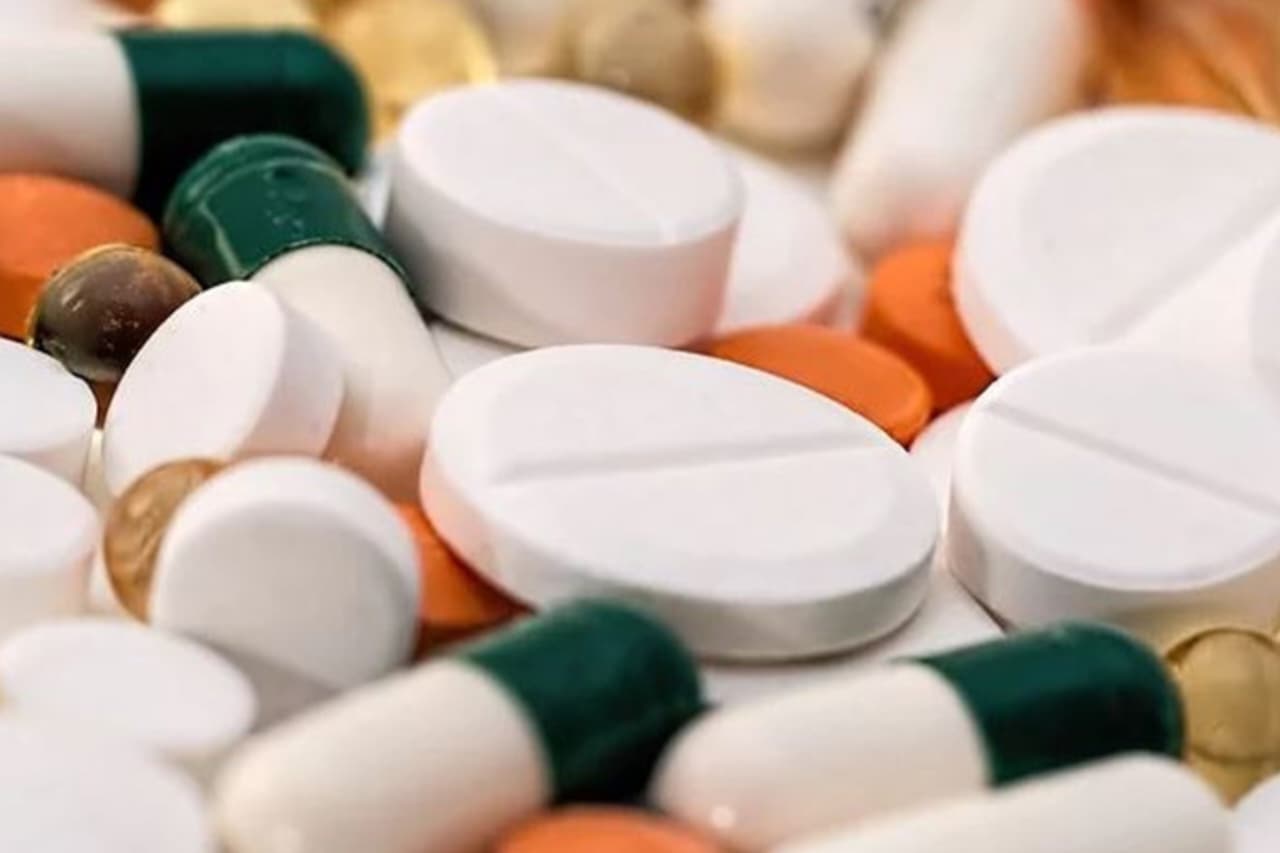
Antibiotic Resistance & Global Health Challenges
The increasing prevalence of antibiotic resistance poses a significant risk to global health and has caused many formerly manageable infections to become much more difficult to treat than ever before. While antibiotics have had a pivotal role in saving countless lives over the years, an uptick in rates of antibiotic resistance has resulted in many patients losing access to essential treatments for bacterial infections.
What is Antibiotic Resistance?
Antibiotic resistance is when bacteria evolve and become resistant (or immune) to antibiotics. As more and more of these “superbugs” survive treatment, the number of “superbugs” continues to increase, ultimately defeating the purpose of standard treatment methods. There are many different factors that contribute to growing antibiotic resistance, including overuse of antibiotics by humans and livestock, not completing a full course of antibiotics, and the use of antibiotics in animals for non-therapeutic purposes.
Global Impact on Health
The AR epidemic has an effect on the world, affecting millions of people. Longer hospital stays, higher medical costs, and an increased risk of death are all consequences of AR. For example, treatment of illnesses such as tuberculosis, pneumonia, and urinary tract infections is becoming increasingly difficult for many patients in developing or middle-income countries with little access to healthcare resources. The WHO has estimated that a continued increase in resistance will result in 10 million deaths each year by 2050.
Economic Consequences
The economic burden of antibiotic resistance extends well beyond the health implications of illness. The impact of illness on an employee’s productivity is significant, leading to an increase in hospital costs related to longer healthcare visits and adding a strain to the global healthcare system. Countries are also required to make large investments in new drug development, which is both expensive and time consuming. These facts underscore the urgency for proactive actions to help mitigate the future impact on economic activity.
Strategies to Combat Antibiotic Resistance
Combatting antibiotic resistance requires global cooperation and multiple approaches, including:
- Responsible Use of Antibiotics: Prescribing only when needed and completing the full course of antibiotics.
- Infection Prevention: Utilising vaccination, hygiene, and proper sanitation as methods of reducing the transmission of bacteria.
- Surveillance and Research: Tracking the development of resistant strains through surveillance systems and conducting research into the development of new antimicrobials or alternatives to antibiotics.
- Education: Creating public awareness around antibiotic resistance reduces the overall misuse of antibiotics.
Frequently asked questions
Question 1: Is it possible to reverse antibiotic resistance?
Answer: Although harmful bacteria cannot “unlearn” resistance, prudent use of antibiotics combined with measures to control the infection will ensure that we can slow the spread of resistance and maintain the effectiveness of existing antibiotics.
Question 2: Are all antibiotics subject to developing resistant bacterial strains?
Answer: Yes, any antibiotic misused or abused will eventually lead to the emergence of resistant bacterial strains.
Question 3: What steps can I take as an individual to help reduce antibiotic resistance?
Answer: As an individual, you should finish the entire course of antibiotics your doctor prescribes, do not self-medicate with antibiotics unless advised by your physician, practice good hand hygiene, and support vaccinations.
Read Also: Clean Girl vs That Girl: Which Beauty Aesthetic Actually Works?