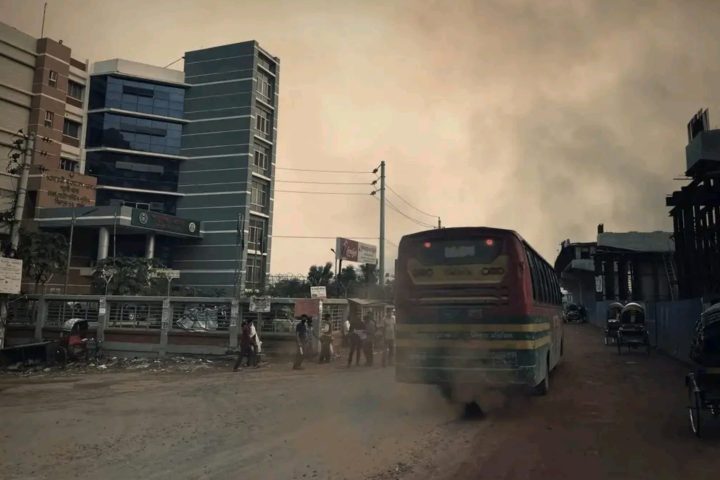
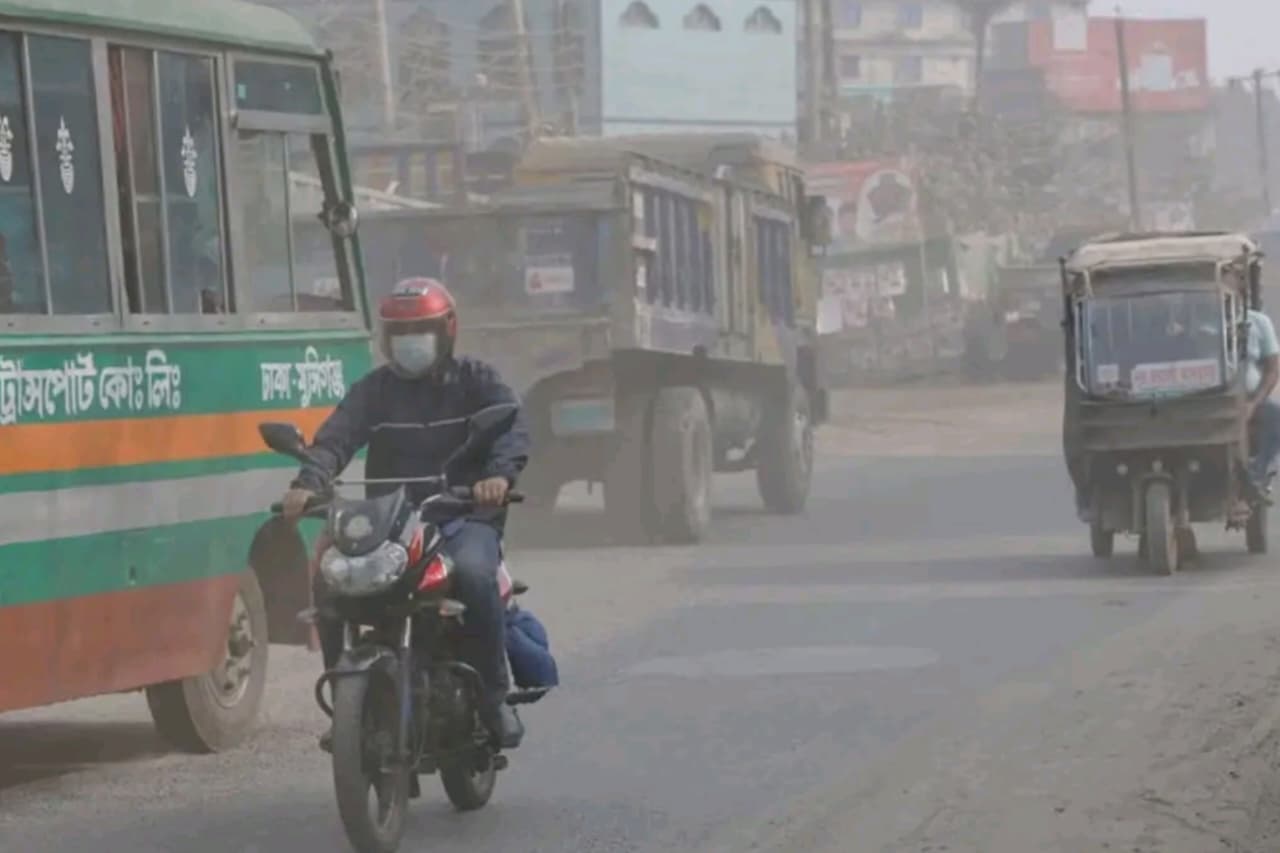
The capital city of Bangladesh, Dhaka, is one of the largest urban areas in the world, and it suffers from severe air pollution caused by toxic gases and allergens. The winter season lingers in Dhaka with a prolonged period of poor weather, resulting in extremely high levels of Dhaka air pollution that have not improved. There has been almost no breeze because of stagnant meteorological conditions and increased emissions; consequently, residents of Dhaka face these extreme environmental conditions each day, adversely affecting their health and ability to move around their environment and quality of life (i.e. work and play).
Air Pollution Created by Weather
The predominant seasonal effects of air pollution on Dhaka’s atmospheric conditions dictate the degree of air pollution. During the colder months, cool temperatures, increased relative humidity, and poor local wind projection create stagnant atmospheric conditions that trap air pollutants in an area. This causes a dramatic increase in air pollutants and produces a poor quality of air over multiple days.
Air Pollution Sources
There are a multitude of sources of air pollutants in Dhaka contributing to the air quality, and they are all working together. Brick kilns that operate in the greater Dhaka metropolitan area generate an enormous amount of thick smoke; moreover, older-style automobiles generate an incredible amount of exhaust due to poor fuel standards.
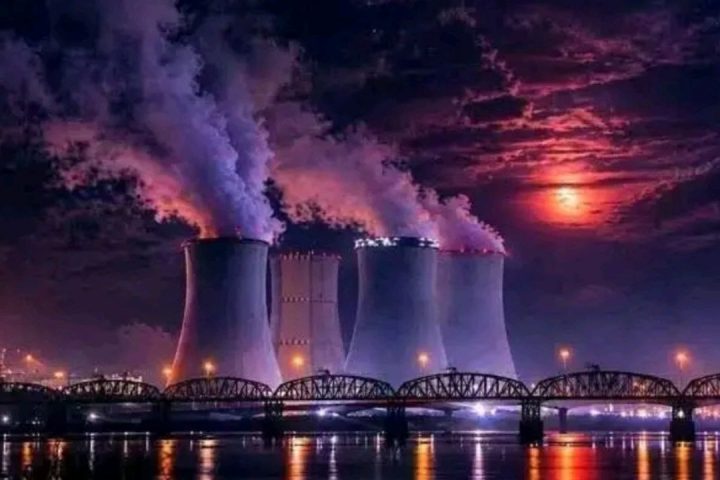
Over the last few months, the constant construction of new buildings in the metropolitan area has generated huge amounts of dust, as well as greater actual industrial emissions, which continue to increase the overall levels of ambient air pollution that continue to be potentially hazardous to one’s health during the weather conditions that exist in Dhaka.
Risks to Public Health due to Air Quality in Dhaka
Air Quality in Dhaka has an extreme effect on public health. Hospitals are seeing an increase in cases of respiratory infections, as well as an increase in asthmatic attacks due to high levels of air pollution. Children, older adults, and those with pre-existing health problems, such as heart disease or asthma, are especially vulnerable to the impact of air pollution. In addition, long-term exposure to polluted air results in increased risk for heart disease and lung damage, decreased longevity, and thus is more than just a seasonal inconvenience.
Everyday Life and Work Affected by High Pollution Levels
While the above are health-related effects of air pollution, the increasingly toxic air has become increasingly disruptive of residents’ everyday routines. For example, on days when air pollution is at its highest, drivers report reduced visibility on the roads. This makes it almost impossible to safely commute to work. In addition, people who work outdoors are having difficulty performing their jobs due to the extremely polluted air.
Similarly, schools and families are either restricting or completely prohibiting outdoor activities. Although many residents are currently using masks, purifiers, and other remedies at home as short-term solutions to a growing urban problem, they have been ineffective.
Need for Long-Term Solutions
According to experts, air pollution problems in Dhaka cannot be solved by simply waiting for favourable weather. More stringent environmental regulations, the implementation of cleaner modes of transportation, the need for better urban planning and the relocation of brick kilns, along with extensive public education and coordinated governmental efforts, are all necessary components for achieving long-term solutions to the air pollution problem in Dhaka.
Dhaka Is A City Hoping For Blue Skies
Dhaka’s residents live every day under the influence of harmful air Pollution that affects them directly. If we want to see blue skies restored to Dhaka, we must take significant action to ensure the safety of the environment in which our millions of residents breathe on a daily basis.
Read Also: Bangladesh Loses Literary Great Sukumar Barua