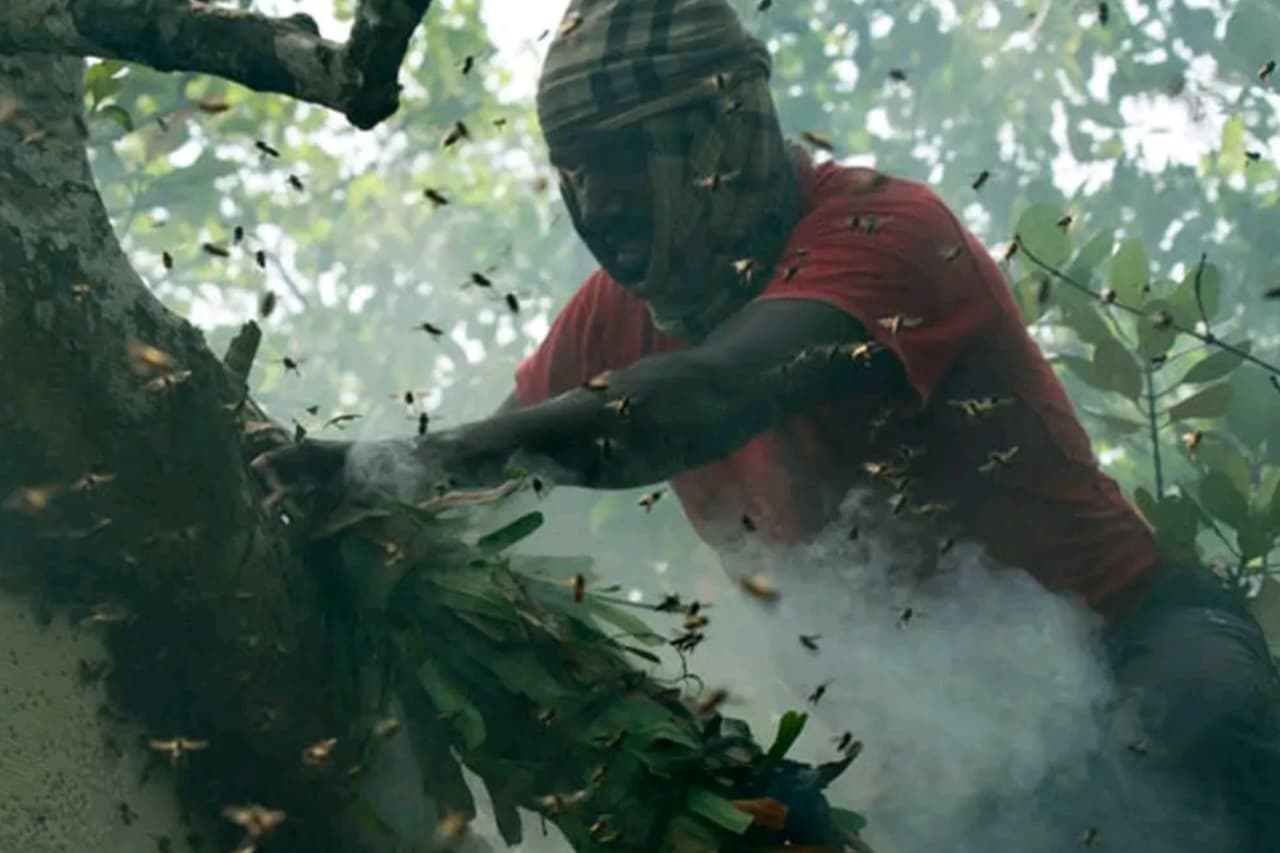
From April to June each year, thousands of fishermen and villagers from the southwestern districts of Bangladesh travel into the Sundarbans area to collect wild honey. For the people in Satkhira, Khulna and Bagerhat, the seasonal work affords them the income necessary to survive during a period of low fishing yields and limited employment opportunities.
Honey collectors typically earn between Tk 7,500 and Tk 9,000 during the season. They use this income to pay off loans from local lenders, repair fishing boats, and cover household expenses. While the amount is low, there are significant risks involved in this work, making it one of the deadliest types of livelihoods in Bangladesh.
Hazards in Forests
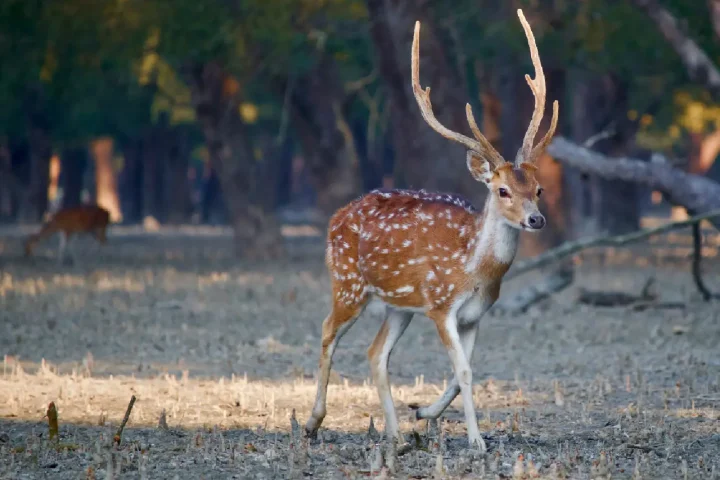
The Sundarbans is home to the Royal Bengal Tiger, and the threat posed by tiger attacks is the dominant risk for honeycrafters. Official data published by the Forest Department and unofficial estimates indicate that approximately 70 to 80 honeycrafters are killed each year in attacks by tigers that live in the Sundarbans. The number of attacks generally increases during the apex honey-collecting months.
Besides tiger attacks, honeycrafters or mawalis are at risk of poisonous snakes, saltwater crocodiles, dangerous tides, and marauders forcing them to pay money at gunpoint. If they are unable to pay, there is usually physical violence. Many families in the coastal villages of Bangladesh have experienced the loss of one or more family members from violent incidents in forests over time.
Forest-Assisted Livelihoods in Bangladesh
According to several experts, Bangladesh’s forest-dependent livelihoods remain intact because other opportunities are scarce. The honey collection industry is deeply tied to many other areas, including forest-based income sources; coastal poverty in Bangladesh; climate change impacts on fishers; and Sundarbans tiger attacks. Additionally, increasing salinity, more frequent tropical cyclones, fewer fish and decreased levels of income from traditional sources of income force people to engage in potentially dangerous work in the forests to survive.
Faith and Tradition
Before collecting honey in the Sundarbans forest, people pray to Bonbibi (the goddess who protects the people of the Sundarbans). Honey collectors follow this prayer ritual because they believe it keeps them safe from potential tiger attacks and other hazards. This prayer ritual illustrates the close cultural ties between the people of the Sundarbans and their forests.
On their honey collection trips, collectors typically use small boats and travel for about three weeks through narrow, meandering waterways. As they slowly navigate through the forests, when honeycombs are discovered, honey collectors light an abundant fire (using trees or bushes) in order to scare away the aggressive, wild bees. An experienced honey collector will cut the comb from the beehive, and other collectors will assist by keeping an eye out for tigers, and blowing trumpets or exploding firecrackers to divert any potential enemies away from the honey collectors.
Income Versus Risk: A Harsh Balance
| Key Aspect | Details |
| Honey Collection Season | April – June |
| Average Income | Tk 7,500–9,000 |
| Major Threats | Tigers, snakes, crocodiles, pirates |
| Annual Tiger Deaths | Approx. 70–80 |
| Duration Inside Forest | 2–3 weeks |
There are still many people who claim that the hazards do not matter to them and that they must go back.
‘We Go Because We Must’
Most of the Sunderban honey collectors have lost tales attached to them—friends murdered by tigers, relatives maimed, or pirates distantly encountered. Some of them even have scars that they cannot hide. But they do not stop.“If we do not go to the jungle, the family will not get food,” a veteran honey gatherer from Satkhira stated. “We are not adventurous. We are needy.”
The situation of Sundarbans honey gatherers during the climate crisis and the decline of the rural economy in Bangladesh shows that it is high time to develop safer income sources in coastal regions.
FAQs
What makes honey collection so dangerous in Bangladesh?
Tiger attack, forest piracy, dangerous animals, and harsh environmental conditions.
What is the income of honey collectors in Bangladesh?
Around Tk 7,500–9,000 is earned on an average basis per season.
Who is Bonbibi?
Bonbibi, the forest deity, is the protector of the forest who is worshipped by both Hindu and Muslim communities living in the Sundarbans.
Why do collectors not opt for safer occupations?
The rural areas pretty much have no job opportunities, are poor, and suffer from climate change effects, which leads to a decline in fish income; thus, coexistent fishing and non-fishing occupations become difficult.
Read Also: When the Sky Turns Hostile: Dhaka Residents Trapped in a Toxic Air Emergency