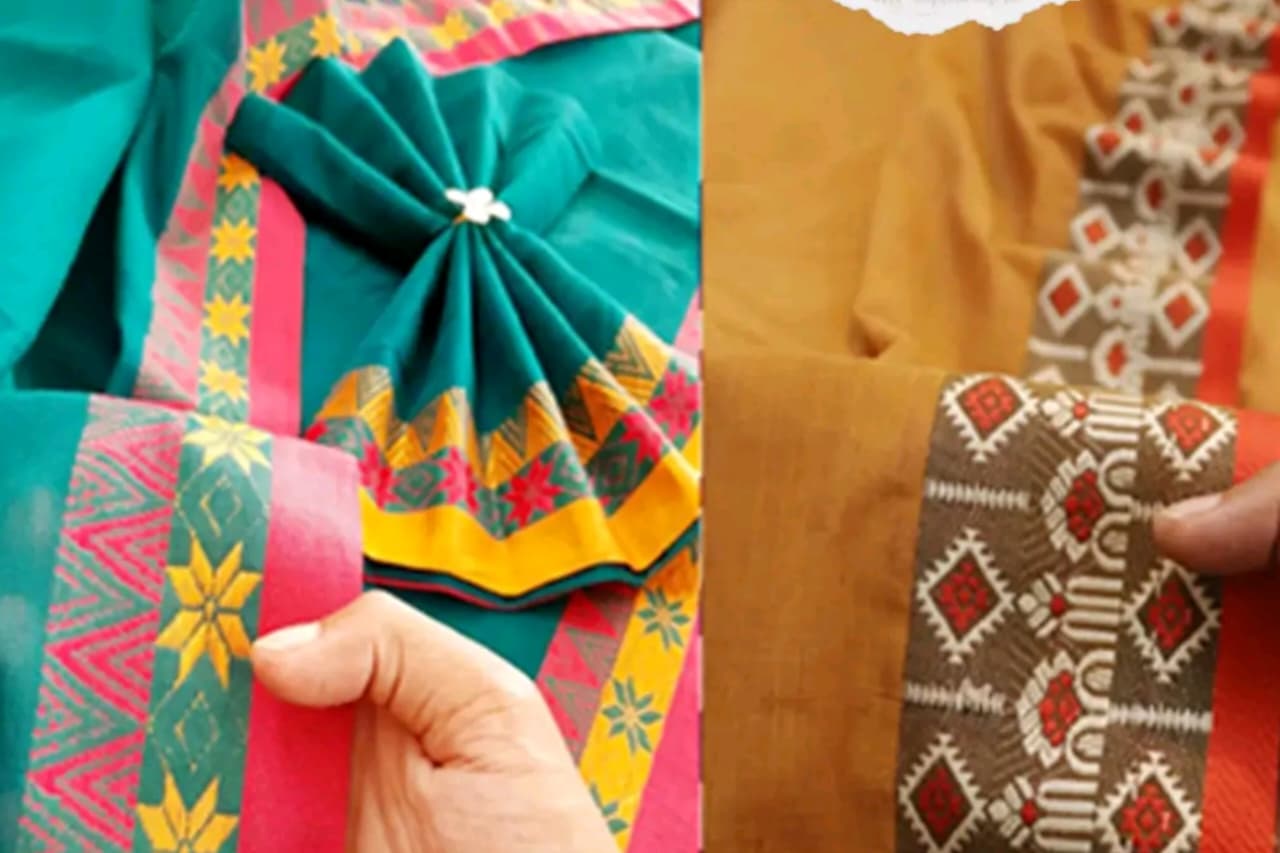
The handwoven sarees from Bangladesh have been well-known for their intricate designs, colours, and craftsmanship for a long time. The handloom sarees belong to the country’s cultural heritage and showcase the skill and craftsmanship of the weavers.
Global fashion brands are also appreciating these hand-woven sarees because of their distinct texture, sustainable production process, and narrative-based aesthetics that appeal to conscious consumers globally. The blend of art and rich cultural heritage has brought Bangladeshi handloom fabrics to international prominence.
Cultural Craftsmanship and Global Fashion
Bangladeshi hand-woven sarees, like Jamdani, Khadi, and Tangail sarees, have been renowned for their geometric patterns, flowers, and lightness. It may take weeks or even months to complete each saree, reflecting the commitment and skill of artisans.
Such a craft-based quality attracts top fashion brands in the industry who want to produce authentic, culturally valued, and morally made items. Many world-renowned fashion designers use Bangladeshi sarees in their high-fashion collections, fashion shows, as well as exclusive collaborations because of the mix of tradition and high fashion.
Popular Handwoven Sarees and Global Appeal
| Saree Type | Region | Distinct Features | Global Fashion Use |
| Jamdani | Dhaka | Lightweight, floral & geometric patterns | Couture collections, runway shows |
| Khadi | Nationwide | Hand-spun, organic cotton | Sustainable fashion lines |
| Tangail | Tangail | Bold borders, elegant textures | Designer sarees, premium export |
| Muslin | Historical Dhaka | Ultra-fine, sheer fabric | Luxury fashion, museum pieces |
Economic and Social Impact
The handloom saree sector employs hundreds of thousands of artisans, specifically women in rural areas. These sarees are highly exportable and contribute immensely towards Bangladesh’s textile revenue, with increasing demand coming from nations such as the USA, UK, Germany, and Japan.
Sustainable handloom practices, along with international recognition, have also encouraged the preservation of skills, innovation in design, and fair-trade initiatives that ensure artisans’ proper wages and global visibility.
Concluding
The role of Bangladesh in the handwoven sarees becomes more than just a piece of garment; it is a reflection of culture and art, combined with sustainable fashion. International fashion brands recognise that their value goes beyond aesthetics to the stories they tell and the ethical practices they contain. By embracing traditional craftsmanship, Bangladesh continues to create its niche in the international fashion arena, blending heritage with modern design trends.
FAQs
Q1. Why are Bangladeshi hand-woven sarees so popular?
A1. Design intricacy, heritage value, sustainable materials, and craft quality appeal to fashion brands worldwide.
Q2. Which handwoven sarees are mainly exported?
A2. Jamdani, khadi, Tangail, and Muslin sarees are the most preferred
Q3. In what ways are hand-woven sarees and hand-woven
A3. They offer jobs, maintain cultural know-how, and ensure fair trade practices for rural artisans.
R4. In what manner are these sarees utilised by international fashion houses?
A4. They feature in haute couture fashion, designers’ collaborations, catwalk shows, and luxury fashion brands.
Q5. How can handwoven sarees be associated with sustainable clothing?
A5. Yes, they are eco-friendly, made from natural fibers, and support ethical practices.
Read Also: From Rivers to Exports: Inside Bangladesh’s Fisheries Sector