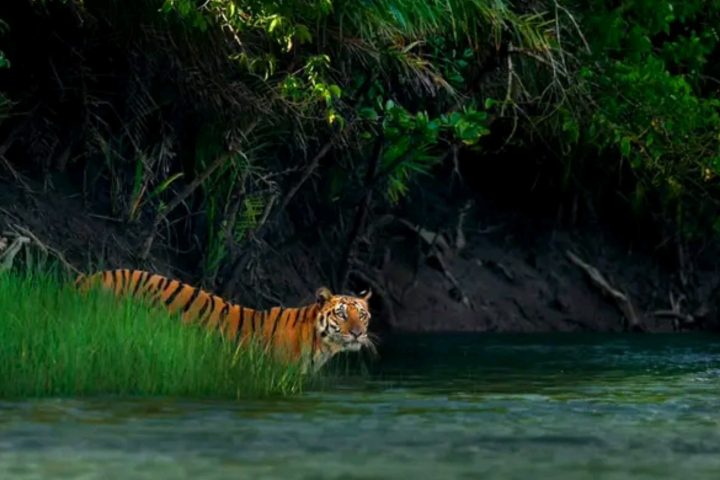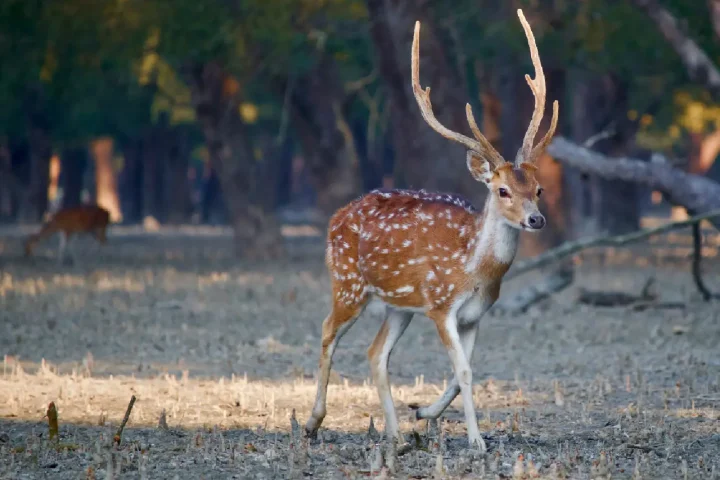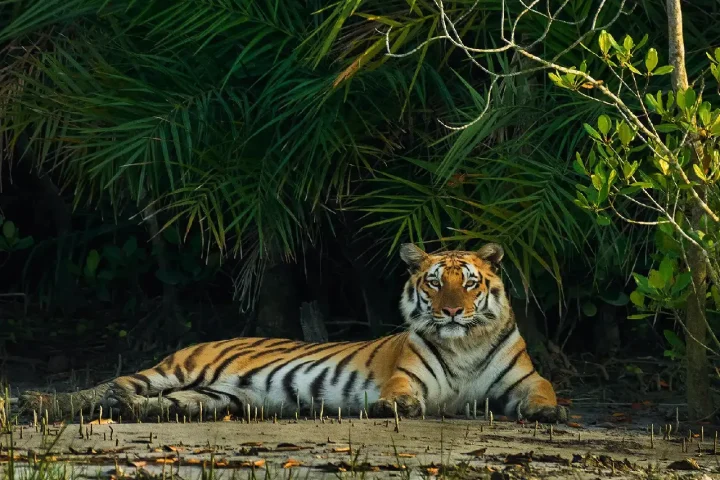
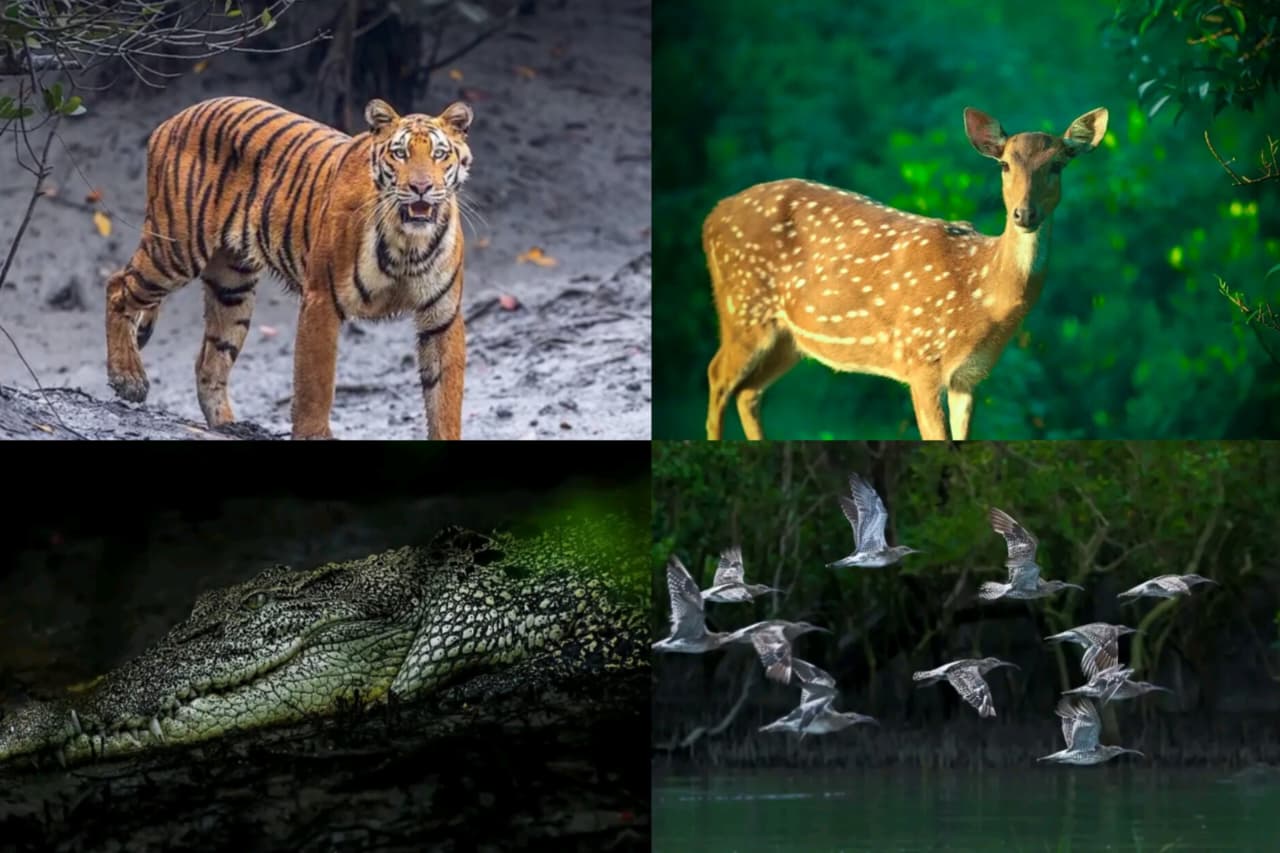
The Sundarbans, which is the biggest mangrove forest in the world, is a natural wonder and a way of life for people in Bangladesh who live near the coast. It’s home to the famous Royal Bengal Tiger, migratory birds, and rare plants. People also fish, collect honey, and visit the area for ecotourism.
But rising sea levels, illegal logging, and uncontrolled tourism have put the fragile mangrove environment at risk, which has hurt both biodiversity and people’s ability to make a living in the area. As a result, new programs are being created to balance environmental protection with business opportunities. These programs show how sustainable tourism can change towns while protecting the environment.
Saving mangroves and going on ecotourism
Protecting the Sundarbans means taking care of the mangroves. Now, programs run by NGOs, the government, and local communities focus on planting trees, patrolling against logging, and keeping an eye on wildlife numbers.
As part of these attempts, sustainable tourism is being added. Eco-lodges, educational programs, and guided boat tours are all safe ways for tourists to experience the forest. Local groups are more likely to protect mangrove resources than to use them for their own benefit when they can make money from tourism.
Opportunities for local communities to make a living
Traditional ways of making a living, like fishing, collecting honey, and small-scale farming, have been hard to do because of the overuse of resources and damage to the environment. Sustainable tourism projects have opened up new ways to make money, such as:
Community-led tours: trips to see wildlife and birds are led by trained local guides.
Homestays and eco-lodges are places where families take in tourists and make extra money while keeping the culture alive.
Problems and Possible Future Paths
Despite improvement, there are still problems. Rising sea levels, storms, and illegal logging all put mangroves and people’s ways of making a living at risk. It is very important to keep the balance between the number of visitors and the health of the environment, and policymakers must back up community-based conservation.
People who want to learn more about how to live sustainably in areas that aren’t stable can look into how ecotourism helps rural communities make money and protects biodiversity, focusing on examples that can be used in Bangladesh and South Asia.
In conclusion
Conservation and economic growth don’t have to be at odds with each other, as shown by projects in the Sundarbans. Bangladesh is working to make ecosystems and ways of life more resilient by encouraging sustainable tourism, involving local people, and protecting mangrove forests.
It’s not only important for the environment to save the mangroves; it’s also a plan for bringing together culture, business, and biodiversity in one of the world’s most fragile and famous areas.
FAQs
Why is it important to protect mangroves in the Sundarbans?
Mangroves protect against storms, help wildlife, and keep local jobs like fishing and collecting honey going.
How does tourism help the places where it happens?
Sustainable tourism brings in money through homestays, guided trips, and sales of handmade goods, which cuts down on the need to exploit natural resources.
What are the dangers to the people who live in the Sundarbans?
The ecosystem and local economies are at risk because of things like rising sea levels, illegal logging, overfishing, and tourism that isn’t controlled.
How can tourists make a positive difference?
Tourists help protect mangroves and bring in more money for the community by taking eco-friendly tours, being kind to wildlife, and shopping at local stores.
Are there any government programs that help protect the Sundarbans?
Yes. Along with NGOs and foreign groups, Bangladesh’s Forest Department runs programs to replant mangroves, stop poaching, and get people involved in their communities.
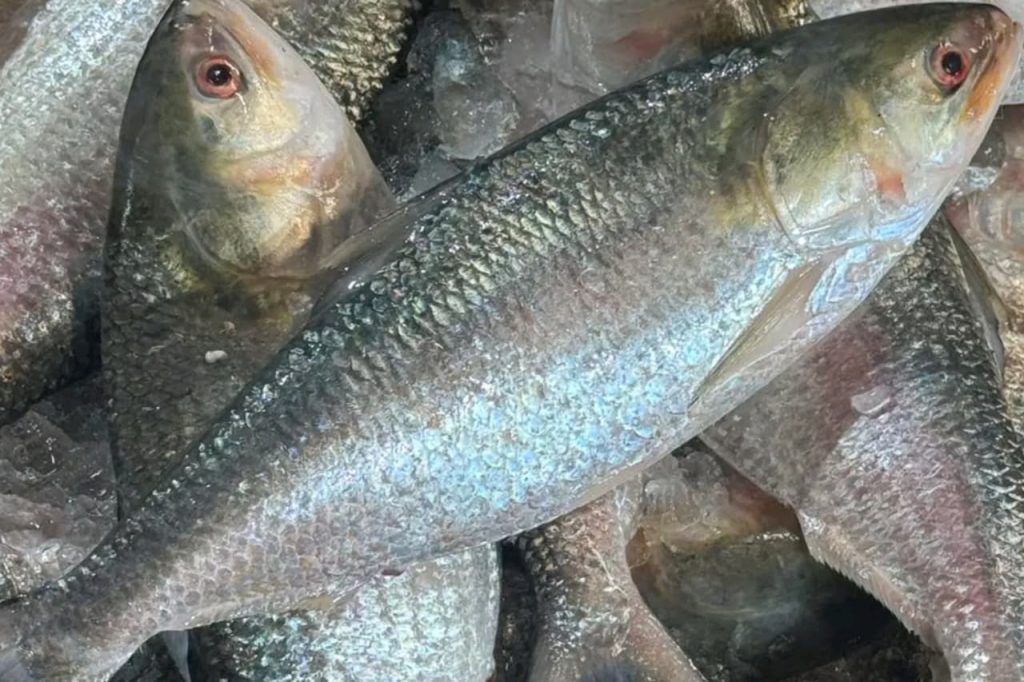
Read Also: Why Hilsa Prices Are Rising: Climate Change, River Ecology, and Bangladesh’s Most Loved Fish