
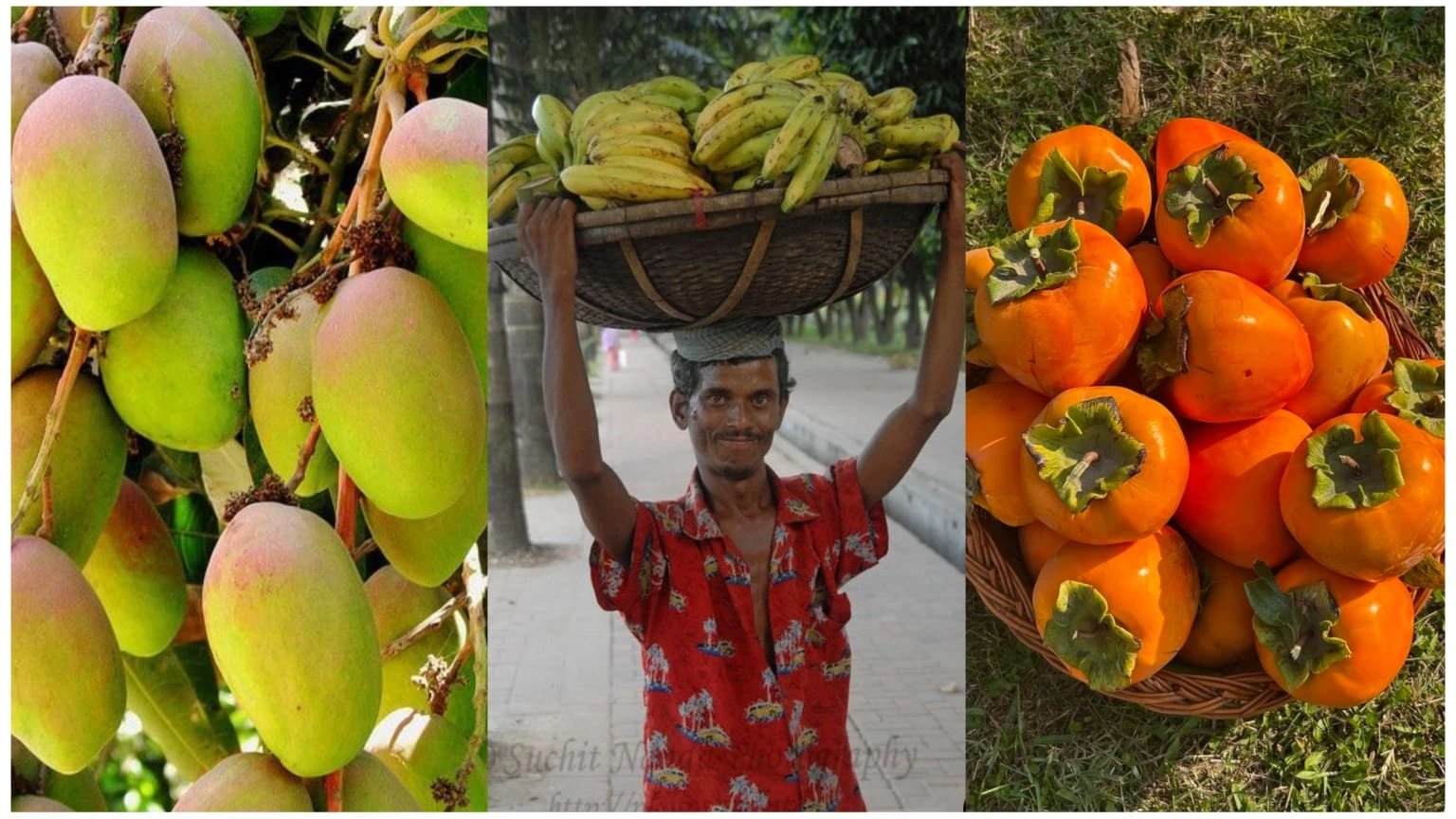
Walk into a fruit shop in Dhaka or Chattogram today, and the shelves look very different from 16 years ago. Kiwis from New Zealand, avocados, imported grapes and apples now sit beside mangoes and bananas. Fruit imports have jumped 22-fold over 16 years, and changing shopper habits are leading the shift.
Why Bangladeshis Are Buying More Imported Fruit
Rising incomes and stronger health awareness are the main drivers. Food and Agriculture Organisation data shows that fruit consumption in the country has roughly doubled in the past decade. Local orchards have grown too, but they still cannot cover the full demand. Importers say only about 40 per cent of the country’s fruit needs are met at home.
Kiwis, Avocados, and Global Varieties Enter the Market
Bangladesh now brings in 38 fruit varieties from 22 countries, according to trade body figures. Suppliers include India, China, Thailand, Egypt, Brazil, South Africa and New Zealand. Fruits once seen only in upscale supermarkets, such as avocados and dragon fruit, are now easier to find. Some local farmers have started growing them, and avocado is proving viable in parts of the country.
Import Volumes Keep Climbing
Data from the Plant Quarantine Station at Chattogram Port shows imports reached 558,020 tonnes in the first seven months of fiscal year 2025-26. In the same period a year earlier, the figure was 221,327 tonnes. That is more than double in a single year.
High Duties Keep Prices Steep
More fruit has not meant cheaper fruit. Total duties and taxes on imports rose from 89.32 per cent in fiscal year 2021-22 to about 116 per cent in recent years. Traders blame these costs for high prices, while consumer groups point to weak market oversight. Before Ramadan, retail prices climbed by Tk 50 to Tk 150 compared with earlier levels, keeping many popular fruits out of reach for low- and middle-income families.
What Comes Next
The government is encouraging farmers to grow more exotic fruits to cut the annual cost of imports. If local avocado, dragon fruit and guava output keeps rising, the market may become less dependent on foreign supply. For now, Bangladeshi shoppers keep reaching for global flavours, and the import bill keeps growing with them.